Why Embroidery Is Becoming Popular Again in 2026 – Bordado Revival, DIY Tips, Sustainable Fashion & Creative Income
Why Embroidery Is Becoming Popular Again in 2026 — Bordado Revival
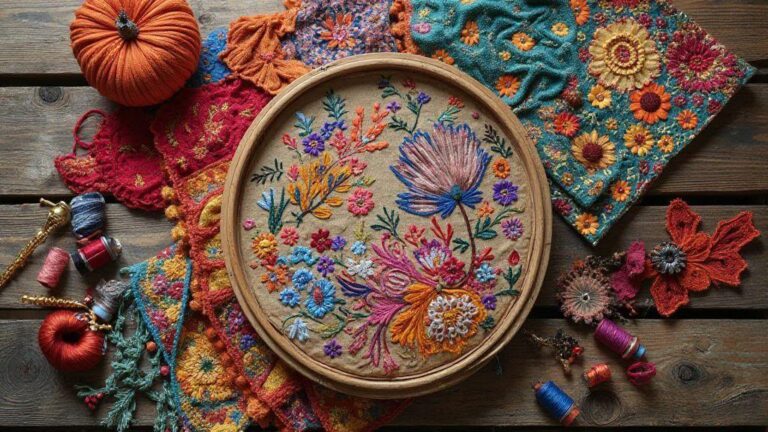
Embroidery turns simple fabric into something personal. It’s everywhere now—from thrifted jackets to home decor—and in 2026 bordado is more than a craft; it’s a way to tell stories with stitches. Patterns drawn from around the world, such as free folk-art embroidery patterns inspired by world traditions, echo this.
Embroidery pops up in stores, on social feeds, and at maker markets. The digital dimension has inspired some to print directly onto fabric for embroidery and translate designs into stitches. People want slow, thoughtful work over fast fashion. Beginners trade tips and gradually tackle more complex designs. It’s a hobby you grow with, and that growth shows in chats and online patterns. The trend is about choosing a handmade moment over mass-produced pieces.
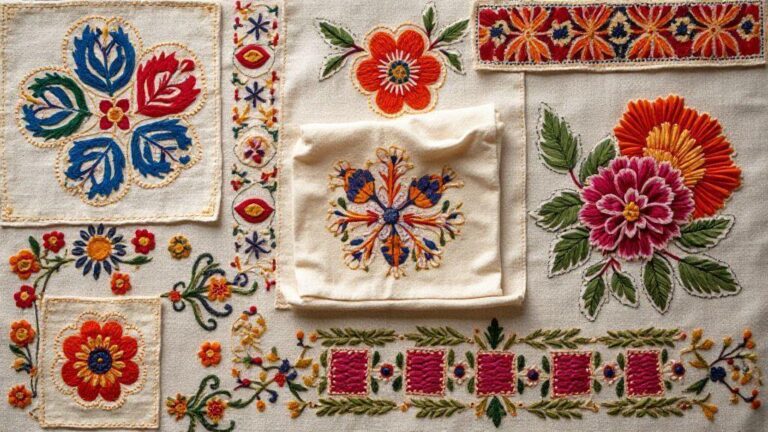
The craft also serves as a bridge between cultures. Different stitches tell different stories, and bordado connects generations—grandmothers teaching grandkids, peers swapping tips, artists remixing traditions with contemporary flair. It’s a shared language that fits our digital world while preserving a human touch. From Mexican Otomi embroidery history, symbols and how to get started to Palestinian tatreez cross-stitch as a language of resistance and identity, the conversation grows richer with every stitch.
How I notice embroidery trends 2026
Embroidery has shifted from quiet hobby to conversation starter. More people pick up a hoop for a quick, calming break between meetings. Tiny designs on backpacks and denim grab attention without shouting. The trend favors accessible projects: simple patterns, bright colors, and clear tutorials, welcoming beginners and challenging seasoned stitchers. Foundational steps like the running stitch remain essential.
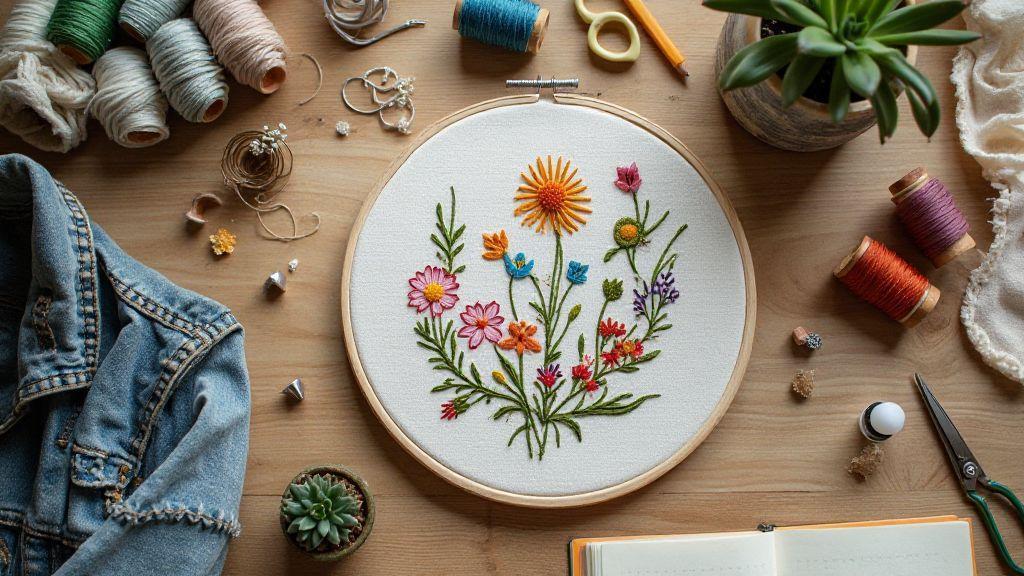
Social feeds overflow with progress posts—work-in-progress shots, step-by-step reels, and finished pieces that feel polished yet handmade. Mixed-media work—fabric patches on jackets, hand-stitched patches on hats, and embroidered lettering on totes—adds immediate visual payoff and motivates more people to start stitching. For practical inspiration on upgrading a denim piece, you can explore DIY embroidered denim jacket: a step-by-step customization guide.
On the technical side, tools have democratized access. Cheaper hoops, beginner-friendly machines, and abundant online tutorials make it easy to start. People are experimenting with threads from cotton to metallics, adding texture and shine and keeping the craft fresh. When you want to transfer designs cleanly, consider the lightbox method tracing patterns onto fabric like a pro for accuracy and speed.
Cultural reasons behind the bordado revival 2026
Cultural pride fuels the trend. Families pass down motifs and stories, turning heirloom techniques into everyday wear or home decor. Bordado becomes a living archive, not just a relic from the past. It’s powerful to see younger makers claim these motifs and reinterpret them for contemporary life.
Sustainability also drives the revival. Slow fashion matters, and embroidery fits that mindset. Rather than discarding a worn item, you can mend or embellish it with a new design, giving clothes a second life. The practice is mindful: selecting colors, planning patterns, and taking time to stitch. Readers who want guidance on fabric choices can look to resources like the best fabrics for hand embroidery and which ones to avoid.
Community matters too. Online groups, local workshops, and market stalls create networks where ideas spread quickly. People share templates, swap scraps, and cheer each other’s progress. Bordado becomes collaboration, storytelling, and learning together. To connect with hands-on instruction, many find beginner-friendly projects, such as Your first embroidery hoop: a complete beginner project with photos, especially helpful.
Why Embroidery Is Becoming Popular Again in 2026
The revival is powered by sustainable style, cultural storytelling, and community learning. It’s not merely nostalgia; it’s a practical way to add handmade value in a digital age. As makers share work online, the movement grows more inclusive and inviting.
How I Start with DIY Embroidery in 2026
Diving back into embroidery is easier than you might think. Start with a simple hoop, smooth fabric, and a handful of threads. Aim for cozy, small projects you can finish at night while listening to a podcast. Using what you already have helps avoid waste and keeps the practice approachable.
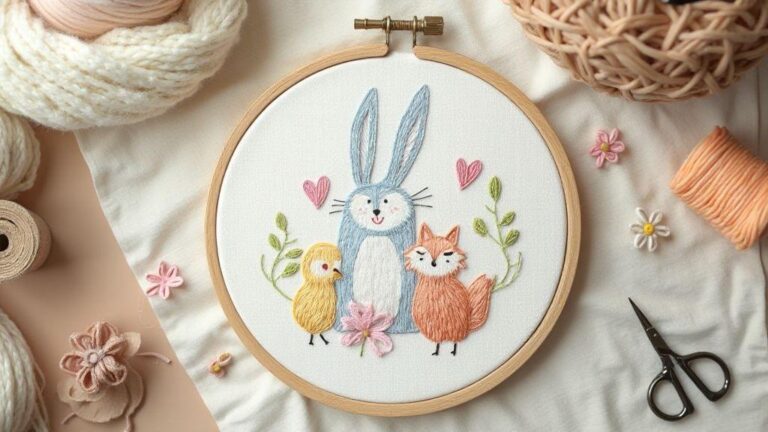
Choose designs that spoke to you, like cute animals or simple quotes. Keep a small notebook for sketches and stitch plans to stay focused. Progress comes quickly: a few stitches reveal a shape, which motivates you to keep going. A dedicated, tidy stitching space helps you pick up where you left off.
Over time, you’ll build a compact starter kit that travels well. The goal isn’t perfection; it’s consistency. A steady pace makes finishing projects feel rewarding and keeps embroidery a calm, portable ritual. For a beginner project, consider starting with Your first embroidery hoop: a complete beginner project with photos.
DIY embroidery tips 2026 I actually use
Start with simple stitches to build confidence. Outline a shape with a basic backstitch, then fill with satin stitch for a clean look. Use a light touch to avoid puckering, and rest your hand in short sessions to reduce mistakes. Plan color order to minimize thread changes, saving time and money. If a thread breaks, re-thread, re-pin the fabric, and keep going. For techniques, lean on practical guides like satin-stitch-tutorial: filling shapes smoothly without gaps.
Use practical tools: a sturdy hoop, a sharp needle, and good lighting. Don’t overbuy—upgrade only when you truly need it. This keeps you moving forward rather than getting stuck chasing the perfect setup. For beginners looking to pattern their designs, exploring how-to-convert-a-coloring-page-into-an-embroidery-template can be helpful.
Simple stitches and projects for beginners
Begin with the basic backstitch to outline shapes, then fill with satin stitch for a smooth area. Add a simple running stitch for tiny accents or rustic texture.
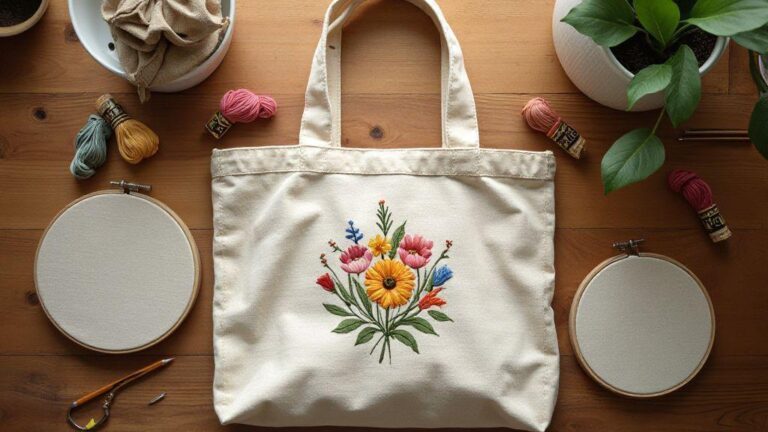
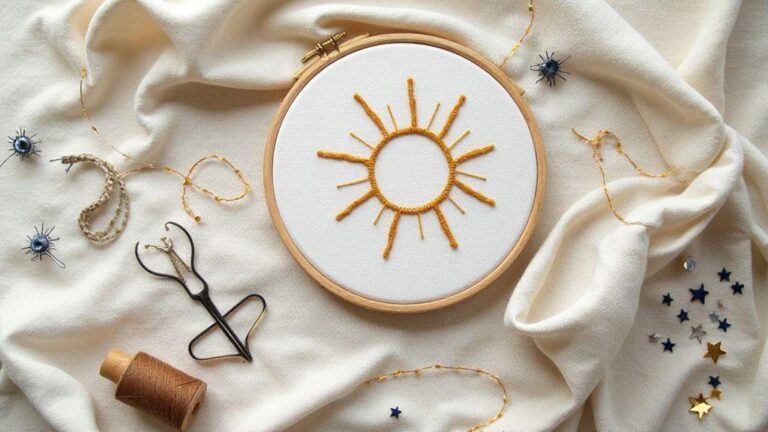
For first projects, choose small, doable items like a mini hoop with a smiling sun or a leaf on a tote. Limit your color palette to keep things cohesive and finish quickly to feel that win and stay motivated. If you’re unsure where to start, a collection of free botanical line art patterns perfect for hoop art can spark ideas.
Beginner kit checklist
- Compact starter hoop
- A few needles
- Embroidery floss in a small color range
- Scissors
- Practice fabric
- Water brush or small spray bottle to keep fabric taut
- Tiny notebook for ideas and a simple pattern
I Choose Sustainable Embroidery Fashion
I prefer embroidery that respects people and the planet. Clothes that tell a story without harming the world. When selecting materials and methods, I consider the people who stitched them and where threads come from. Sustainable embroidery feels honest—a small piece of art made with care.
My approach is simple: slow down, buy fewer-but-better pieces, and support makers who share transparent practices. I look for durable fabrics, responsibly sourced threads, and sturdy tools. If the sourcing isn’t traceable, I skip it. The aim is embroidery that ages well and minimizes waste.
I also like to share what I learn. If someone asks where a piece came from, I tell the full story—the craft, the social and environmental impact. Embroidery can be kind and stylish, and I write about slow, mindful choices to inspire others. For practical material guides, see the sections on sustainable materials above.
Sustainable embroidery fashion materials I trust
I favor fabrics with clear sourcing and longevity: organic cotton, linen, and recycled or upcycled textiles. For threads, I choose low-impact dyed floss and skeins from responsible mills, and I value brands that publish supply chain details. Stabilizers and dyes should be eco-friendly and non-toxic. Readers curious about fabric options can explore the best fabrics for hand embroidery and which ones to avoid.
Sustainability extends to tools too. Reusable or recyclable hoops, needles, and stabilizers help reduce waste. For machine embroidery, I select eco-friendly threads and durable components that last.
How hand embroidery joins the slow fashion movement
Hand embroidery pairs well with slow fashion because it requires time and care. Deliberate stitches can endure for decades when treated well. The slower pace reduces waste and promotes longevity. Hand embroidery also supports repair and refresh, extending a garment’s life with small but meaningful details.
Joining a community of makers who value craft over speed reinforces this ethos. Sharing patterns, tips, and thrift-store finds shows that art can grow from patience rather than impulse. For practical transfer techniques, many stitchers use transfer paper; you can learn more about this approach in how to use transfer paper for embroidery step-by-step.
Eco-friendly embroidery materials 2026 list
- Natural fibers like organic cotton, linen, and recycled materials
- Low-impact dyed threads and plant-based floss
- Reusable or compostable stabilizers and water-based dyes
- Brands with transparent supply chains and repair programs
How It Turn Embroidery Into Creative Income in 2026
Embroidery isn’t just craft; it’s a real income opportunity when approached like a small business. In 2026, start with what you enjoy making, test ideas with a few trusted buyers, and turn stitches into products people want to buy. Balance artistry with practicality, keep processes efficient, and align with market trends.
Set realistic expectations: blend hobby joy with steady steps, batch tasks (hooping, threading, finishing) to save time, and track costs and prices to avoid underpricing or overpricing. The goal is a growing line of embroidered goods that feel personal yet are designed to sell. Listen to customers to refine designs, colors, and sizes, turning a hobby into sustainable creative income. A practical starting point is to define a small catalog of core designs with limited colors for predictable costs and to test designs with a tiny audience before taking orders. See how others approach this in [The Running Stitch] and related patterns for beginners, such as your first embroidery hoop project.
Embroidery as creative income 2026 steps I followed
- Define a small catalog of core designs with limited colors for predictable costs.
- Test designs with a tiny audience before taking orders.
- Build a simple online presence with clear photos, design stories, and straightforward pricing.
- Start with shipping that’s easy to manage; standard sizes and a fair return policy.
- Scale by adding a few designs monthly based on sales and feedback.
- Bundle products to raise average order value and monitor material costs and production time to adjust pricing.
- Stay curious, test quickly, and listen to buyers to keep embroidery profitable and joyful. To brainstorm pattern ideas, you might explore how to create a repeat pattern for borders and edges.
Sell embroidered products online tips I use to grow sales
- Tell a story on product pages and use clear, close-up photos showing texture and scale.
- Provide practical descriptions: materials, care, sizing, and delivery times.
- Maintain consistent posting, new designs, and reliable shipping.
- Build community through local markets and maker collaborations; use feedback to grow.
- Use gentle promotions like limited editions or colorways to test demand.
- Optimize for search and social with natural keyword use in titles and descriptions.
Online selling checklist for embroidered goods
- Clear product photos with close-ups and scale
- Honest, concise product descriptions (materials, care, sizing)
- Fair pricing that covers costs and time
- Easy checkout and clear shipping/returns policy
- Consistent posting schedule and new designs
- Customer feedback loop for improvements
- Basic SEO: natural keyword use in titles and descriptions
- Reliable packaging and timely shipping
- Simple bundles or add-ons to raise value
I Use Modern Embroidery Techniques for Beginners
I love techniques that feel fresh but stay approachable. Modern methods help fix mistakes quickly, experiment with textures, and keep projects enjoyable rather than frustrating.
I use beginner-friendly tools and notice small changes—like a sharper needle or smoother fabric—make every stitch behave better. A compact kit near my workspace saves time hunting for tools, and progress comes from steady, repeatable steps.
I also keep notes in a notebook or a phone. Recording what stitches I tried, what worked, and what didn’t helps future projects start faster.
Modern embroidery techniques for beginners I recommend
- Start with split stitching and satin stitch for solid, clean lines. Practice on scrap fabric first, and for a smooth fill, see the satin stitch tutorial.
- Add tiny texture with french knots or variations for subtle detail.
- Outline shapes with backstitch and fill later with satin to keep designs crisp and reversible if needed. If you want more on pattern transfer, check how to use transfer paper for embroidery step-by-step.
Digital patterns, apps, and tools that speed my work
Digital patterns let me preview designs and resize easily. I print or trace templates onto fabric to keep lines straight, and I use simple color-mapping apps to track thread changes.
Tools I rely on: a fabric-safe tracing pen, a bright magnifier for tiny details, and a small cutting mat. My phone serves as a quick color-code and stitch-name reference, keeping the process smooth and scalable. For tracing, many prefer the Lightbox method tracing patterns onto fabric like a pro.
Tool shortlist for modern embroidery
- Sharp embroidery scissors
- Lightweight hoop
- Fabric-friendly marking tool
- A simple needle and a small range of thread colors
- Erasable pens for design transfer
- A small needle threader
- A beginner project like Your first embroidery hoop: a complete beginner project with photos
I Join Community Bordado Workshops and Classes
Community bordado workshops and classes push me to try new stitches in a supportive setting. Watching someone demonstrate a tricky stitch up close helps more than long YouTube sessions, and real-time feedback improves tension and color choices. The environment fosters habit-building and new project ideas I can try at home.
Over time, the learning curve smooths: I gain consistency, plan projects from start to finish, and expand my stitch toolkit. The sense of belonging to a creative community keeps me motivated long after the class ends.
How community bordado workshops and classes boost my skills
- Regular practice with others provides instant feedback on tension and placement.
- Pattern-reading and project planning become clearer through demonstrations.
- The community sparks ideas for new pieces, like stitched banners or patches from doodles. For a beginner-friendly entry into projects, start with beginner-friendly projects, and then progress to more complex stitches.
Where I find local and online classes for practice
I balance local in-person classes with online options. Local studios offer hands-on guidance and peer feedback, while online sessions fit tight schedules and often focus on one technique. Look for beginner-friendly projects first, then gradually introduce more complex stitches. To find classes, check community centers, craft stores, and embroidery guilds. Online platforms with live workshops or video libraries are great for practice, especially on rainy days. Read reviews and match lesson pace to your level, aiming for practice pieces you can show in the next session or include in a small portfolio. Look for local options and online tutorials that cover basics like the lightbox method tracing patterns onto fabric like a pro.
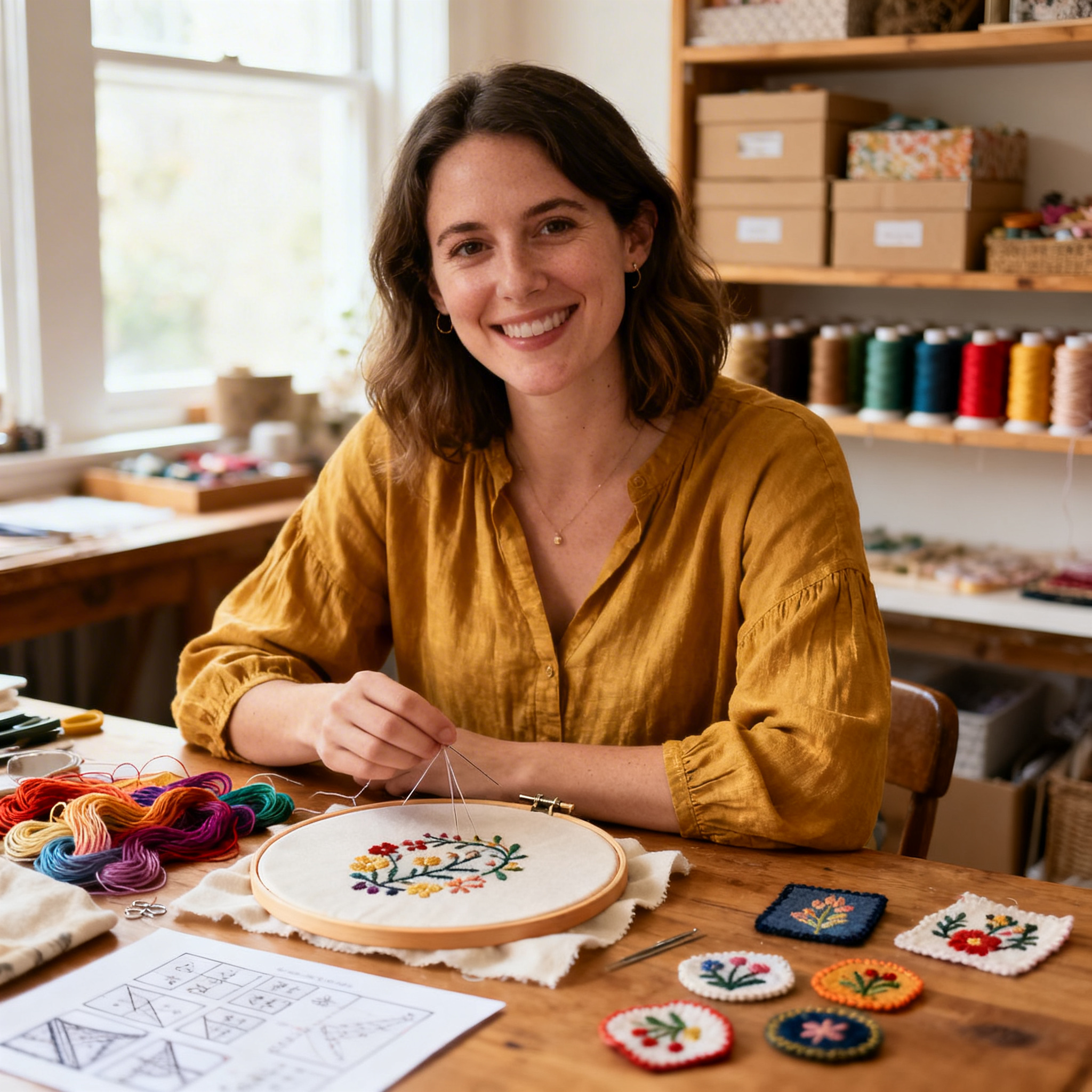
I’m Sophie Caldwell, the author behind granaboom.com, and I believe hand embroidery is one of the simplest, most relaxing ways to create something beautiful with your own hands. I started this blog to help beginners learn hand embroidery without feeling overwhelmed by complicated instructions or “perfect” results.
Here you’ll find beginner-friendly guides to decorative embroidery stitches, along with clear step-by-step practice ideas and patterns you can use to build confidence. My focus is on making the learning process easy: simple explanations, helpful stitch combinations, and small projects that look polished even when you’re just starting out.
Welcome to granaboom.com—grab your hoop, choose a few colors, and let’s stitch one line at a time.