Vintage Embroidery Trends Making a Comeback in Bordado — Heirloom Stitches Reimagined for Modern Fashion and Home
Origins that drove Vintage Embroidery Trends Making a Comeback
Vintage Embroidery Trends Making a Comeback didn’t spring from nothing. It grows from how people reconnect with the past and with tangible crafts. Flipping through old samplers and faded catalogs reveals a story in the stitches—care, patience, a slow pace that honors the maker. Those pieces aren’t just pretty threads; they are memories of daily life and family lore. Nostalgia invites us to slow down and learn from what came before.
The revival isn’t about copying designs. It’s about understanding the spirit behind the stitches: origins, teachers, and color choices. Crafters want to blend past with present—honoring handcraft while making it useful for modern wardrobes and homes. That balance keeps Vintage Embroidery Trends Making a Comeback feeling fresh.
There’s a shift toward shared learning. Museums, libraries, and online communities host open stitches and old pattern books, letting beginners peek at heirlooms fearlessly. This openness makes Vintage Embroidery Trends Making a Comeback sustainable: it invites new makers to start their own chapter, not recreate a museum piece in a day.
Bordado heirloom stitches in museums and archives
Stitched heirlooms in quiet museum rooms stay with me. The threads may be brittle, but the stories are strong. Heirloom stitches carry family histories, regional voices, and political moments tucked into tiny grids and flourishes. A sampler isn’t just a pretty border; it’s a map of the maker’s life and trusted tools. That context commands respect for each stitch.
In archives, stitch types travel with people. A pattern from a coastal town may reappear in a city dress by an immigrant maker, adapted with new materials or colors. These crossovers show embroidery moving and mutating, shaped by need and imagination. It’s a conversation across generations, each era adding emphasis while honoring the thread before. That’s the heartbeat of the revival: respect for origin while letting it live in today’s hands.
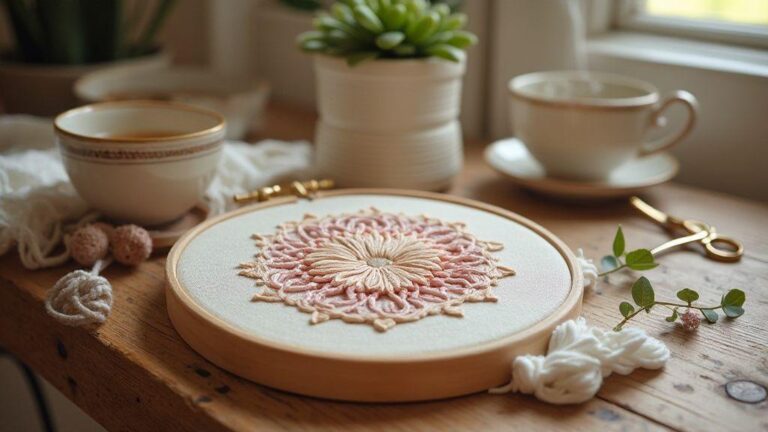
Museum displays also inspire beginners. Seeing a tiny cross-stitch chart beside a dress corner helps grasp scale, tension, and technique in a way no how-to book can. Objects become mentors, showing not just how to stitch but why it mattered long ago. Embroidered wall art framing your hoop like a pro offers a perspective on how stitched works can command space.
Traditional stitch revival across regions
The revival isn’t uniform. Across regions, traditional stitches reappear with local twists—like a chorus where each voice adds color. In some places bold geometric motifs lead; elsewhere delicate floral borders anchor a community’s identity. This regional revival is less about copying and more about listening to what a place’s culture wants to say through thread.
Materials shape the revival as much as technique. In one region, cotton on linen yields a crisp line; in another, wool on wool adds texture that modern threads can’t replicate. The result is a patchwork of styles that feels both old and new. A wall hanging from one town beside a garment from another shows embroidery as a conversation—local voices echoing through time, each adding its signature.
Communities teach younger makers through local workshops, elder-led gatherings, and school programs. It’s not only about stitches; it’s about passing on a sense of place, pride, and craft tradition from one generation to the next. This regional flavor also finds echoes in Japanese-inspired methods, with sashiko-inspired denim designs that reimagine traditional patterns for today’s wardrobes.
Timeline of key stitch developments
The timeline traces technique evolution: simple surface stitches for speed and durability, then richer textures and fretted outlines as tools and dyes improve. Each milestone reveals why a stitch mattered in its moment and why it still matters. From basic running stitches to satin and back to modern variants, embroidery never sits still.
This map helps teach newbies: start with early, reliable stitches, then add texture and color as confidence grows. It mirrors how embroiderers historically learned—stitch by stitch. Designers today reinterpret tradition by blending stitches with machine embroidery or digital patterns, creating hybrids that honor the past while fitting today’s needs. Vintage Embroidery Trends Making a Comeback remains a living dialogue, not a relic.
Core heirloom stitches and modern variants
Core stitches like back stitch, satin stitch, and running stitch form a solid foundation. I outline with back stitch, fill with satin or split stitches for depth, and layer variations for texture to give a modern edge while keeping an heirloom feel. Pairing a familiar stitch with a new thread or palette makes timeless pieces feel fresh.
Decorative stitches—chain, fly, blanket—carry long lines or curves that suit vintage collars or contemporary totes. I mix bold chain stitches with beads or metallic threads to blend past and present. The trick is balance: let the stitch carry structure, then add textures or color to update the look.
I keep a notebook of stitch tests—how satin behaves on linen vs cotton, or how back stitch edges curved lines. The goal is to predict fabric bias and thread behavior so the final piece is durable and beautiful. Treat heirloom stitches as a toolkit, not rules, to create pieces meaningful today and destined to become keepsakes.
Common hand-stitched detailing like French knot
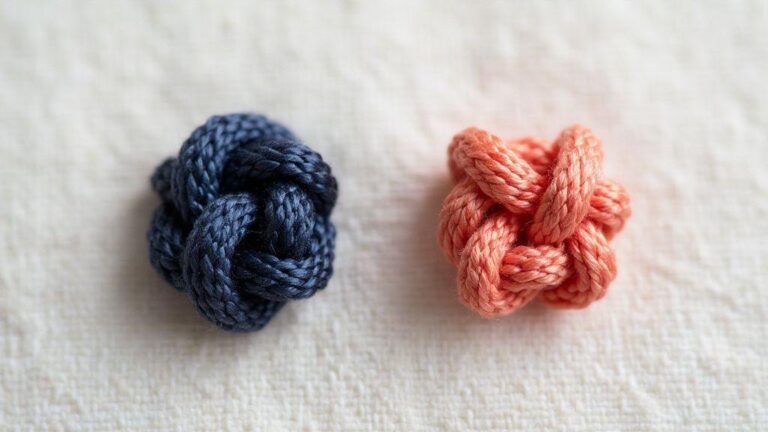
French knots provide tiny pops of color, like beads with less weight. Wrap the thread around the needle, pull through, and anchor with a small base stitch so the knot sits neatly. On dark fabric, a bright knot reads as a spark; on light fabric, as tiny stars.
Knots can simulate seeds in floral work or add texture to geometric patterns. Pair several knots with satin fill to emphasize rounded forms, or cluster them to create a tactile ripple. Keep scale in mind: too many or too-large knots overwhelm a design. Test colors on scraps before final stitching.
French knots add subtle sheen in heirloom projects—detail that makes vintage techniques feel alive in modern work.
Contemporary embroidery techniques updating classics
To push classics forward without losing their soul, I explore freeform shading with long and short stitches to create ambient light and depth. A restrained color palette helps the stitches bleed into one another for a painterly look.
I also combine hand embroidery with machine outlines or metallic threads. Machine outlines keep shapes crisp; hand stitches restore warmth and irregular charm. Perlé thread cobwebs create delicate textures that still endure wear.
Sustainability matters too: repurposed fabrics and natural fibers shift the context. A vintage handkerchief becomes fashion, worn denim gains new life. Updates aren’t about abandoning old rules, but telling new stories with trusted stitches.
Tools and threads I recommend
My compact kit includes a sharp embroidery needle, a few hoop sizes, and threads in cotton, linen, and silk. For vintage fabrics, cotton floss mid-weight plus metallics adds a subtle sparkle. Short, even stitches for outlines; longer fills for softness. Test threads on scraps to see behavior under the needle and how they catch light.
A small pair of snips, a chalk pencil for marking, and a fine stitch marker for mapping stitches help keep focus on stitch choice and color.
Vintage Embroidery Trends Making a Comeback benefit from good tools; with the right kit, updating classics feels natural, like reworking a favorite recipe. For a quick comparison of thread types, see the guide on embroidery floss, perle cotton, and wool thread.
How I pair Vintage Embroidery Trends Making a Comeback with modern fashion
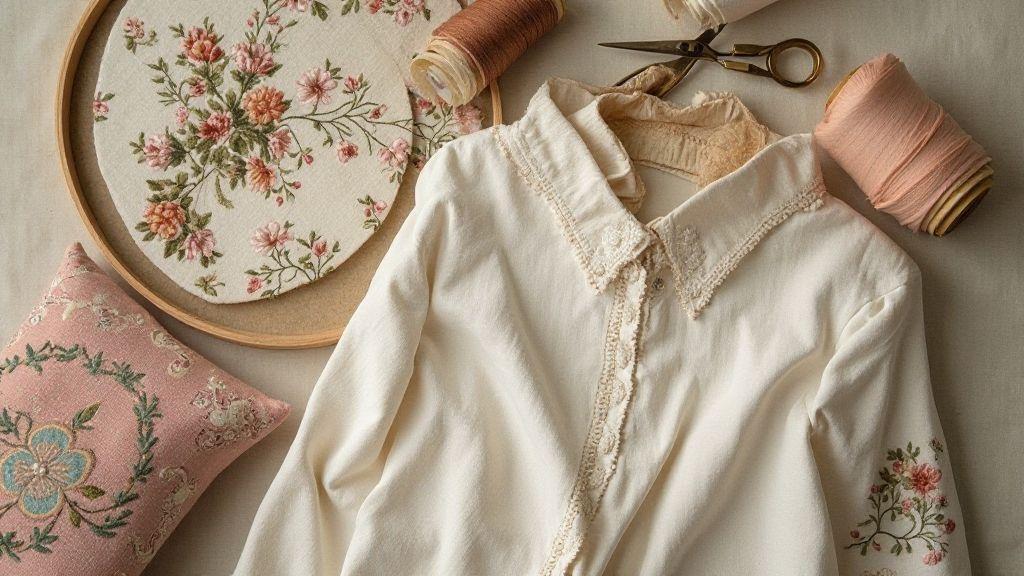
I mix classic stitches with current silhouettes, treating embroidery as texture, not a costume. Pair delicate florals on a bomber or a denim jacket, keeping the rest of the outfit minimal so embroidery shines.
If I borrow a stem stitch from a handkerchief, I echo it with small, understated stitches on a tote or hat. Balance is key—old techniques should feel intentional, not crowded. I test by pairing vintage motifs with plain bases so handiwork speaks without shouting.
Color matters like seasoning: subtle blue on cream feels timeless; bright pink on black makes a statement. Vintage Embroidery Trends Making a Comeback should enhance the outfit, not overpower it. Patterns stay modest on most pieces, with a single standout item per look.
Heirloom stitches reimagined on denim and outerwear
On denim or leather, a compact bouquet of stitches stays wearable. Place on the back shoulder or cuffs, scale small to keep casual mood. Use a single thread color to guide the design; pale gold or soft mint reads vintage without looking costumey. Dense stitches work on denim; surrounding negative space keeps it light. Placement matters—small motifs on hems or collars read modern and refined.
Reimagining with denim means textures over weight; stitches should move with the wearer. The look should be noticed as they move, not when standing still.
I also test placement as I would a new patch. A subtle motif on the hemline or near the collar reads modern and refined. For me, reimagining heirloom stitches on denim or outerwear is about giving a nod to the past while staying wearable today.
Modern fashion embroidery and slow style choices
Modern fashion favors slow fashion: quality, not quantity. Choose pieces with room to breathe; natural materials cradle the thread for longevity. A single story, like a pocket motif or seam detail, feels thoughtful in a fast-fashion world. If loved now, keep it; else repurpose threadwork into a scarf or bag.
Care is mindful: hand wash or delicate cycles, gentle drying, proper storage. Longevity beats trends. That mindset makes the craft steady and purposeful.
Styling tips for embroidered garments
Embroidered pieces act as centerpiece; pair with clean basics. A simple tee and jeans let embroidery shine; for jackets or vests, keep other items solid and minimal. Layer neutrals that pick up a thread from the embroidery to create harmony. Accessories stay subdued.
Mix textures: smooth cotton with textured stitches, matte denim with glossy thread. If embroidery sits on a collar or sleeve, ensure the detail is visible. One embroidered piece should carry the look; keep others understated.
Embroidered home decor using bordado heirloom stitches
Bordado heirloom stitches bring coziness and character to home decor. Each piece tells a story—from satin on a pillow to chain on a wall hanging. Choose stitches for durability and ease of repair. Start with plain fabric and build color echoing natural tones. Stitches add texture and personality, not mere lines.
Bordado isn’t decoration alone; it slows the hand. Heirloom stitches last and feel timeless. Running stitches create delicate borders; stem stitches add soft leaves for cushions. Plan for use: throws need sturdy finishes; wall art should lay flat; linens endure washing. Test stitches on scraps before committing.
Small projects for cushions, linens, and wall art
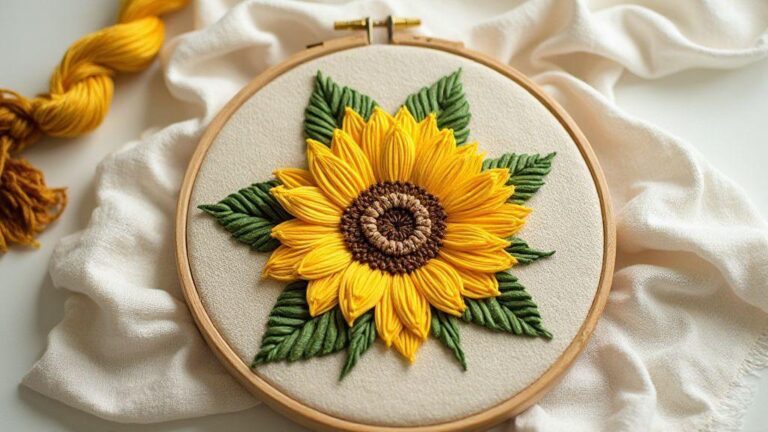
A few satin stitches on a plain cushion turn it into a statement. Start with a simple shape and expand gradually to manageable size. Secure edges to prevent fraying; bright threads or soft neutrals both work. Cushions feel personal, like daily life captured in fabric.
Linens are ideal for trying new stitches: test on a scrap, then transfer to a napkin or tea towel. A small motif can transform plain linen; keep the back tidy with neat threads. For wall art, use sturdier fabric and a simple border; add a sleeve or backing for hanging. For wall art nuances, consider techniques described in Embroidered wall art framing your hoop like a pro.
If you want quick wins, begin with a cushion or towel motif. A few staple stitches—satin, backstitch, chain stitch—cover most small designs and hold up well.
Care tips to keep handwork looking new
Treat handwork like a cherished item: wash on delicate with cold water, mild detergent. Dry flat; reshape while damp. Repair snags promptly with a thin needle.
Store pieces in breathable bags away from sunlight. Light fades thread color; moisture invites mildew. Rotate displays to rest pieces from sun. For cushions, fluff filling and resew borders occasionally. A light iron with a cloth helps set stitches.
Keep a small repair kit: needle, a few colors, seam ripper. If a knot loosens, hide it under nearby stitches. Regular attention prevents small issues from becoming big ones, keeping Vintage Embroidery Trends Making a Comeback fresh at home.
Fabric choices for long-lasting decor
Choose fabrics that support stitches and daily use. Heavier fabrics like cotton canvas and linen blends give strong support and resist puckering. Avoid very loose weaves for busy households. For a delicate look, pick tightly woven cotton or linen that still feels sturdy. Prewash to remove sizing and see behavior when wet.
Consider washing needs: fabrics that tolerate gentle washing suit cushions and linens; wall art may require dry-cleaning or spot cleaning. Match thread to fabric weight so the embroidery breathes. Test a patch before committing.
Final look: a crisp matte weave reads vintage; some texture adds depth. Start with midweight cotton or linen if unsure.
Why sustainable slow fashion embroidery matters
I practice slow, deliberate embroidery; patience reveals tiny imperfections that give character. Sustainable slow fashion matters because it reduces waste, supports small studios, and preserves traditional skills. Each stitch is care for people and planet. Durable, handmade pieces replace fast, disposable fashion. This mindset shifts how we wear clothes, turning a wardrobe into a story collection.
Embroidery can extend a garment’s life; repair snagged threads with care, upcycle stains into design details. A hand-stitched hem or patched motif shows value in time, skill, and care. This approach nudges brands toward transparency and responsibility. Sustainable slow fashion isn’t deprivation; it’s choosing quality and honoring the work behind every thread.
I’ve learned that communities grow when we share techniques and swap materials. The more I invest in natural dyes, thread types, and fabric provenance, the better my pieces become. It’s not just about winning a design award; it’s about feeling connected to a broader movement that keeps craft alive. When I wear something embroidered with intention, I feel part of a conversation that respects workers, ecosystems, and future makers. That sense of belonging keeps me motivated to explore new stitches, test new fabrics, and keep the practice joyful rather than a grind.
Vintage Embroidery Trends Making a Comeback
Vintage embroidery trends are returning in thoughtful ways. Hand-stitched florals on jackets, retro geometric motifs on tote bags, and sashiko-inspired patterns on denim appear in my circle. The retro vibe isn’t about exact replication; it’s reinterpretation with modern materials and cleaner production. Recreating a vintage motif pays homage while proving relevance today. This revival pushes designers to source better threads and fabrics, boosting sustainability.
I mix old and new by repairing vintage finds and adding fresh embroidery. A faded denim jacket with a new pocket applique can look current again. Makers share tutorial threads and swap vintage notions, keeping techniques alive without flooding the market with disposable items. The goal is to honor craftsmanship, not mimic it blindly. Vintage Embroidery Trends Making a Comeback stays meaningful, not just a buzzword.
Repair and upcycle methods for vintage embroidery trends
When repairing vintage embroidery, examine damage closely. A loose stitch or torn seam is an opportunity to reinforce and refresh. Keep original stitches where they work; use new threads that mimic the old look. Upcycling with one new element per item keeps the piece vintage-inspired rather than overworked. Add a modern pocket, a contrasting colorway, or a small appliqué that nods to current trends while honoring the vintage underneath. It’s about balance: refresh without erasing history. Each upcycle teaches material limits and how to stabilize fabric for longer life.
Ethical sourcing for threads and fabrics
Ethical sourcing matters: choose suppliers with transparent farming or weaving practices and natural, low-impact dyes when possible. Ask about fiber origin, worker pay, and waste management. Certifications and clear statements build confidence that stitching respects people and the planet. Buy from small-batch producers or local studios when possible; it reduces emissions and supports communities. Collecting vintage threads and repurposing them also reduces new-resource use. Ethical sourcing isn’t a trend; it’s a habit shaping every studio choice.
Low waste approaches I follow
Plan stitches before cutting, use scraps for small motifs, and recycle fabric panels into patches. Label and store loose threads to avoid waste. Reuse linings or bindings from damaged garments when possible. Small swaps add up to less trash and more mindful practice.
H2 Easy DIY embroidery tutorials for beginners
Starting with basics, these tutorials show you how to thread, pierce fabric, and keep stitches even without stress. You’ll see small, simple projects you can finish in an afternoon. I’ve learned steady practice yields bold results, so these are reliable starting points that build confidence fast.
First, grab a hoop, a short length of floss, and a scrap of cotton. I’ll guide you through neat knotting, safe needle handling, and a basic backstitch to outline shapes. Casual, patient instruction with clear steps helps you end with a tiny design you’re proud of, not a tangled mess.
These tutorials aren’t about perfection on day one. They’re about momentum: small wins that lead to bigger projects. I’ll include tips to stretch thread, prevent fraying, and pick colors that pop. If you’ve never threaded a needle, the prompts are slow and simple so you can follow along easily. For a quick start, check out Cross-stitch basics to build confidence with a classic technique.
Step-by-step heirloom stitches reimagined projects
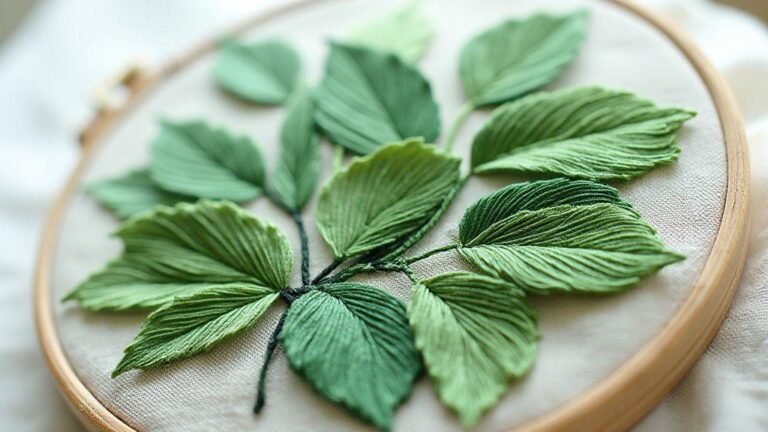
I love reimagining classic stitches with today’s fabrics, colors, and shapes. Picture satin stitches forming a bold leaf on a denim patch, or lazy daisies across a bright canvas bag. I’ll guide you step by step, keeping tension even and teaching how to balance the design. The goal is to honor traditional technique while making it feel fresh.
Begin with a simple sketch, map stitch placement, and explain why each stitch suits texture and depth. Compare a strict old-school method with a looser, contemporary vibe to decide your direction.
Finish with a completed piece that shows even stitches and confident color. If it feels fussy, scale back—the reimagined look should feel like you, not a museum piece. For a deeper look at realistic shading, explore the long-short stitch foundation: long-short stitch tutorial.
Resources: kits, online classes, and local groups
Keep a running list of practical resources: kits with curated fabric, thread, and patterns for beginners; note what’s in a starter kit, including the right hoop and design for practice.
Online classes offer bite-sized lessons, clear demonstrations, and communities for sharing progress. Short tasks fit busy schedules and help maintain motivation.
Local groups provide in-person support, swap days, and shared projects. Find a group, bring what you can, and maximize meetups to turn a hobby into a habit. For a structured pattern approach, see how to turn any photo into an embroidery pattern: how to turn any photo into an embroidery pattern.
Quick starter stitches to practice
Keep a short list of starter stitches: backstitch, running stitch, and satin stitch. Practice on plain scraps to build confidence. Each stitch serves a purpose: outlines, texture, and color blocks. Keep fabric taut, pull threads evenly, and steady your hands. A good starting point for quick gains is the running stitch: The Running Stitch.
[LINKS]: https://granaboom.com/free-folk-art-embroidery-patterns-inspired-by-world-traditions/
https://granaboom.com/the-history-of-english-needlework-from-tudor-courts-to-modern-makers/
https://granaboom.com/mountmellick-embroidery-the-irish-whitework-tradition-explained/
https://granaboom.com/indian-kantha-stitch-the-running-stitch-tradition-of-bengal/
https://granaboom.com/broderie-anglaise-how-to-embroider-the-iconic-eyelet-pattern/
https://granaboom.com/whitework-embroidery-techniques-broderie-anglaise-mountmellick-more/
https://granaboom.com/the-difference-between-embroidery-floss-perle-cotton-and-wool-thread/
https://granaboom.com/what-is-aida-cloth-and-when-should-you-use-it/
https://granaboom.com/what-is-hardanger-embroidery-a-complete-introduction/
https://granaboom.com/how-to-do-hardanger-embroidery-your-first-step-by-step-project/
https://granaboom.com/cross-stitch-basics-a-beginners-guide-to-the-iconic-x-stitch/
https://granaboom.com/how-to-create-realistic-leaves-with-long-short-stitch/
https://granaboom.com/embroidered-wall-art-framing-your-hoop-like-a-pro/
https://granaboom.com/how-to-embroider-a-classic-rose-3-different-methods-compared/
https://granaboom.com/long-short-stitch-tutorial-the-foundation-of-realistic-shading/
https://granaboom.com/the-running-stitch-the-first-stitch-every-embroiderer-should-master/
https://granaboom.com/how-to-turn-any-photo-into-an-embroidery-pattern/
https://granaboom.com/the-6-best-methods-to-transfer-embroidery-patterns-onto-fabric/
https://granaboom.com/how-to-print-directly-onto-fabric-for-embroidery/
https://granaboom.com/how-to-use-transfer-paper-for-embroidery-step-by-step/
https://granaboom.com/how-to-use-iron-on-transfer-pencils-for-embroidery-patterns/
https://granaboom.com/the-lightbox-method-tracing-patterns-onto-fabric-like-a-pro/
https://granaboom.com/tracing-vs-freehand-two-approaches-to-original-pattern-design/
https://granaboom.com/sashiko-on-denim-how-to-mend-and-beautify-your-jeans/
https://granaboom.com/what-is-sashiko-the-complete-beginners-guide-to-japanese-embroidery/
https://granaboom.com/modern-sashiko-contemporary-designers-reinventing-a-traditional-art/
https://granaboom.com/how-to-choose-sashiko-thread-and-fabric-for-authentic-results/
https://granaboom.com/sashiko-hoop-vs-no-hoop-which-is-better-for-this-technique/
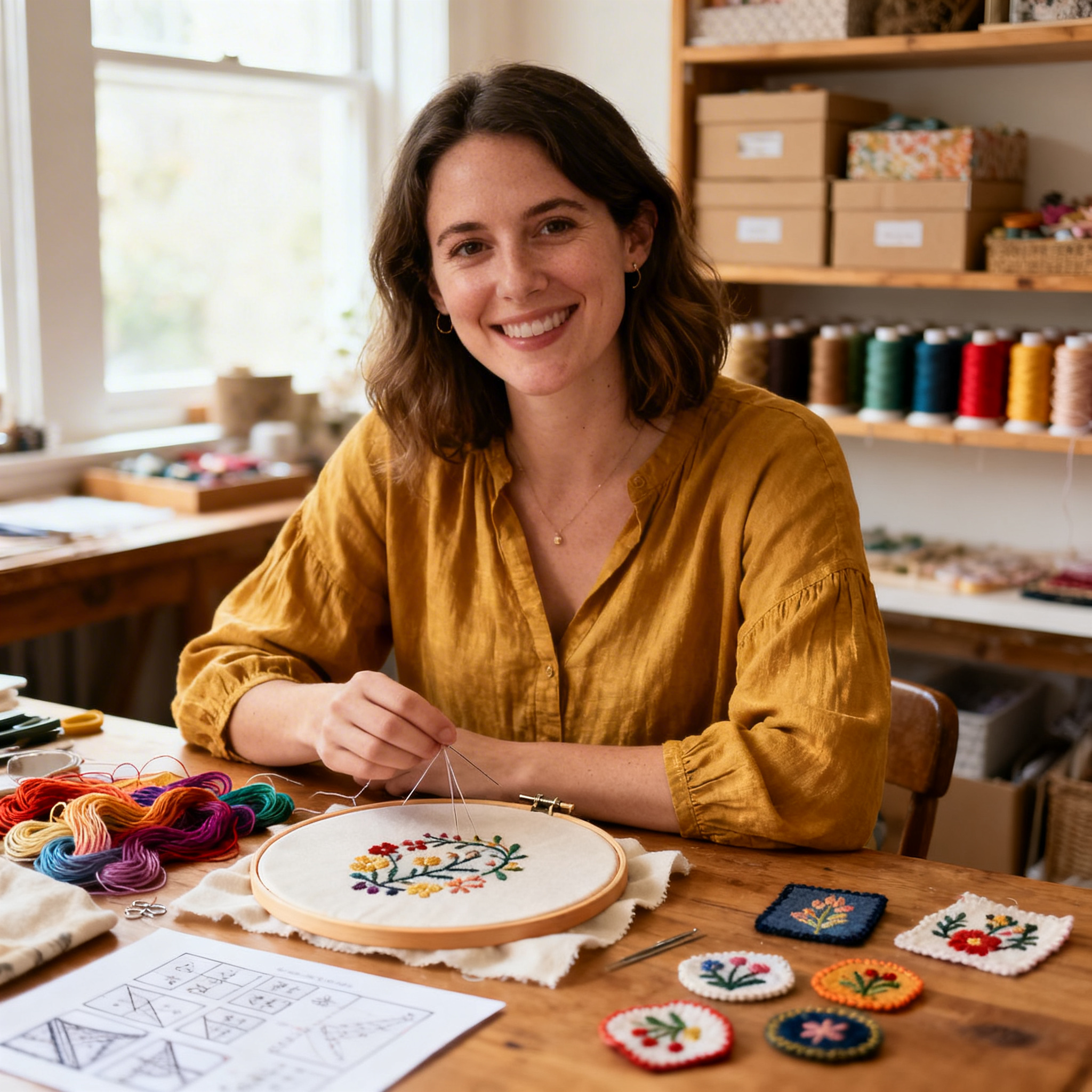
I’m Sophie Caldwell, the author behind granaboom.com, and I believe hand embroidery is one of the simplest, most relaxing ways to create something beautiful with your own hands. I started this blog to help beginners learn hand embroidery without feeling overwhelmed by complicated instructions or “perfect” results.
Here you’ll find beginner-friendly guides to decorative embroidery stitches, along with clear step-by-step practice ideas and patterns you can use to build confidence. My focus is on making the learning process easy: simple explanations, helpful stitch combinations, and small projects that look polished even when you’re just starting out.
Welcome to granaboom.com—grab your hoop, choose a few colors, and let’s stitch one line at a time.