Discover The Mental Health Benefits of Embroidery and Slow Crafting with Bordado for Calm Focus and Creative Healing
How I use bordado mindfulness
I stitch with a simple plan: breathe, count, and let the running stitch do the talking. Bordado mindfulness turns quiet moments into small wins, reflecting the philosophy behind sashiko-boro-wabi-sabi-and-slow-stitching. When I sit with thread and fabric, thoughts slow and my hands steady. It’s not about perfect stitches; it’s about showing up for the moment. Calmer days rise from finishing small motifs, and that feeling lingers.
My approach is practical and personal. I choose simple stitches I know well, so focus stays on rhythm rather than result. I keep my project nearby—on the couch, in a quiet corner, or during a short lunch break. Stitching becomes a signal to slow down: eyes soft, shoulders relaxed, mind present. When anxious, I reach for thread and fabric; it won’t fix everything, but it provides a reliable, calming anchor.
I remind myself that bordado is a companion, not a performance. The goal isn’t speed or showiness but steady attention. I track tiny wins—completing a row of backstitches or finishing a small bead. Those wins add up, as does my sense of control. It’s a simple ritual that says, I’m here, I’m breathing, I can handle this moment. The Mental Health Benefits of Embroidery and Slow Crafting aren’t just a tagline; they’re a real, felt part of my daily life.
Stitch rhythm for calm focus techniques
Stitch rhythm helps my mind settle. I pick a basic stitch, like a running stitch, and match my breathing to the needle’s motion. In, out. In, out. That cadence becomes a tiny metronome for my thoughts. If my mind spirals, I slow the pace and repeat the pattern until the noise fades a bit. A steady rhythm provides control and predictability amid a storm. For texture, long-short stitches can build shading.
Rhythm also helps manage intrusive worry. I set a timer for short sessions and keep stitches simple so I can focus on the feel of the thread. The sound of floss slipping through fabric is soothing, almost like a soft Hallelujah moment for the brain. I don’t chase perfect thread tension; I chase steady pace and presence. This builds resilience: small, repeatable actions that happen again and again.
To keep it practical, I choose projects with a clear, gradual path. A simple motif or repeating pattern gives my mind a reliable sequence. I’m not aiming for museum quality; I’m aiming for a calm center during a busy day. The rhythm becomes a personal cue: when I hear the needle, I breathe, I relax, and I keep going. It’s a simple toolkit that fits real life.
Short sessions for stitching for anxiety relief
Short sessions work best for anxiety spikes. I grab a small scrap, a few colors, and a needle, and stitch for five to ten minutes. Those brief windows slow racing thoughts and reset my nervous system, so I can re-enter the day with better footing. If I’m really wound up, I go even shorter: five minutes, a tiny stretch, then back to the embroidery. It turns anxiety from a wall into a doorway.
I use a clear start-and-end rule: I’ll stitch for five minutes, then I stop. Sometimes I finish a small sequence and feel a tiny rush of progress; other times I simply observe my breath until it matches the thread. Either way, the act itself is relief: a practical cue that I’m choosing to pause, heal, and continue.
For me, frequent small sessions beat long, forced attempts. It’s easier to commit to five minutes today than to plan an hour that never happens. The habit builds slowly, and those five-minute blocks become a reliable tool—like a tiny emotional first-aid kit you can carry in your bag or keep on your desk. It’s not magic, but it works because it’s real and repeatable.
Why I trust embroidery therapy results
Embroidery has become more than a hobby; it’s a steady companion during tough days. The simple act of stitching calms racing thoughts and helps me find a rhythm that feels safe. Finishing a small pattern brings a tiny sense of pride and control, like I’ve built something tangible with my hands. This isn’t a miracle cure—it’s about consistent, small wins that add up over time. My belief comes from my own changes and from watching others around me find steadier moods after making time for thread and cloth.
I trust embroidery therapy because it blends focus with release. A quiet project becomes a soft anchor in daily life. Breathing slows, shoulders drop, and thinking clears. A simple needle, thread, and fabric do the job—accessible and real, not magic.
When I hear about studies or talk to friends who stitch, I hear a common thread: embroidery gives a gentle, lasting payoff. It isn’t about skipping tough feelings, but about giving them a working doorway. I’ve seen people try new patterns, share progress, and feel more connected. The results may not be dramatic, but they’re consistent—a sign that the practice helps manage stress over time.
Research on The Mental Health Benefits of Embroidery and Slow Crafting
Slow crafting, including embroidery, asks me to slow down and choose each stitch carefully. That pace can lower anxiety through less rushing and more control. I’ve noticed that taking time for a project reduces racing thoughts and helps me guide my attention.
Research points to several pathways for mental health benefits. Repeating a simple motor task, like a straight stitch, can soothe arousal in the brain and reduce stress hormones. Creative decisions—color choices, pattern flow—offer a safe space to practice problem-solving without pressure. The tiny goals in embroidery—finish a line, complete a motif—provide a reliable sense of progress that lifts mood.
Social aspects of slow crafting help, too. Sharing a project, getting feedback, or stitching with a friend creates connection. That connection matters for mood and resilience, making the work communal rather than isolating. This blend of inner calm and social warmth is why I trust embroidery as part of my mental wellness toolkit.
Evidence of embroidery stress reduction in studies
When I read studies, I focus on practical takeaways. Some trials report lower perceived stress after engaging in embroidery or other slow crafts. Changes may be modest, but they’re consistent, suggesting a real effect. In everyday terms, it’s like taking a walk after lunch—small, steady changes that add up.
Mood improvements link to routine, mindful attention, and a sense of mastery. Embroidery gives me a predictable task where I can see progress stitch by stitch. That predictability reduces the sense of chaos in my day. Planning color palettes and following a pattern provides a structure I can lean on when life feels uncertain.
Peer-reviewed summaries recognize embroidery’s role in stress management. They acknowledge slow, deliberate craft as a tool—not a cure—for managing anxiety and mood. The takeaway is simple: make time to stitch, and the brain has a chance to reset in small, meaningful ways.
The Mental Health Benefits of Embroidery and Slow Crafting: My slow crafting benefits checklist
Taking my time with embroidery changes everything. Slower pace reveals little wins I’d miss rushing through a project. I keep a simple checklist in my head to track what truly improves from slow crafting. It’s not about perfection; it’s about steady gains I can feel in my hands, eyes, and mood.
Slow crafting helps me notice where I’m stuck and adjust before problems snowball. Some days I want to rush; I’m learning to pause, check my grip, and breathe. That pause saves me from cramping or tangled thread and makes the project feel calmer and easier to finish.
I also log tiny changes I make. Small tweaks—like a better needle or looser threading—add up. Slow crafting isn’t slacking; it’s a daily practice of paying attention, and that steady focus pays off in better stitches and more joy in the process.
Improved attention from mindful embroidery practice
Mindful embroidery sharpens my attention. I notice thread tension, fabric texture, and stitch consistency with less guesswork. This focus carries over to other parts of my day, helping me stay present rather than jumping from task to task.
The quiet, repetitive nature of embroidery trains my brain to center on one thing at a time. I wander less and stay with the thread’s path, which steadies me. This skill improves overall concentration, even when I’m not sewing.
I also notice attention grows with practice. Each project teaches me something new about my hands—how they move, how I hold the hoop, where I pause for a breath. The more I notice, the more I work with my body, not against it, and that feels empowering.
Physical stress markers and handcraft mental health
Slow crafting eases shoulder and wrist tension. Watching breathing and keeping hands relaxed reduces headaches after long sessions. Jaw tension eases in quiet moments between stitches, a gentle release rather than a rush to finish.
There’s a link between steady stitching and calmer thoughts. The repetitive motion resets the brain like a short walk. Small, regular wins help mood stay steadier through busy days and mental noise.
I pay attention to how my hands feel. If a stitch is tight, I loosen the thread. If grip tightens, I reset posture. This habit reduces stress signals and makes sewing less tiring, so I can resume with ease.
Note one benefit each day
Today I noticed how a simple pause before pulling a knot prevents a pattern skip. Tomorrow I’ll try a different needle size and see how tension changes. Each day, one small shift becomes another point on my slow craft map, helping me breathe easier and stitch more confidently.
How I use creative healing through embroidery
Embroidery helps me slow down and listen to my thoughts. Stitching turns racing feelings into careful movements, and the rhythm becomes a quiet conversation with myself. Breath and needle align, quieting the head. It’s not about perfect stitches; it’s about making space for what I feel and letting it move through me.
I start with simple stitches—backstitch or running stitch—so I can focus on the mood I want to capture. If I’m anxious, short, jagged lines express tension; if hopeful, soft curves ripple outward. Colors need not be dramatic; they just need to match the feeling I’m living with. Over time, this practice teaches observation without judgment and that healing can happen in small, repeatable acts.
Sometimes I combine fabric scraps with memories—old shirts or faded linen. The memory in those textiles adds weight to the work and helps connect past hurts with present peace. Stitching becomes a map of my feelings—one careful pass, one small decision at a time. In the end, I have a tangible reminder that I can heal, thread by thread.
Expressing emotions with color and stitch
I let color guide my mood. Bold red can express controlled anger; pale blue can soften sadness. Texture deepens emotion—thicker satin for intensity, lighter floss for softness. Stitches become diary entries I don’t vocalize.
When overwhelmed, I translate it into a pattern. Tight French knots may show knots in my chest, while a flowing satin line traces a held breath. Emotions move from raw energy into a visible shape, offering relief. The process demonstrates that feelings can be expressed safely with color and stitch, without shouting them aloud.
I notice color stories too. Sticking with cold blues can reinforce somber mood, so I switch to warmer tones or a mixed palette to signal that the moment can change. Stitch by stitch, I reclaim control over my inner weather.
Combining journaling and therapeutic slow craft
I keep a small journal beside my hoop and jot a line or two before I begin. Writing helps me name what I’m feeling, and embroidery gives a body to those words. It’s not about perfect prose; it’s about capturing a snapshot of my inner life and translating it into fabric and thread. The slow pace makes room for truth—no rushed conclusions, just honest notes and careful stitches.
After a session, I compare the journal entry with the finished piece. Recurring themes emerge—colors, shapes, or lingering emotions. This reflection helps me see patterns I might miss in my head alone. It’s like a friend gently pointing out what they notice about my mood after a long day. Journaling plus slow craft turns scattered thoughts into a coherent story I can live with.
I also use prompts to start a project. For example: What do I need to release this week? I translate that answer into a motif and stitch it. The healing loop—question, stitch, reflect, repeat—is practical, steady, and personal, lightening the mental load.
Try a healing motif each week
Choose a small motif representing a healing idea—like a seed to grow patience or a ripple to show calm spreading. Stitch it quickly the first time, then add layers as the week goes on. Each week offers regular, doable moments of repair, not a grand finish.
Tools I pick for comfortable bordado
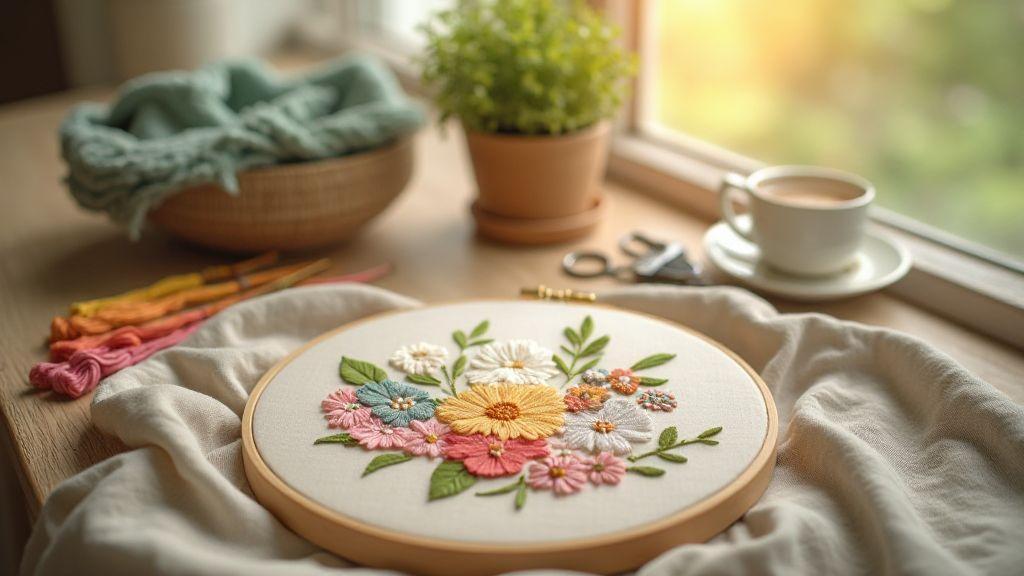
I choose tools that feel natural in my hands and reduce strain. Start with a light, smooth embroidery hoop that sits steady without pinching. A grip-friendly hoop helps wrists after long sessions. Needles are sharp but not brittle, a size that glides through fabric without tugging. A small pair of scissors cuts cleanly with one hand, so I don’t switch grips mid-design. When threading, I favor floss that doesn’t fray, keeping stitches even and calming nerves. Everything nearby is arranged for easy grabbing—a clean desk, simple setup. The Mental Health Benefits of Embroidery and Slow Crafting isn’t just a slogan; it guides tool choices that reduce chaos and create calm.
I test tools by how they feel after a few quiet minutes. If fingers tingle or grip tightens, I switch to something lighter or bigger. I carry two needle sizes for different fabrics, and thread snips with a soft handle and blunt tip to avoid poking skin. I keep a tiny notebook or phone notes to record which tool works best for what material. This tidy approach helps me stay in the flow and lowers stress, a big part of why I value the mental health side of slow crafting. The right tools set the tone for a steady, pleasant session.
Over time I’ve learned what gaps to fill before starting. If my workspace is cluttered, I remove unused tools and keep only what I actually use. A light, adjustable lamp helps color perception and eye comfort. When setup feels right, I finish more and feel a sense of progress that lifts my mood after each stitching session. My setup isn’t fancy, but it’s mine—and it works for quiet, thoughtful bordado.
Fabrics and needles that reduce strain
I choose fabrics that glide under the needle and don’t pull at skin. Cotton and linen with a tight weave yield clean holes and steady stitches, keeping hands from grinding to a halt. If fabric is stiff, I pre-soak or press lightly to soften it. I match needle size to fabric thickness—too big means resistance, too small means fighting the needle. Sharp needles cut cleanly but aren’t so sharp they snag easily. For dense fabrics, I switch to a shorter needle to reduce force. These choices keep my hands relaxed, translating to steadier stitches and less fatigue.
I test new fabrics with a small sample. If it feels gritty or resists the needle, I adjust or pick a different fabric. I keep a few favorites on hand to jump between projects without constant adaptation. I’ll rotate between needle sizes within a single project if tension builds, preventing overwork at any one spot. This approach helps me stay relaxed, focused, and in a good mood—a core part of why I love bordado as a steady practice. The Mental Health Benefits of Embroidery and Slow Crafting are amplified when I feel physically comfortable. The best fabrics for hand embroidery and which ones to avoid.
Ergonomic tips to protect hands and posture
I start with a back-supporting chair and a work surface that allows my feet to rest flat. If stitching for long periods, I set a timer to adjust posture and stretch my fingers. Shoulders relax, elbows stay close, and I avoid reaching with every stitch. When I need a break, I stand, stretch, and roll my wrists. I try to keep wrists straight to reduce fatigue and reset my jaw tension with a quick breathing check. The calm that comes from good posture helps my hands stay steady longer.
A supportive hoop on a stand or cushion prevents neck strain. A properly matched chair height means I don’t hunch or lean forward. I test the setup by stitching a few rows and ensuring shoulders stay relaxed. If there’s any strain, I tweak the hoop height or switch to a stand. Small changes here make a big difference in how long I can stitch without pain. I aim for a calm pace, good posture, and a finish with a smile, not a tight jaw.
I schedule short, frequent breaks with stretches, hand shakes, and finger wiggling. I breathe deeply and reset my mind before continuing. I rotate between tasks to avoid repetitive strain. This keeps my hands flexible and my mood steady. Slow, thoughtful work is healthier than rushing to finish. The Mental Health Benefits of Embroidery and Slow Crafting shows up here: pacing protects my body and lightens my mind.
How I find community and support with stitchwork
Stitching has become my lifeline. It connects me to people who share small joys and stubborn stuck moments. The practice is about chats, shared mistakes, and the slow pace that creates space to breathe. The more I stitch with others, the more I see I’m not alone with worries large or small. My thread links me to a network that listens, shares tips, and honors the quiet rhythm of a steady hand.
Community comes through many doors. Some days it’s a quick chat in a fabric shop; other days, a longer message thread swapping patterns and encouragement. I don’t need perfect work to belong—I bring imperfect stitches and a coffee-stained story, and I’m met with kindness. That mix of craft skill and human warmth makes each session feel like a small celebration of progress, no matter how tiny the step. In the end, stitching with others is a steady reminder that growth happens in conversation as much as thread. The community vibe mirrors the sashiko ethos of steady, mindful practice: philosophy behind sashiko.
Local groups and online bordado mindfulness circles
Local groups meet in libraries, community centers, and casual spaces where we stitch and chat. They’re chances to learn new stitches, swap fabrics, and share progress without judgment. In-person time helps me read nonverbal cues—the small fixes, the shared laughter—and makes embroidery feel like a communal hobby, not a solitary task. This community vibe mirrors the sashiko philosophy: philosophy behind sashiko.
Online bordado mindfulness circles connect me when I can’t be at a table with thread. I join focused threads, share progress, and post reflections about what I learned. The mindfulness angle helps me slow down, notice my breathing, and pay attention to how my hands feel as the needle moves. Seeing others’ progress, especially during busy times, is comforting. The mix of real-time chats and reflective posts keeps me grounded. The Mental Health Benefits of Embroidery and Slow Crafting often show up in these spaces as calm, predictable routines that ground me.
This blend of technique and presence is where I learn a new stitch one week and practice a mindful breathing exercise the next. Conversations stay warm and practical: Fix this seam, Try this tension, or Take a breath, then continue. It’s not about perfection; it’s about showing up, thread in hand, and letting the practice carry the day.
Working with therapists for embroidery therapy
I’ve worked with therapists who see embroidery as a doorway to talk about feelings. We discuss patterns, colors, and the stories I tell with my stitches. The therapist helps me spot patterns in embroidery that echo patterns in thoughts, guiding slow, gentle changes. This isn’t about diagnosing or fixing; it’s about using craft as a bridge to understanding myself better.
Therapy sessions can start with a simple zipper stitch and end with naming a worry I’ve carried. Focusing on texture and color becomes a mirror for mood. Therapists might suggest expressive stitching—choosing colors that reflect how I feel rather than how the piece should look. It’s a safe practice ground to explore emotions and translate some of that into daily life. Embroidery therapy adds meaning to the craft, not just decoration.
I’ve learned that combining therapy with group stitching creates a strong support net. I bring therapy insights to a weekly stitch circle for feedback, encouragement, and accountability. The hands-on, slow nature of embroidery provides a steady way to work through feelings, while therapy provides language for what’s underneath. That blend keeps stress lower and days more manageable. The Mental Health Benefits of Embroidery and Slow Crafting show up in this collaborative space as well.
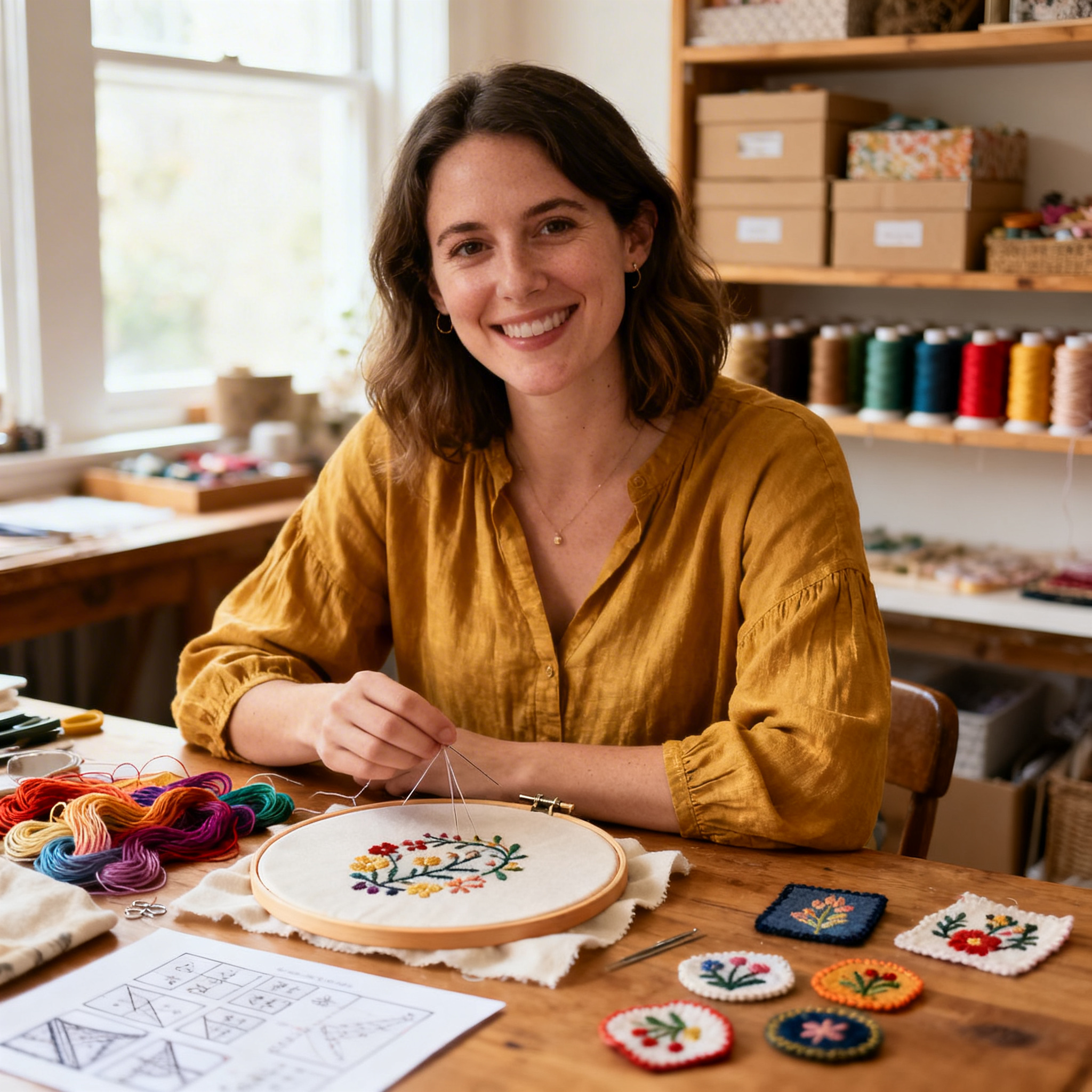
I’m Sophie Caldwell, the author behind granaboom.com, and I believe hand embroidery is one of the simplest, most relaxing ways to create something beautiful with your own hands. I started this blog to help beginners learn hand embroidery without feeling overwhelmed by complicated instructions or “perfect” results.
Here you’ll find beginner-friendly guides to decorative embroidery stitches, along with clear step-by-step practice ideas and patterns you can use to build confidence. My focus is on making the learning process easy: simple explanations, helpful stitch combinations, and small projects that look polished even when you’re just starting out.
Welcome to granaboom.com—grab your hoop, choose a few colors, and let’s stitch one line at a time.