Best Embroidery Fabrics for Beginners Explained with Bordado Tips to Choose the Perfect Fabric
Why I Trust Best Embroidery Fabrics for Beginners Explained
Embroidery is friendlier when you start with fabrics that don’t fight back. I’ve learned this the hard way: a stubborn base makes every stitch feel stressful; for a quick reference on beginner-friendly options, best fabrics for hand embroidery (and which to avoid). The Best Embroidery Fabrics for Beginners Explained focuses on fabrics that stay steady, don’t stretch too much, and let your designs sit exactly where you want. That clarity saves time, reduces frustration, and helps you see progress sooner.
I judge fabrics by three things: hoopability, stitch quality, and forgiving behavior if I wobble a bit. For beginners, fabrics like Aida cloth are a common starting point. I want fabrics that hold tight in the hoop without crushing threads and that don’t require fancy stabilizers for basic projects. Beginner-friendly fabrics form the backbone of early projects, letting me practice tension, stitch length, and smooth thread paths without fighting the fabric. When you trust the fabric, you can trust your habits.
Over time, the best options remain consistent project to project. I’m not chasing perfection every time, but I am chasing predictable results. That consistency helps me learn faster and build confidence. So, when I point to options, I’m highlighting fabrics that make the learning curve gentler and the results more enjoyable. It’s about steady, friendly basics that welcome mistakes and still look good.
My Go-To Beginner Fabrics
- Cotton weave fabrics are first in my kit. Plain and steady, they look clean because the weave breathes evenly and doesn’t pull at the threads. I prefer a snug, even tension in the fabric. Aida cloth is a reliable favorite for easy-hooping, guiding the needle without fuss. It’s ideal for simple designs or a basic monogram.
- Linen and linen blends come next, kept simple at first. Linen offers a smooth surface that grips threads steadily, helping me see how stitches sit. I start with lighter-weight linens and respect the grain to avoid warped edges. A linen blend adds a touch of texture while remaining forgiving. Begin slowly with linen to avoid heavy or drapey fabrics that tug the hoop. For linen projects, you might enjoy learning with a simple linen tote bag project: how to embroider a linen tote bag from start to finish.
- Polyester cotton blends are in my kit for their sturdiness without stiffness. They resist puckering better than pure cotton for beginners. These blends work well for quick practice pieces, small projects, or fabrics you can wash without color bleed concerns. They provide a smooth surface, hold stitches well, and hoop nicely.
Fabric for Beginner Embroidery Made Simple
Choosing the right fabric means easier pattern placement and keeping everything square. Simple means no extra stretch and a surface that guides stitches. Aida cloth is typically my starting point for newbie projects because its grid helps place each stitch with confidence. The even weave keeps stitches tidy, and you can judge tension by the uniformity of the blocks.
If you want something a touch less blocky, try tightly woven plain cottons. They don’t slide around, so you can focus on stitch variety. Hoop well and use light stabilizer for denser designs or metallic threads to prevent puckering. For practice pieces that don’t demand rigid perfection, polyester felt or linen-caved muslin offer forgiving bases for new stitches and thread types. If you’re curious how pattern transfer works, you can explore how to print directly onto fabric for embroidery or how to use transfer paper for embroidery step by step.
Cotton vs Linen for Embroidery
Cotton and linen bring different personalities. Cotton tends to be beginner-friendly—soft, forgiving, with a flatter surface. Linen offers a crisp weave and sturdier feel, ideal for tight stitching and more complex patterns. The choice depends on your goals: ease and smooth stitching or a durable, textured finish. Cotton shines for quick, neat results; linen rewards careful work with a classic, textured look.
Consider how the fabric handles thread and tension. Cotton usually gives a bit more stretch and glides smoothly, aiding stitch fluency. Linen’s stiffer fibers resist snagging but may require steadier hands and a firmer hoop. If you’re teaching a beginner, start with cotton to build confidence, then introduce linen to show texture differences. Durability and maintenance also vary: cotton wrinkles more but stays soft after washing; linen holds shape and ages beautifully. Linen’s natural texture can add depth to wall hangings or decorative pieces, while cotton remains easier for towels or patches.
Pros and Cons for Beginners
- Cotton: soft, forgiving, flat surface; threads glide well. Downside: puckering if you pull too tight or if the fabric is very thin.
- Linen: crisper, more durable, great for neat density and backstitching. Downside: stiffer warp and weft can require a firmer hoop and steadier hands.
- For a first project, cotton offers quick wins and confidence. Linen is ideal after you’ve learned the basics and want a refined texture.
Cotton vs Linen: Weave and Feel
Cotton weaves are typically soft and smooth, with flexible grip on needle and thread. Stitches sit evenly, and long satin stitches move with the hoop. Linen has a crisp, toothy surface that anchors stitches with steady resistance and can handle denser fills. It can be less forgiving if you tug too hard or if the needle isn’t sharp enough. Care-wise, cotton is easy to wash and gentle on color; linen tends to iron to a smooth, lustrous finish and ages with character.
Choosing Cotton or Linen for Projects
- For beginner-friendly projects, choose cotton. Pick a medium-weight cotton with a tight but flexible weave and start with simple stitches like running stitch or backstitch. Practice with a few colors to improve tension consistency.
- For more experienced or refined finishes, choose linen. Start with a light to medium-weight linen and practice steady tension. A small linen swatch is great for feeling the fibers. Linen shines on dense fills and clean outlines, giving a natural, heirloom look. For a practical starting point, you can explore a linen tote project as a hands-on example: how to embroider a linen tote bag from start to finish.
How to Choose Fabric for Embroidery: Step by Step
Check weave, weight, and color
A tight, even weave keeps stitches neat; a loose weave can make stitches look uneven. Higher thread counts usually yield a smoother surface. Weight matters: light fabrics suit delicate stitches; medium weights stay sturdy for bigger designs. Avoid heavy fabrics unless you’re doing bold embroidery, as they can distort the design. Choose a base color that makes your thread colors pop.
Test with a loose sample stitch. If the fabric puckers, switch to a tighter weave or add stabilizer. If color bleeds, wash the fabric first or choose a different base. Beginnings benefit from a fabric with a visible weave to help you place stitches accurately.
Match your design to the fabric
Choose fabric that fits the design’s mood and size. Big designs work well on medium to heavy fabrics with a clean surface. Small motifs look best on light, smooth fabrics. Consider texture: patterned fabrics add interest but can hide fine stitches. If needed, sketch or test on a scrap to ensure the motif stands out.
Consider how the fabric handles the hoop. If edges fray or pucker, add stabilizer or choose a different fabric. Align your fabric choice with thread weight: lighter fabrics suit thinner threads and finer stitches; heavier fabrics support bolder stitches.
Simple checklist for beginners
- Choose a light to medium-weight, plain or evenly woven fabric
- Ensure the weave is tight enough to hold stitches
- Pick a color that contrasts with your thread
- Test with a quick stitch on a scrap
- Verify the fabric works with stabilizer and hoop without puckering
Stabilizer Tips for Embroidery Beginners
Stabilizers matter for clean designs, fewer puckers, and less thread breakage.
When to use tearaway or cutaway
- Tearaway: great for lightweight fabrics like cotton shirts or fine muslin; easy to remove after stitching.
- Cutaway: better for denser designs or stretchy fabrics; stays behind stitches and protects fibers, though harder to remove.
How I hoop with stabilizers
Hoop the stabilizer first, then place the fabric on top. If using tearaway, hoop looser for breathability; if using cutaway, tape edges and use medium tension so the stabilizer stays flat.
For delicate fabrics, use a thinner stabilizer and looser hooping. If distortion appears, loosen and recheck.
Stabilizer choice for each fabric
- Lightweight fabrics: light tearaway or light cutaway
- Heavier cotton blends: medium tearaway
- Knits or stretch fabrics: stabilizers with give (tears or light cutaways with mesh, or a stabilizer spray)
- Denim or canvas: sturdy cutaway that stays put
Best Fabric for Cross Stitch Beginners and Small Projects
For beginners, the fabric should be forgiving, easy to count, and inexpensive. The right fabric keeps stitches even and reduces hand fatigue. Aida, evenweave, and lightly built fabrics offer predictable results. For small projects, Aida 14-count works well; for larger, denser designs, evenweave with a lower count prevents the weave from overpowering the thread. Avoid fabrics with excessive texture or high thread counts at first. The Best Embroidery Fabrics for Beginners Explained approach emphasizes choosing options that help you learn counting, tension, and neatness without fighting the base material.
Aida, Evenweave, and Counted Basics
- Aida: classic starter fabric with clear square holes; counting is straightforward and stitches sit predictably. Lower-count Aida (like 14-count) remains gentler to handle.
- Evenweave: no obvious holes; uniform weave yields a smooth, professional finish. Slightly more counting attention is needed, but transitions from Aida are smooth with practice.
- Counted basics: fabrics where you stitch by counting threads or squares according to a pattern. They help you learn thread placement, stitch sizing, and tension control in a structured way.
Best Embroidery Fabrics for Beginners in Cross Stitch
When selecting the best embroidery fabrics for beginners, look for easy counting, stable grip, and forgiving texture. Aida, evenweave, or lightly built fabrics are common choices that don’t fight the thread. For small projects, Aida works well; for larger pieces, evenweave with a lower count balances detail and ease. The guiding principle of Best Embroidery Fabrics for Beginners Explained is to pick fabrics that support learning—counting, tension, and neatness—without getting in the way.
If you’re new, this approach helps you build skills without frustration and lets you enjoy the process as you progress.
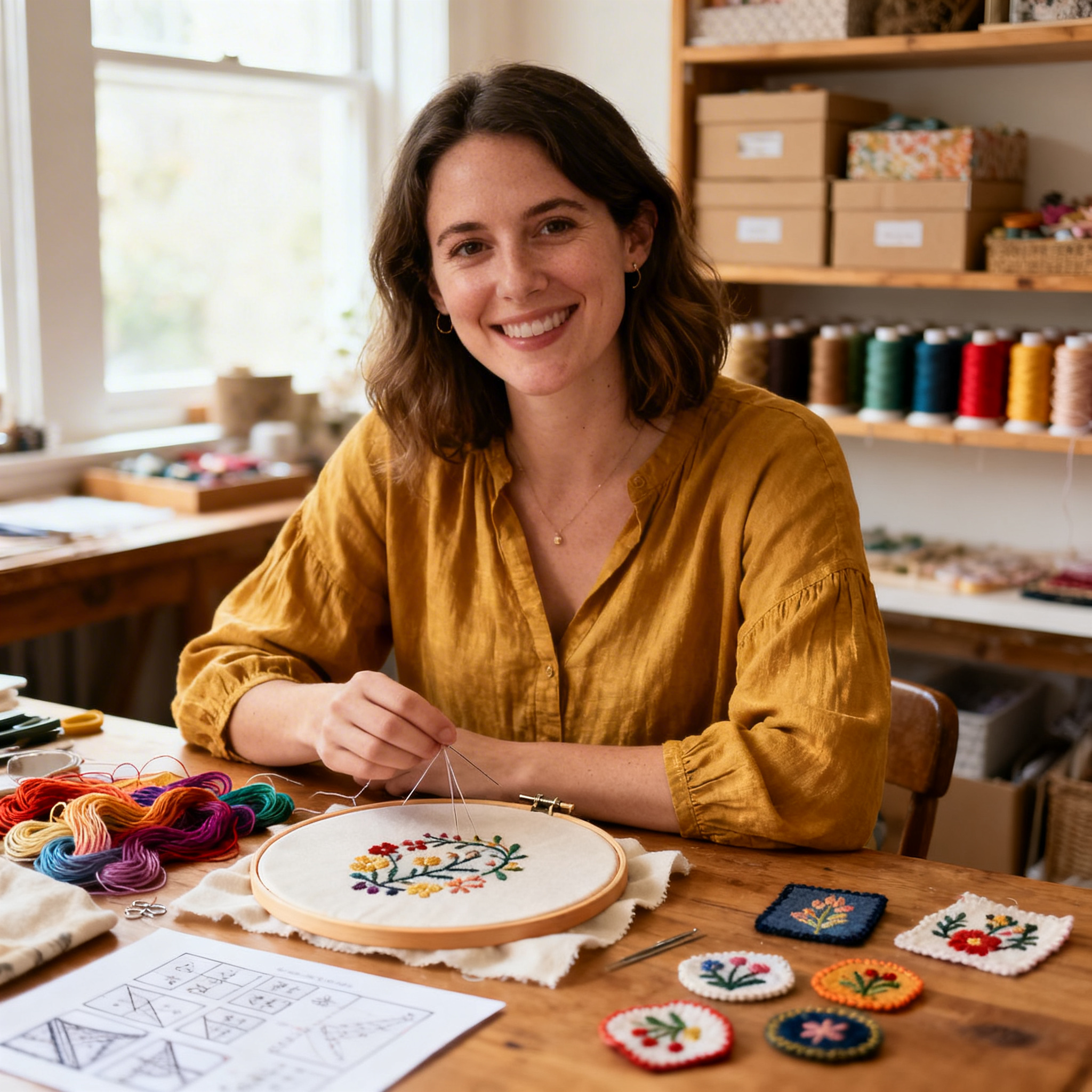
I’m Sophie Caldwell, the author behind granaboom.com, and I believe hand embroidery is one of the simplest, most relaxing ways to create something beautiful with your own hands. I started this blog to help beginners learn hand embroidery without feeling overwhelmed by complicated instructions or “perfect” results.
Here you’ll find beginner-friendly guides to decorative embroidery stitches, along with clear step-by-step practice ideas and patterns you can use to build confidence. My focus is on making the learning process easy: simple explanations, helpful stitch combinations, and small projects that look polished even when you’re just starting out.
Welcome to granaboom.com—grab your hoop, choose a few colors, and let’s stitch one line at a time.