Free Embroidery Patterns for Kids and Teens with Cute Bordado Designs to Stitch Today
Where I Find Free Embroidery Patterns for Kids and Teens
I’ve learned the best place to start is patterns made for beginners and kids. Look for simple shapes, bold lines, and clear color guides. When patterns are clearly labeled beginner-friendly, there’s no guesswork about stitches. I favor sites that group templates by skill level so I can finish in an afternoon. Free Embroidery Patterns for Kids and Teens should feel approachable, not like solving a math problem. For beginners, you can explore beginner-friendly floral and animal patterns such as 10 free floral embroidery patterns for absolute beginners and cute animal embroidery patterns free printables for beginners.
I keep a small stash of go-to sources with printable size charts and quick stitch guides. A good free pattern for kids is forgiving—clean lines, few color changes, and a design that scales for a tote, pillow, or shirt. If I can print a few samples on scrap fabric first, I save from wasting good material later.
I also check for friendly licensing. Personal-use patterns are ideal for kids’ crafts, and I avoid anything overly restrictive. I want patterns I can share with friends or family without copyright concerns. When I find reliable sources, I bookmark them for the next crafting session.
Top websites with downloadable embroidery patterns free
- A site with a clean layout, big previews, and a simple download button. Patterns are organized by season and holiday, so it’s easy to pick something timely. Small thumbnails of the finished stitch help you decide before downloading.
- Another site posts weekly freebies and bundles that include kid-friendly designs, plus short, beginner-friendly stitch guides with each pattern. PDFs with multiple sizes are a bonus for fitting different projects.
- A community-driven site where crafters share their own designs offers real-world variety—animals, space themes, and simple shapes. The comments often share tips for stitching on denim or felt. Consistency varies, so skim a few patterns to check explanations before saving.
How I vet free embroidery patterns for kids for safety
- Origin and licensing: I stick to reputable creators and avoid anything sketchy or with unusual permissions. Patterns should be kid-friendly—no scary imagery or mature themes.
- Instructions: I print and test the steps. Jargon or assumptions of advanced knowledge disqualify patterns. Look for parent-and-child-friendly steps with obvious stitch types and color changes. If specialized stabilizers or rare threads are required, I seek simpler alternatives or skip it.
- Finished look and fabrics: I preview how the design will appear on common fabrics like cotton, felt, or a tote. If the design is too busy or lines blur easily, I skip it. Tiny elements that could pull away are a no-go for younger kids. Clear, sturdy designs win.
Bookmarking printable kids embroidery patterns and free bordado designs for kids
I keep a short list of patterns that work well with kids and backups for rainy days. Printable options live in a dedicated folder, with notes on fabrics and threads that pair best with each design. I organize bookmarks by project type—totes, jackets, patches—so I can quickly pick something that fits the item. Fresh kid-friendly bordado designs get added with labels like beginner or for teens. I re-check licensing before printing or stitching, especially if I plan to share or sell the finished piece. Free Embroidery Patterns for Kids and Teens should be fun and safe, not tangled in usage rules. A tidy, labeled list means you can pick a pattern in seconds.
Easy Embroidery Patterns for Beginners Kids
Teaching kids embroidery opens a world of creativity with simple tools. Beginning patterns should feel forgiving, with big shapes and clear, single stitches. Look for bold outlines, simple fills, and minimal color changes so little hands stay focused and confident. Comfort matters as much as difficulty: use softer fabrics, larger hoops, and extra-thick thread. A small pile of pre-wound needles and practice swatches helps build confidence before moving to more elaborate work.
Animals, smiley faces, and everyday objects work well because they’re recognizable. Repetition—like hearts or stars—helps muscle memory and speeds up a satisfying finish.
Simple stitch patterns for children like backstitch and running stitch
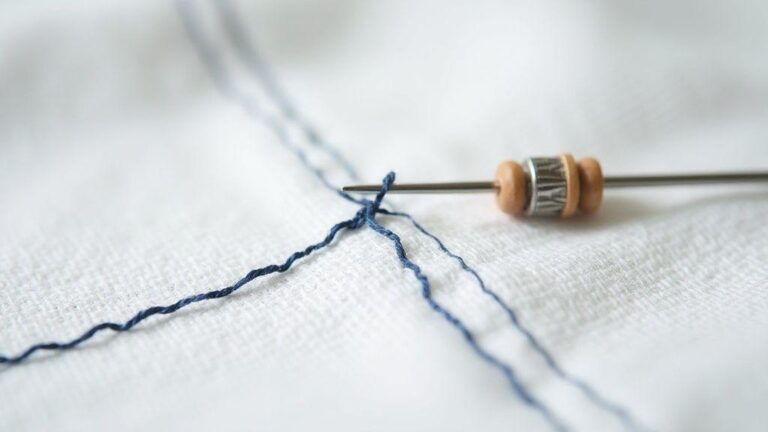
- Start with backstitch for clean lines and bold borders. Keep stitches even; slow down if lines wobble.
- Running stitch is easy to control and great for filling shapes. Space stitches evenly and avoid pulling the thread tight. It’s ideal for small details like stripes or a smile.
- Add a few short stitches like satin stitch for small fills when the area is large enough. Practice on scrap fabric first to build confidence.
Quick beginner projects I finish in one sitting
- Small patches for backpacks or denim (about palm-sized) in a single color with a bold shape.
- Simple appliqué pieces for totes or pillowcases: two to three solid shapes with a light border and a single color.
- Tiny felt embroidered badges with a neat border and a small running stitch accent.
If you want to explore border options for totes or pillowcases, see simple-border-patterns-for-embroidering-towels-and-linens.
Using easy embroidery patterns for beginners kids
Begin with clear outlines and large shapes. Print, tape to fabric, and transfer lines with a light pencil or water-soluble marker. Limit the color palette to two or three colors to avoid overwhelm, and contrast thread against fabric for visibility. After finishing, showcase work on a tote, pillow, or wall hanging. Safety: knot the thread ends and keep loose ends tucked away.
If you’re a parent or teacher, start with downloadable Free Embroidery Patterns for Kids and Teens to discover kid-friendly designs. A small starter kit—needles, hoops, a few colors, and a couple patterns—keeps kids motivated. For tracing patterns, the lightbox method is a handy option.
Printable Kids Embroidery Patterns I Use
My go-to patterns are simple animals, smiley faces, and basic shapes with bold outlines and large spaces. I favor patterns that are easy to read and quick to stitch, helping kids feel proud rather than overwhelmed. I print patterns on clean white paper and keep a small notebook to track which designs spark the most interest. For curved lines, I trace lightly first to smooth the path before stitching.
Group patterns by theme (animals, shapes, letters) to make sessions feel like a playful journey. Layer in colorful blocks to keep attention, while maintaining simplicity.
To transfer and print nicely, you might explore print directly onto fabric for embroidery and transfer paper for embroidery.
How I prepare printable kids embroidery patterns for transfer
- Choose crisp, high-contrast patterns and print at 300 dpi or higher.
- Transfer with a lightbox or window using heat-transfer paper or fabric pencil. For textured fabrics, consider wash-away pen marks.
- Test a tiny corner first to ensure visibility and line weight, then hoop and stitch with calm, even motions.
- Keep supplies organized: pencil, eraser, lightbox/window, transfer paper, fabric, thread, hoop.
Best paper and printer tips for clear prints
- Use bright white, slightly heavier printer paper with a matte finish to avoid glare.
- Print in high-quality or photo mode for edge sharpness; keep a spare sheet.
- Avoid tiny fonts; test a section on scrap fabric to confirm legibility.
- If lines are faint, boost contrast and print preview carefully.
To help visualize placement and scale, save patterns in a folder titled Free Embroidery Patterns for Kids and Teens with PNGs for quick viewing and PDFs for printing. Name files by subject and date, note hoop size and stitch count, and print a test page first to verify scale. Save both colored and black-and-white outline versions to help with color planning and line-following practice. If a ZIP is used, extract and label by theme, and back up digital files.
Cute Bordado Designs for Teens and Kids
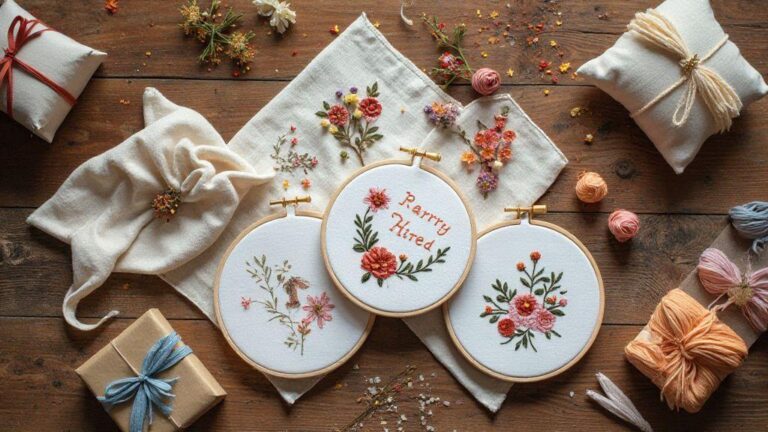
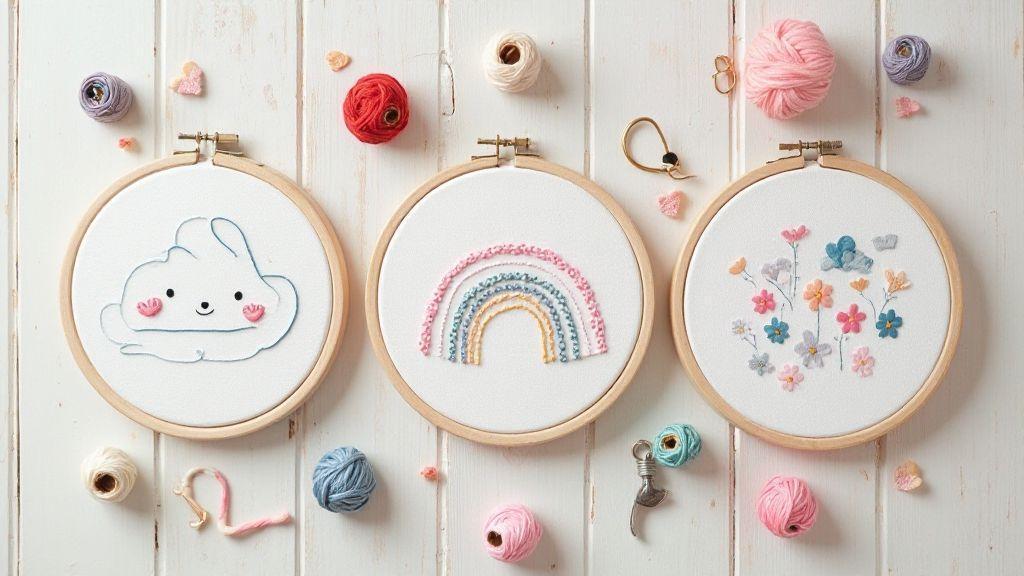
Cute bordado designs strike a balance between playful and grown-up. Choose designs that stitch up easily, with clear outlines and colors that pop without overpowering the fabric. Teens may prefer bolder statements; kids favor friendly shapes. Consider size and detail, aiming for patterns that translate well onto backpacks, jackets, or hoodies. Mix florals and icons for a modern look, and blend patterns to create versatile wardrobes.
Popular cute embroidery patterns for teens: florals and icons
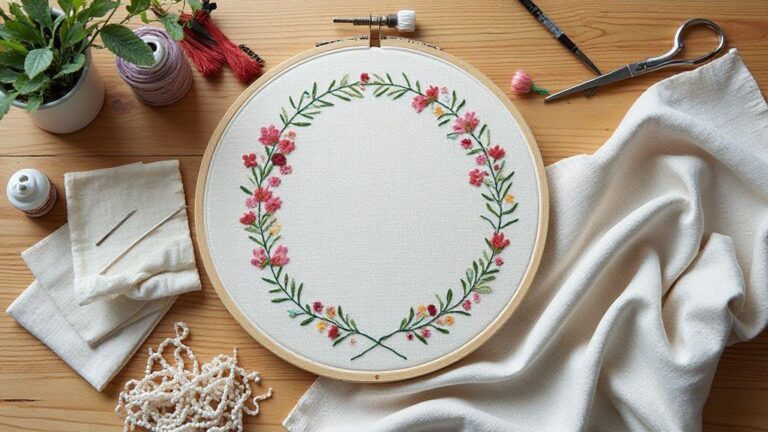
- Florals: single blooms or small bouquets with bold petals and clear stems, great on denim, canvas, or knits. Scale to fit the garment and leave room for simple fills. For floral inspiration, see 10 free floral embroidery patterns for absolute beginners.
- Icons: stars, hearts, smiley suns, or lightning bolts with clean lines and a limited color palette. A single bold icon in a bright color can be very effective.
- Combine florals and icons for a contemporary look. Use simple shapes for kids and add subtle shading or bolder color blocks for teens.
Choosing cute embroidery patterns for teens and kids
For teens, favor bold lines and bright colors with clean fills. For kids, choose larger shapes and friendly faces with soft color transitions. Consider stitching time and skill level, aiming for patterns that stay enjoyable. Test patterns on fabric scraps first to check scale and spacing. Pick high-contrast color combinations for readability, and keep a core collection of reliable designs to mix across projects. For bold lines and simple fills, explore florals in 10-free-floral-embroidery-patterns-for-absolute-beginners and botanical line art patterns for hoop art.
Animal Embroidery Designs for Kids I Stitch
Animal motifs are approachable and wearable. Use bold outlines and solid fills with two to four colors max for kid-friendly results. Start with simple animals and scale up as skills grow. Pair patterns with patches for clothes or small toys to boost ownership and pride.
Easy animal embroidery designs for kids like cats and birds
- Cats: round head, pointy ears, bold outline; satin fill for the head; tiny nose and whiskers in backstitch. Let kids pick bright colors.
- Birds: round body with a small beak and a wing; a few French knots for eyes. Keep lines clean and colors simple.
Progress through mini-series (cat on a windowsill, birds on a branch) to keep practice engaging. Use starter tools like a small hoop and beginner-friendly stitches, and avoid heavy shading for faster learning.
Scaling animal motifs for clothes, patches, and toys
- For clothes and patches, maintain high contrast with fewer stitches per inch when scaling down to avoid puckering.
- On jackets, adjust the head size for balance. For toys, simplify features and consider felt details for eyes or noses.
- Test scales on scrap fabric first; keep a cohesive color story across items when combining patches and toys.
Downloadable animal embroidery patterns for kids
Keep a curated set of easy patterns (cats, birds, and friendly faces) in PDF with color legends and a suggested stitch list. Include versions with just outlines and with color fills for different skill levels. Share patterns to help families start stitching quickly, and remind them to respect licensing and use Free Embroidery Patterns for Kids and Teens for ongoing ideas.
Simple Stitches, Tools, and DIY Kits for Children
A basics-first approach helps kids practice with confidence. Short sessions, bright threads, and forgiving stitches build muscle memory and pride. Use kid-friendly kits and patterns that label steps clearly and include safety reminders. Free resources are great for testing interest before committing to a full kit.
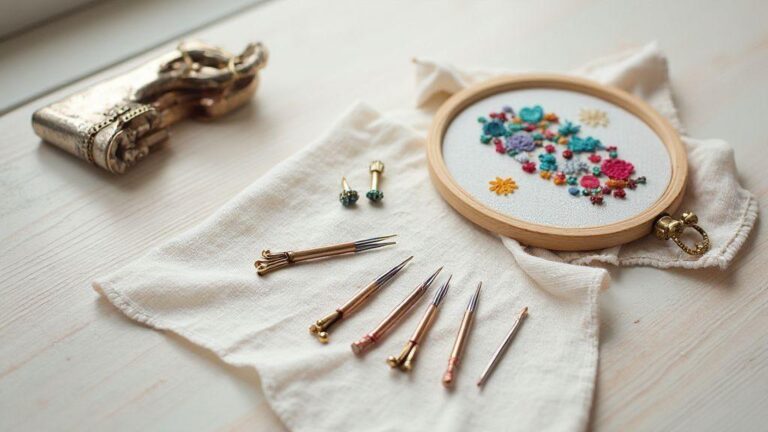
Tools I trust: hoops, blunt needles, and kid-safe scissors
- Hoop: lightweight, stable, with a smooth inner edge to protect small fingers.
- Blunt needles: reduce pokes while guiding thread through fabric.
- Kid-safe scissors: keeps trimming safe and easy; store in a labeled box to stay organized.
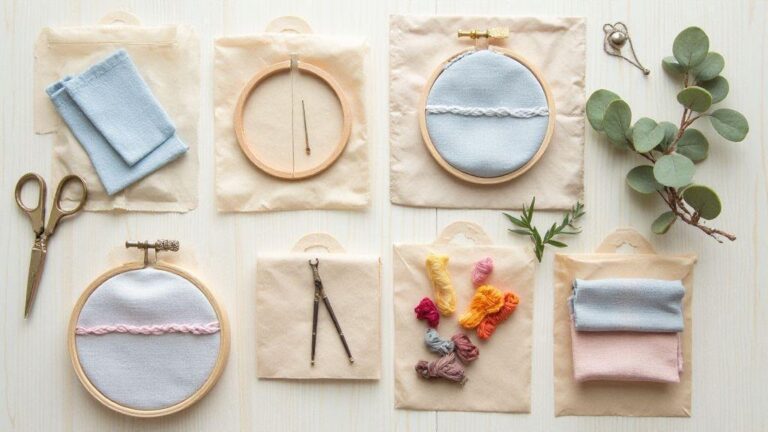
A mini embroidery station with these tools improves focus and reduces cleanup drama, making sessions enjoyable and safe. For a beginner project guide, see Your First Embroidery Hoop.
Picking DIY embroidery kits kids free patterns to learn stitches
DIY kits that break tasks into small steps work best. Start simple, practice on a swatch, then move to a project. Free Embroidery Patterns for Kids and Teens are perfect for trying a pattern before buying a kit. Look for clear, large instructions with step-by-step photos, included markers, color labels, and a project just a notch challenging but not overwhelming. Align patterns with a child’s interests for personal, fun practice.
Simple Stitch Patterns for Children and Safety Tips
Begin with running stitch, backstitch, and straight-line fills. These are forgiving and easy to correct. Practice on scrap fabric to keep the actual project clean, and teach tension and stable workspace habits. Safety reminders: tie off threads securely, keep scissors away from faces, and work in small, manageable sections. If frustration arises, pause and celebrate a tiny victory to maintain momentum.
Free Embroidery Patterns for Kids and Teens can be a launching pad for curiosity and skill, keeping learning momentum without burnout.
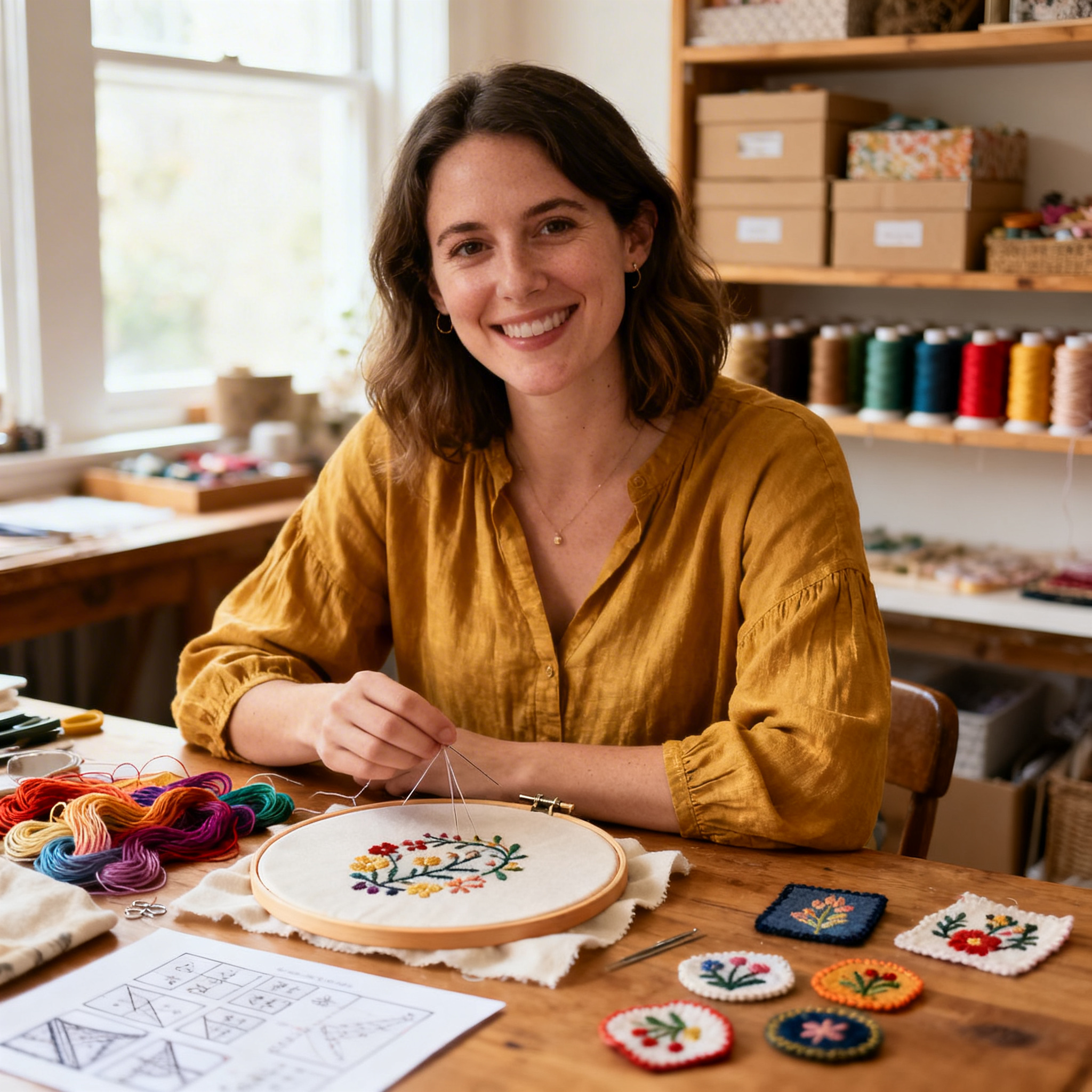
I’m Sophie Caldwell, the author behind granaboom.com, and I believe hand embroidery is one of the simplest, most relaxing ways to create something beautiful with your own hands. I started this blog to help beginners learn hand embroidery without feeling overwhelmed by complicated instructions or “perfect” results.
Here you’ll find beginner-friendly guides to decorative embroidery stitches, along with clear step-by-step practice ideas and patterns you can use to build confidence. My focus is on making the learning process easy: simple explanations, helpful stitch combinations, and small projects that look polished even when you’re just starting out.
Welcome to granaboom.com—grab your hoop, choose a few colors, and let’s stitch one line at a time.