How Embroidery Helps Reduce Anxiety and Stress Find Calm with Bordado Techniques and Mindful Stitching
Science of Bordado Calm
I’ve learned that embroidery isn’t just pretty stitches; it can calm the mind. When I sit with a needle and thread, my hands move in familiar, repetitive patterns. That rhythm helps my brain settle, like a steady drumbeat guiding thoughts so they stop bouncing around. The science is about nervous system signals and attention: repeating motions can lower the body’s alert state and give the brain a reliable task to focus on. It’s a tiny, gentle reset that fits into daily life, not a big fix.
Calm from embroidery comes from how our bodies respond to rhythm. Repetition creates predictable sensory input, which reduces sudden stress reactions. My heart rate and breathing often slow a bit when I’m stitching. That shift tells my nervous system it’s safe, which stress wants to interrupt. When I’m stressed, my hands shake or my mind races. With embroidery, that racing turns into deliberate movements, and the shift feels almost automatic. It’s biology meeting a hobby.
Over time, that small daily practice can change how I react to anxiety. I’m not immune to panic, but my default mode drifts toward a steadier pace. Threading, pawing through fabric, and guiding a stitch becomes a dependable anchor—a tiny habit quietly rewiring how I respond to daily pressures. The mindset of I can handle this one stitch at a time helps me keep going when stress piles up.
How Embroidery Helps Reduce Anxiety and Stress, nervous system effects
Embroidery changes how my nervous system talks to my brain. The steady, repetitive actions cue the parasympathetic system—the part that calms me after a scare. My breath slows, shoulders drop, and I feel a lighter chest. It’s not dramatic, but it lowers the edge of tension behind my eyes.
The hands at work send mixed signals: focused on thread and fabric, yet body relaxes. That balance shifts adrenaline toward a steady, contained energy. I think more clearly between stitches, not fogged by worries. The nervous system does its job: helping me ride out stress with a calmer tempo.
When anxious, embroidery gives me a safe, predictable task. The simplicity reduces cognitive load, letting my brain process things one step at a time. The result is a real, though sometimes subtle, decrease in anxiety for the moment, and sometimes for the day.
For techniques and ways to keep tension steady, you can also explore options like learning the backstitch with a reliable guide. For a reliable backstitch, learn how to do a perfect backstitch.
mindful embroidery for anxiety, rhythm and breathing
Mindful embroidery combines deliberate rhythm with controlled breathing. I count stitches or focus on color transitions. That focus creates a simple mental beat, like tapping a steady foot on a calm river bank. My breath follows that pace, slow and even, nudging my nervous system toward calm.
Rhythm isn’t about perfect speed but a reliable tempo I can return to when thoughts wander. When anxiety spikes, I reset by returning to the stitch line and the next loop. The breath and stitch form a small duet: breathe in with the moment the needle moves forward, breathe out as I pull the thread through. This pairing centers me rather than letting fear pull me in.
I use mindful embroidery in short blocks—10 to 15 minutes at a time—with great effect. The pattern gives me something constructive to do with worry, and the breath offers a way to exhale the tension I carry. It’s not about erasing problems; it’s about not letting stress dominate the day.
There are simple pattern ideas that can help you start mindfully; consider exploring minimalist line art embroidery patterns for a calm, focus-friendly session.
Evidence from studies on rhythmic crafts
Researchers studying rhythmic crafts note a real, measurable drop in stress hormones when people repeat simple, steady motions. Rhythm supports better attention and mood by giving the brain something predictable to anchor to, reducing rumination. When I focus on the thread rather than worries, the mental landscape softens. It’s not a cure-all, but a reliable helper that fits into busy lives. The core takeaway is simple: how Embroidery Helps Reduce Anxiety and Stress isn’t only a feeling—it’s supported by evidence of calm produced by rhythmic practice.
To add a dash of pattern variety, I sometimes loop in small borders or motifs from easy pattern sources, like repeat patterns for borders and edges.
Bordado techniques for calm
Simple stitching can steady a wandering mind. With a needle and thread, thoughts slow, breath finds a groove, and bordado becomes a quiet companion—a tiny ritual I can repeat anytime I need a break from noise. The goal isn’t fancy loops; it’s steady, repetitive motions I can trust. I reach for basic stitches first: running stitch, backstitch, and a gentle satin stitch. They create a predictable rhythm that calms the mind and relaxes muscles. Jaw unclenches, hands slow, and breathing settles as the thread travels along a forgiving path.
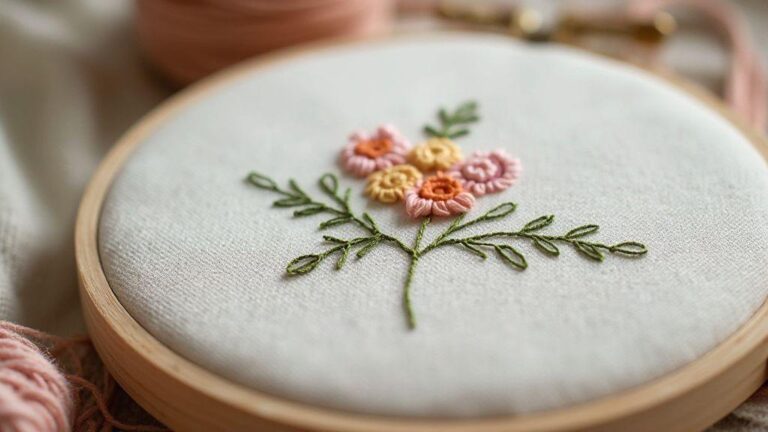
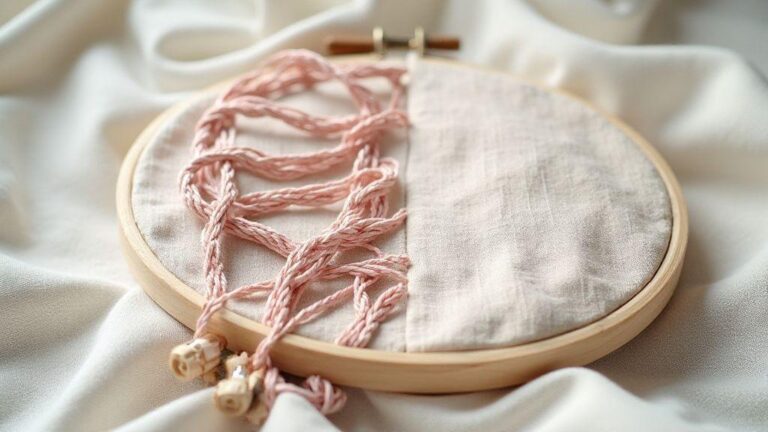
Choosing the right embroidery hoop for your project can influence tension and comfort. Keeping the project light and portable helps. A small piece of fabric, a few colors, and a hoop fit into a bag for work or a cozy corner at home. It’s not about finishing fast but weaving a little calm into the day. When seams appear, I feel a tiny sense of achievement, a nudge toward a gentler mindset for the next task. How Embroidery Helps Reduce Anxiety and Stress isn’t just a tagline; it’s a result I see in my practice.
bordado techniques for calm, stitches that reduce tension
I favor short, deliberate stitches over long, hurried ones. A breathe-like rhythm forms as I place each stitch and pull just enough to feel secure. If my mind drifts, I count stitches or name the color I’m using. The tactile thread reminds me that progress comes in small, steady increments.
Physically, shoulders relax, posture improves without force, and eyelids feel heavier in a good way. It’s a tiny workout for patience and focus. If tension returns, I switch to a lighter color or a simpler pattern, signaling my brain to ease the stress rather than overthink.
mindful stitching meditation with simple patterns
Treat mindful stitching as a short, mental reset. Pick a simple pattern—dots, lines, or a gentle grid—and repeat with mindful awareness. Notice each breath as I guide the needle, feeling the fabric beneath my fingers. The pattern becomes a map for attention, nudging it away from spiraling thoughts toward the present moment. It’s not about perfection; it’s about consistency and presence.
Keep patterns few and forgiving so I stay with the process rather than chase flawlessness. A single color with a repetitive stitch gives space to observe inner thoughts without getting swept away. If my mind wanders, I return to the pattern and rhythm of the needle. Real calm happens in the steady beat, not in the finished look.
mindful stitching meditation with simple patterns-1
Starting with a simple pattern helps me feel successful quickly. I choose a small shape and repeat it slowly, letting each pass of the needle be a quiet exhale. The practice trains my attention to rest on the moment, not on what could go wrong later. Tension fades as I settle into the cadence of stitches and the soft clink of thread against fabric.
I remind myself this is a practice, not a performance. If a slip happens, I pause, fix it, and keep going. The goal is steady presence, not perfect embroidery. When I finish a short session, I feel lighter—like I’ve given my brain a gentle nudge toward calm.
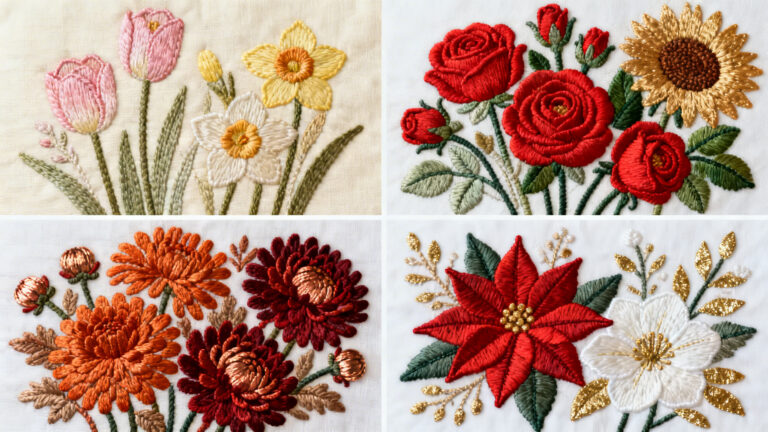
There are plenty of simple pattern options; for example, you can try patterns from minimalist line art embroidery patterns or search for other beginner-friendly designs like 10 free floral embroidery patterns for absolute beginners.
Therapeutic embroidery exercises
Embroidery has become my quick source of calm when thoughts race. I’ve learned a few exercises that don’t require fancy gear or hours of quiet. These are simple, practical, and can be done with a project from the kit and a few minutes of focus. The rhythm of stitching helps slow my breath, lowers shoulder tension, and clears mental clutter.
Therapeutic embroidery turns stress into something tangible and steady. I start with small stitches—running or backstitches—and watch the thread move through fabric. Each tiny stitch is a controlled action I can measure. Real-time progress—one neat line after another—validates my ability to calm down, even if only for a moment.
I also pay attention to my body while I stitch. If I notice jaw tension or shoulders creeping up, I adjust my grip or slow my pace. The goal isn’t perfection; it’s presence. The more I practice, the easier it is to reset during tougher days.
therapeutic embroidery exercises I use for quick relief
When relief is needed fast, I reach for quick exercises. One is a short, repetitive satin stitch around a small circle—three minutes of even tension and smooth thread glide. The repetition becomes a heartbeat that steadies my breath.
Another quick exercise is color breath alignment. I choose a color that matches my mood and stitch a simple shape while breathing in for four counts and out for six. The color cue and cadence merge into a soothing anchor. If worries buzz, I keep the shape small and the pace slow; a slip becomes a reset, not a panic.
I also use a short check-in routine: three minutes of stitching, then naming three things I’m grateful for, three things I can control, and three things I’ll let go. This mini ritual makes embroidery a mental reset, not just a crafts hobby.
embroidery breathing techniques tied to stitch speed
Breathing and stitch speed go together. I slow the thread and my breath to calm Fight or Flight. For a calm sequence, I start with a slow stitch—one careful backstitch—inhale for four counts, exhale for six. The longer exhale helps the body relax, slowing my hands.
For more engagement, I use a longer stitch pattern like a satin strip. I breathe in on the return of the needle and out as I push through the fabric. This pairing turns each pass into mindfulness. If my heart races, I drop the stitch speed and return to four-and-six breathing. I’m not chasing perfection; I’m building a bridge from anxiety to calmer movement.
If a busy mind intrudes, I switch to a quick, gentle tempo—short, even stitches with rapid inhaling and slow exhaling. The tactile thread reassures me I’m in control, and the breath keeps me present rather than spiraling.
Start with five minute pieces
I keep five-minute projects as a starter for busy days. Five minutes isn’t long, but it’s enough to feel the shift when I’m overwhelmed. I choose a simple shape—square, circle, or a small leaf—and stitch with steady, even stitches. The goal is consistency, not speed. I set a timer and let the rhythm guide me.
During those five minutes, I watch for tension in my shoulders or jaw. If I notice it, I slow down or drop a stitch to pause and reset. Finishing with a small motif gives me a tiny win and a reminder that I can create calm in a short window. Over time, these short sessions build momentum for longer projects.
There are plenty of ready-made pattern ideas appropriate for short sessions; for example, you can explore patterns like 10 free floral embroidery patterns for absolute beginners or other beginner-friendly options such as free mushroom cottagecore embroidery patterns.
Setting space and materials for calm
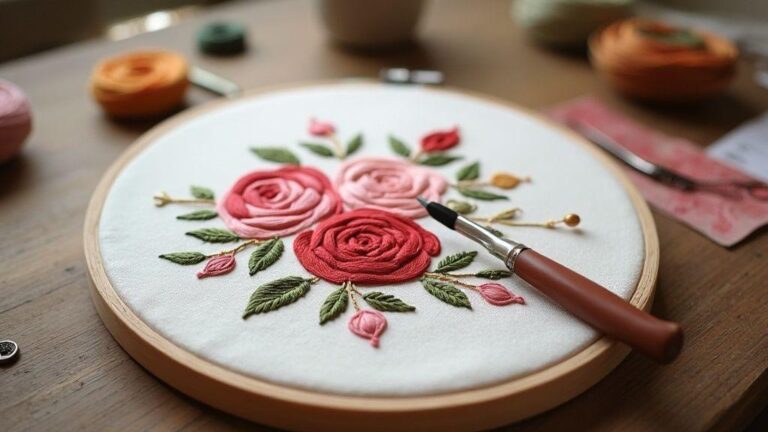
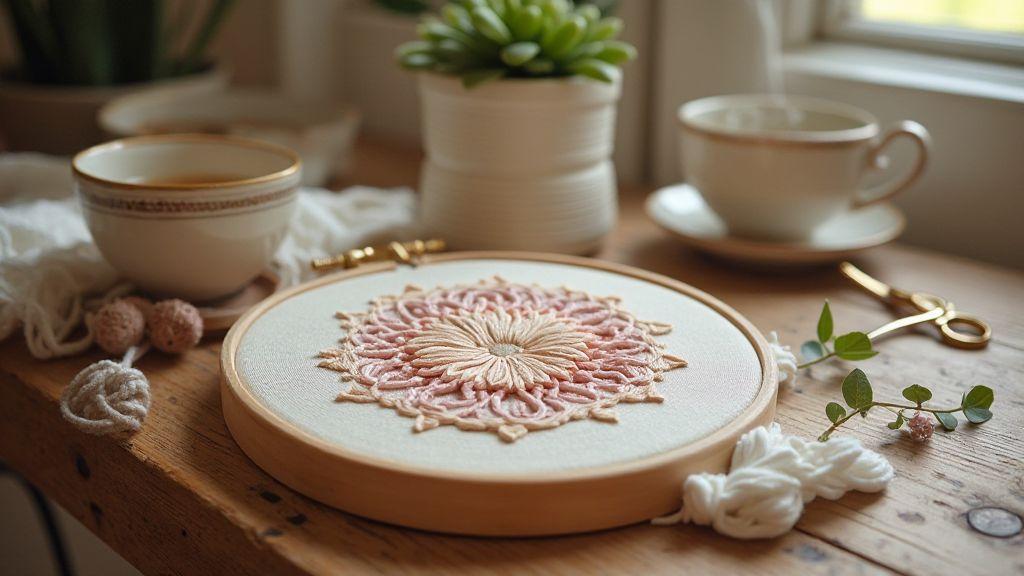
I start with a small, dedicated corner where the world slows down. I clear a desk, light a quiet lamp, and set out needles, floss, scissors, a hoop, and a few fabric swatches. An organized space helps my mind loosen its grip on the day.
A small tray with favorite colors and a nearby notebook for quick pattern notes keeps focus. I unplug the phone or set it to Do Not Disturb so notifications don’t pull me away. My rhythm becomes: breathe, select, stitch, rest. In that rhythm, my shoulders drop and my thoughts settle. The space isn’t about perfection—it’s about consistency. A tidy, well-lit area signals to my brain that it’s time to slow down and enjoy the craft. A tiny plant nearby is a quiet reminder to take rooted breaths.
I keep a water bottle and a soft cloth for hands. If I’ve had a rough day, I dim the light slightly and lower the room temperature; sensory changes cue me to slow down. My corner is mine, and ownership makes the practice feel safe and inviting.
hand embroidery relaxation techniques for my corner
I start with simple, slow stitches to teach my hands the pace they deserve. A few long stitches, a couple of backstitches, and a tiny satin stitch let me feel the thread glide. The goal is presence, not speed. If my mind wanders, I return to breath and thread texture, counting stitches in threes to re-center. Short, mindful sessions beat long, tense ones, so I set a 15-minute timer and let that be enough to reset my mood.
When anxiety rises, I switch to a no-pressure project—a small sampler or border motif. I also practice hand relaxation between stitches: loosen the grip, roll the shoulders, and rest for a moment. Narrating progress aloud—I’m calmly stitching, I’m in control—reminds me I’m steering the ship.
I like to pair embroidery with a light soundtrack or nature sounds. If I’m particularly wound up, I switch to a larger hoop and bigger stitches to create momentum and a satisfying finish. The key is gentleness with myself and letting the process carry the load of stress away.
choose fabrics and needles that feel good
I pick fabrics with a forgiving weave and a soft hand—cotton or linen blends that aren’t scratchy. The fabric’s feel sets the session’s tone; stiffness invites tension. I test a few fabrics by running a finger along the grain to find a smooth glide. I mark a small sample with a color I love to remember it next time. For me, the right fabric is the doorway to a calmer stitch.
Needles matter as much as fabric. I prefer a smooth shaft and a comfortable eye that won’t snag the thread. For delicate work, I choose finer needles; for bold stitches, sturdier ones. A small organizer with a few sizes saves time mid-project. A good needle feels like a friendly tool guiding me rather than forcing me to push. Pre-threading a few needles with planned colors saves panic and keeps tension low. A quick test stitch on scrap fabric checks line and tension, setting a smooth session. If you’re curious about needle choices, see embroidery needles explained: which type should you use.
As you think about fabrics, you might find it helpful to read about the best fabrics for hand embroidery and which ones to avoid to guide your starter selections.
Keep a tidy, well lit area
I keep the workspace uncluttered: fabric, hoop, threads, and a small pair of scissors in sight. Everything else goes into labeled bins or drawers to reduce decision fatigue. Lighting is arranged to illuminate the fabric without glare, helping shoulders stay relaxed and focus stay steady.
A post-session tidy routine matters: put away tools, fold fabric, wipe the hoop. A clean space signals the brain that the job is done, making it easier to shift attention to rest or the next task. A small plant and a cup of water complete the calm setup.
I also start and end sessions with a tiny ritual: align tools, take a slow breath, set a small intention, then finish with a stretch, a sip of water, and a moment of reflection. A predictable routine helps lower anxiety and keep embroidery a present activity.
Slow stitching as stress reduction practice
Slow stitching is a quiet anchor in my day. The needle’s in-and-out motion slows my thoughts too, easing like a gentle tide. The rhythm—inhale, exhale, stitch—is a small beat I can follow, not demanding perfection.
I keep the project simple: a tiny fabric scrap, a favorite color, a short thread. Tension leaves my shoulders as I stitch; the jaw relaxes and the room quiets. Threading and counting stitches become a repeatable ritual I rely on when anxiety spikes. Slow stitching travels with me—from kitchen table to park bench to a café corner—rewarding consistency and presence over speed.
slow stitching mindfulness to lower racing thoughts
When thoughts race, I anchor them with counting and steady stitches. The fabric becomes a map of the present, not tomorrow’s to-dos. I acknowledge the anxious voice but stay with the thread, bringing attention back to the needle’s movement and fabric bite. Labeling sensations—breath, thread weight, needle pressure—keeps me grounded.
This isn’t classic meditation, but a practical, gentle attention that fits a busy day. Textures influence mood; a forgiving cotton eases tension, while rougher weaves slow me down further. The goal is steadiness, not speed, and the more I practice, the easier it is to land on the present moment.
how I use embroidery as stress reduction practice
Embroidery teaches me to be with discomfort without turning away. When tense, I choose calming colors and a forgiving pattern, work slowly, and let stitches carry worry until it loosens. The tiny clinks of the needle become a lullaby for the nervous system.
I use embroidery as a daily checkpoint: ten minutes in the morning, a few stitches after lunch, a short session before bed. Each moment is a reminder that I can create order with my hands even when thoughts are tangled. The practice is private and personal, and that privacy is part of what makes it effective. I don’t need permission or a perfect project; I need presence and a steady rhythm.
I’ve learned to treat stitching as a conversation with myself. I ask, What do you need right now? The answer—slower breath, lighter shoulders, quieter inner volume—often arrives as guidance. The magic isn’t erasing stress; it’s reframing it into something manageable.
Group and clinical bordado support
Group and clinical bordado support can be a steady campfire in a storm. In groups, we share plans, progress, and small wins that add up. Clinically, structured bordado programs provide a regular, calming routine that fits treatment plans. Repetitive stitching acts like a gentle heartbeat, grounding us when anxiety spikes and fostering belonging. It’s not about perfect stitches; it’s about showing up and letting the thread do the talking.
Clinics often pair bordado sessions with talk or mindfulness. A safe space to work on a simple pattern lowers barriers to opening up. A therapist or facilitator can guide breathing or grounding techniques while we stitch, reducing the urge to ruminate. In groups, stitching builds a sense of community—if I’m struggling, so might someone else, and we learn from each other’s dates with the needle.
When we work together, we create a supportive circle: sharing progress, swapping tips, and even celebrating misaligned stitches as part of the process. The shared experience lifts mood and reduces isolation, making the clinic feel more human. We’re not racing to finish; we’re building a rhythm together, stitch by stitch.
If you’re looking for broader resources on folk embroidery, you can explore learning folk embroidery—the best books, courses and online resources.
embroidery therapy for stress relief in groups and clinics
Embroidery therapy acts as a quiet anchor in a busy day. In groups, the focused activity brings a calm energy that spreads. We talk less about what’s broken and more about what we’re making, shifting mood from tension to curiosity. I’ve seen hands that tremble settle and smiles return as sessions progress. The brain responds to steady, coordinated activity.
Clinically, embroidery therapy uses short, manageable tasks. A simple scarf, sampler, or small motif becomes a weekly milestone. The routine reduces cognitive load, making it easier to practice coping skills without feeling overwhelmed. Therapists guide grounding techniques while we stitch—note five things you can see or touch, then return to the thread. The therapy isn’t about perfect art; it’s about a safe space where body and mind reset. That reset lowers anxiety and opens space for healthier thoughts to rise.
In both settings, thread running through fabric acts like a friendly nervous system alarm. The focus on texture, color, and pattern distracts from negative spirals and gives the brain a new task to master. The result isn’t just prettier stitches; it’s a calmer, clearer mind. Participants often report better sleep and a greater sense of control over their day, even on tough days.
stitching for mental health, peer support benefits
Stitching for mental health creates tiny, repeatable successes that boost confidence. Finishing a row or motif releases a small rush of accomplishment, and in peer groups, this shared achievement strengthens trust and openness. Shy participants often speak up after finishing a small project, realizing their voice matters as much as their stitches.
Peer support through stitching normalizes struggle. Imperfection is part of the process, and sharing tips—knotting ends neatly, choosing durable thread—builds practical bonds. We trade stories, not just techniques, and that connection becomes a steady source of emotional support.
Stitching teaches us to ask for help and to offer it. We learn to pause, breathe, and share when patterns feel too hard. That transfer to daily life—asking for help, offering it, taking a break—keeps the benefits flowing beyond fabric. The sense of peer care becomes a circle: we care for each other, stitch together, and heal together.
Share work to boost connection
Sharing a finished piece or work-in-progress in a group deepens connections. Showing a small project can bridge strangers into fellow stitchers who understand the same rhythm. Sharing in clinics strengthens the therapeutic alliance: a patient brings a project to a session, shows progress, and receives feedback in a supportive setting. This exchange often sparks practical discussions—adjusting a pattern, managing frustration, or setting small weekly goals—while keeping the focus on calm, mindful stitching.
Sharing can be encouraged by showing progress from beginner-friendly patterns, such as 10 free floral embroidery patterns for absolute beginners or free alphabet embroidery patterns. These can help newcomers feel confident and connected as they stitch with others.
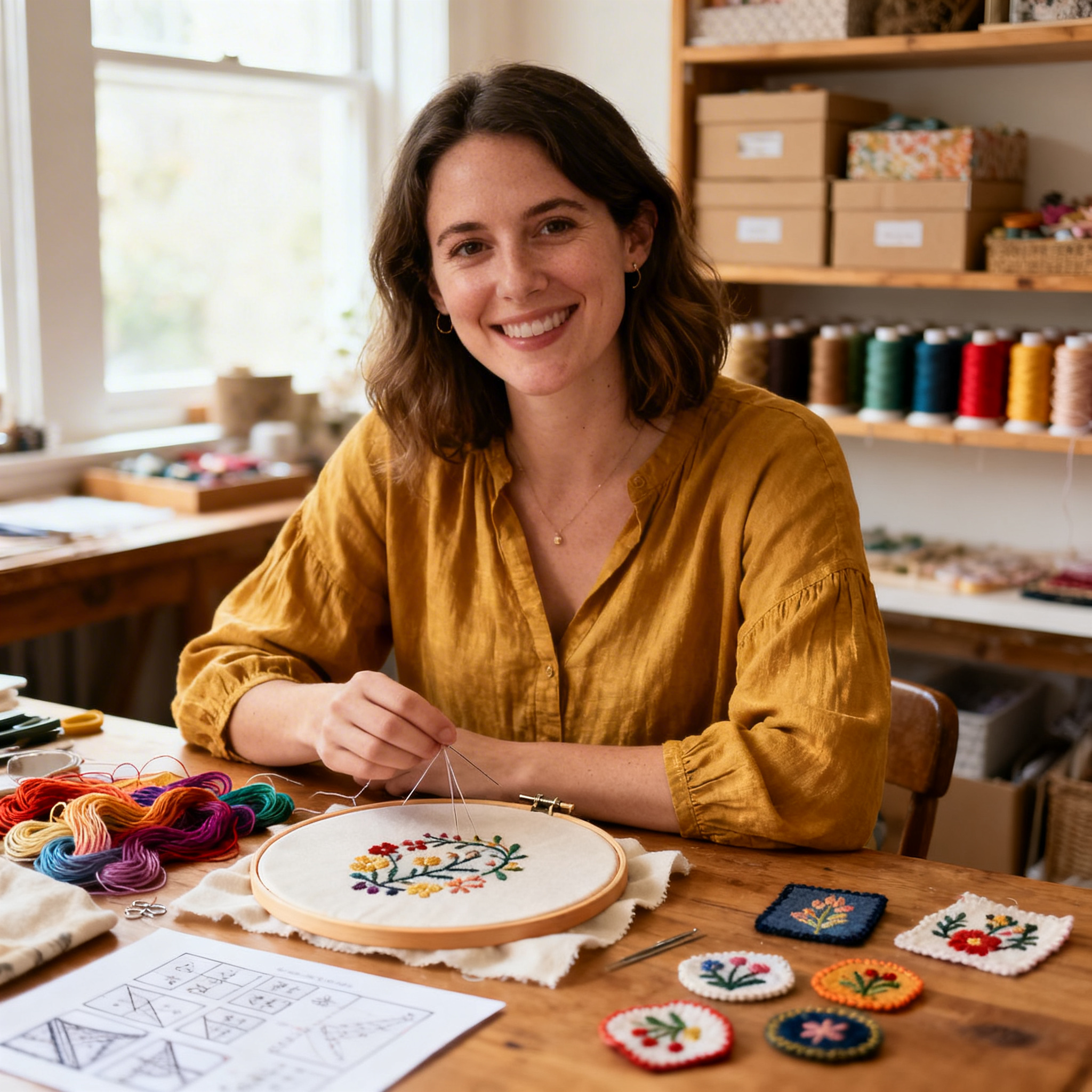
I’m Sophie Caldwell, the author behind granaboom.com, and I believe hand embroidery is one of the simplest, most relaxing ways to create something beautiful with your own hands. I started this blog to help beginners learn hand embroidery without feeling overwhelmed by complicated instructions or “perfect” results.
Here you’ll find beginner-friendly guides to decorative embroidery stitches, along with clear step-by-step practice ideas and patterns you can use to build confidence. My focus is on making the learning process easy: simple explanations, helpful stitch combinations, and small projects that look polished even when you’re just starting out.
Welcome to granaboom.com—grab your hoop, choose a few colors, and let’s stitch one line at a time.