Modern Sashiko: Contemporary Designers Reinventing a Traditional Art
Your sashiko basics and history
Sashiko is a dance of tiny stitches that strengthens fabric and tells a story. In Japan, it began as a practical craft for warmth and durability, then grew into a respected art form. You’ll see its influence in everyday garments and home textiles, carried on by makers who value function and beauty alike. Learning sashiko blends care, craft, and culture into every square inch of cloth.
Its roots lie in rural communities where fabric was scarce. Tiny stitches reinforced clothing and quilts, forming patterns that carried meaning and pride. Today, you bring that history into your projects, honoring the past while making something useful for your future. The key idea is that simplicity—tiny, steady stitches—adds up to durable, beautiful fabric you can be proud of.
Sashiko is about intention as well as technique: you stitch with purpose, and your garment carries a memory. Patterns echo local life—farming, weather, family—yet the spirit stays universal: warmth, structure, and beauty can come from modest tools. Embracing sashiko means joining a long line of makers who value patience, texture, and the quiet joy of sewing well.
What sashiko is
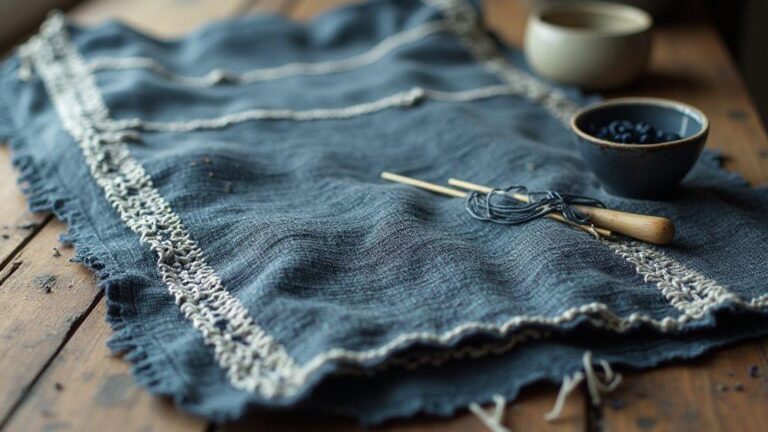
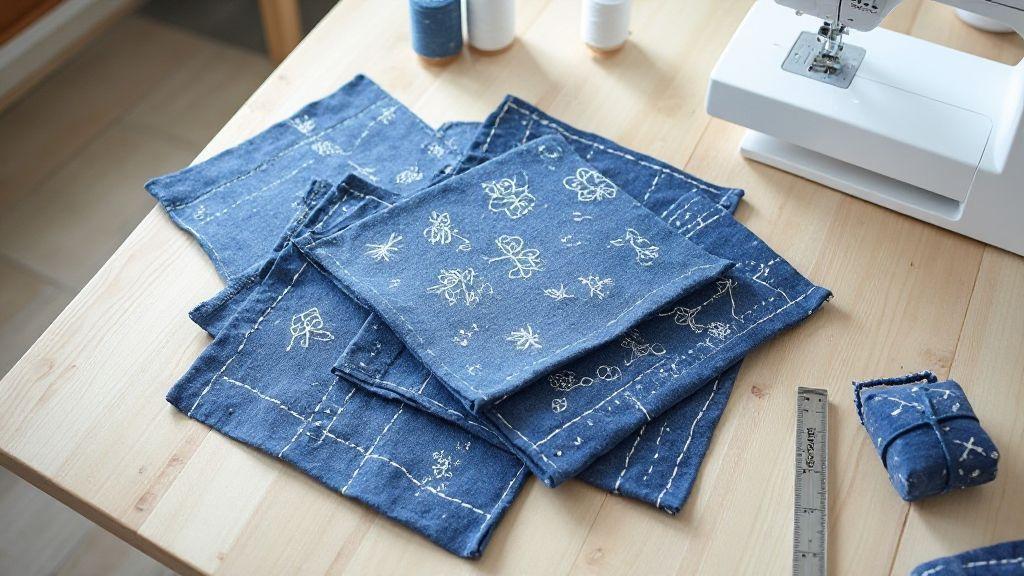
Sashiko is a simple running stitch used to reinforce fabric and create patterns. Start with thread, a needle, and fabric—often indigo or dark blue—to make the stitches pop. The beauty lies in repetition: rows of small stitches form a design that feels calm and precise. Use sashiko for repairs, mending, or decorative panels that add texture to clothes and home items. When you sew, you’re not just fixing a tear—you’re adding a layer of history to your fabric.
The core idea is contrast: light stitches on dark fabric or white threads on blue cloth look striking. Stitches are deliberately even, creating a rhythm that’s almost meditative. Patterns can be simple lines or intricate motifs, but the goal remains the same: strengthen the fabric while making something handsome. You don’t need fancy gear—just a needle, thread, and patience.
As you practice, you’ll discover two main parts: the stitches themselves and the pattern. The stitches are a method—the running stitch, sometimes with slight variations. The pattern is the message—geometric shapes, waves, and symbols that give your piece character. Together, they let you express culture and creativity in a tactile, personal way.
Common traditional patterns
Patterns in sashiko follow clear, repeating shapes—grids, diamonds, and lines that create order on fabric. Motifs include geometric forms like squares and triangles, plus symbols drawn from nature such as waves or plants. These patterns aren’t random; they tell a story and guide your stitching. When you choose a pattern, you’re selecting a mood—tight, orderly lines for a precise look or flowing curves for something more organic.
Many traditional patterns are designed to be stitched in straight lines across fabric, making sashiko beginner-friendly. You can map designs with chalk lines or thread tracing. Patterns also invite you to push your limits by combining motifs, adjusting scale, or varying stitch density to create texture. Your sashiko project becomes a quiet, personal canvas that reflects your taste and skill.
Regional flavors appear as you grow: some neighborhoods favor dense grids, others lean toward wave motifs. You might adapt a pattern to fit a sleeve, pocket, or quilt panel. The beauty is making it your own while keeping tradition alive—a bridge between past and present that honors heritage while adding your voice.
Key sashiko stitches
The key stitches in sashiko are simple and purposeful. The running stitch forms the backbone, creating clean, even lines. You’ll also encounter longer variants for covering larger areas smoothly. The trick is to keep stitches uniform in length and tension so the final fabric lies evenly. Mastery comes with steady practice, letting you tackle detailed patterns with confidence.
This technique centers on steady hands and patient practice. Space stitches evenly and pull just enough to secure the thread without puckering the fabric. As you improve, lines become crisp and patterns deliberate, yielding a calm, durable textile that breathes with you.
You’ll notice the texture your stitches create—you can feel it with your fingertips. Because the stitches are small, you can mend and extend beloved garments, turning worn areas into features rather than flaws. This practical beauty keeps sashiko alive in modern studios and cozy homes alike.
How you use modern sashiko techniques
Weave modern sashiko into everyday projects, turning simple stitches into statements you’ll wear or display. Bold geometric patterns and fresh color combinations nod to tradition while feeling new. Start with a plan: pick a motif you love, choose a fabric as your canvas, and decide how dense your stitches should be for the effect you want. The aim is to make it yours, not a museum piece—balancing sturdiness for daily use with beauty for display.
Sashiko is about telling a story with each line. Sketch your design lightly, then trace it with kanoko stitches or running stitches that suit your mood. Smaller stitches read as delicate; larger ones feel bold and modern. By mixing patterns, you create rhythm: a traditional grid beside a playful curve. The technique becomes a dialogue between old skill and your taste, making your work stand out.
Treat sashiko as a toolkit and you’ll keep growing. Experiment with repurposing old jeans, tote bags, or cushions into pieces that shout today. Thread choices—linen, cotton, or metallics—add texture and tone. As you gain confidence, design projects that blend heritage with your lifestyle, showing that modern sashiko breathes with your world.
Sashiko embroidery reinvented
Sashiko embroidery is getting a fresh look with sharper contrasts and new shapes. Designers pair traditional running stitches with contemporary lines or asymmetric layouts that feel like art. Reinvention lets you push boundaries while honoring the craft. Borrow a classic grid, then break it with a bold diagonal or a pop of color, turning your piece into a bridge between eras.
Today’s sashiko blends minimalism and maximalism in clever ways. Pair a quiet, narrow line with a large motif for drama, or use bright colors on dark fabric to make the pattern pop. The result is dynamic pieces you can wear to stand out or gift to someone who values craftsmanship. Modern designers prove you can honor tradition and embrace trend at once.
Hand vs machine methods
Hand work feels intimate and meditative, with every stitch bearing your touch. Hand sewing lets you adjust tension in real time and adds a personalized wobble that makes each piece unique. It’s slower, but the tempo matters when you want a piece that echoes patience and care. If you’re after a calming project, hand sashiko rewards you with a tangible sense of progress.
Machine methods offer speed and consistency, ideal for bulk projects or gifts with a clean, crisp look. You can set up repeat patterns so lines stay perfectly even, helpful for multiple items with the same design. Both approaches have value; your choice depends on the feel you want and your schedule. You’ll likely mix them: hand stitches for the centerpiece and machine quilting for the background to stay efficient without losing heart.
Tools and materials
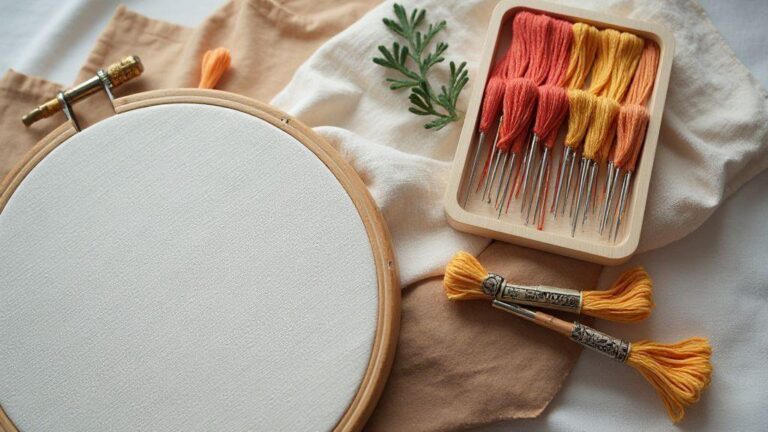
Reliable tools make the process smooth. Start with a sharp needle, strong thread, and sturdy fabric, plus a light source that doesn’t strain your eyes. A small thimble, a fabric pen for transfer lines, and a steady hoop or frame to keep fabric taut are invaluable. Material choices set the mood: linen for a crisp look; cotton for coziness; denim for edge. With the right setup, you’ll glide through stitches and feel confident with every line.
How contemporary sashiko designers inspire your style
Sashiko isn’t a museum piece; it’s a living language you can wear. Contemporary designers show off bold contrasts, minimal lines, and playful motifs that honor tradition while feeling current. This blend connects you to generations of makers and keeps your wardrobe fresh. Modern Sashiko: Contemporary Designers Reinventing a Traditional Art proves you can honor history and claim your own voice.
Designers mix white-on-indigo with unexpected hues and fabrics. It’s not about replacing a folk craft but giving it a modern voice you can recognize in your closet. Pieces look intentionally handmade, even in daily wear. You may spot grids on denim or stitched pockets on jackets, and think: this is doable in your own projects. Your choices matter when you support designers who honor the craft.
You’ll see restraint paired with expression. A few stitches can be a bold statement; a simple line can carry a world of meaning. This invites you to experiment at your pace, whether patching a backpack or paneling a wall hanging. Your imagination is the limit as you adapt sashiko into everyday life.
Contemporary sashiko designers at work
Designers start with a clean sketch and a strong color plan. They pick fabrics that take the stitches well—sturdy cottons that hold shape and show texture. Spacing, density, and needle size influence the final look. It’s not about perfect symmetry; it’s about rhythm, like a heartbeat stitched into fabric. This deliberate approach helps you plan your own projects with confidence.
Many designers blend traditional motifs with modern symbols or pops of color. A classic grid may cradle a floral twist, or a digitized motif may ride alongside hand-stitched lines. You don’t have to copy them; use their ideas to spark your own fusion. By observing how pros layer elements, you’ll build cohesive, personal pieces. Your hand can carry the story you want to tell.
Practical tricks you’ll notice include stabilizing fabric, choosing thread weights, and keeping stitches uniform on larger garments. Contemporary designers test new tools and easy-to-find materials to keep sashiko approachable. You’ll feel encouraged to experiment, knowing small steps yield big results.
Sashiko in contemporary fashion
Today’s sashiko shines on ready-to-wear—from jackets to tote bags—visible as a stylish detail rather than sadece a repair. It acts like a signature that signals care for craft and durability. In your closet, this feels honest and modern.
Designers pair sashiko with trends like minimalist silhouettes, oversized pockets, or varied textures. A sashiko panel can elevate a plain tee, while a stitched pocket becomes a focal point on a denim jacket. You can adapt these ideas to your own wardrobe.
Sashiko also appears in accessories and home goods, proving its versatility beyond clothing. A stitched cushion or a bag with careful lines feels timeless and current. Everyday items can carry a sense of art.
Bring sashiko-inspired home decor into your room
Sashiko’s calm, geometric motifs can transform your space. Start small with a cushion cover or wall hanging, then layer in larger pieces as you gain confidence. Crisp white-on-navy patterns feel clean and timeless, helping your room look organized even before you add other decor. Choose sashiko-inspired pieces to invite a quiet, methodical energy into your space.
Sashiko designs pair well with styles from minimalist to cozy boho. For modern spaces, opt for bold, high-contrast patterns; for rustic rooms, choose softer blues and creams that echo traditional textiles. A single sashiko-inspired throw can anchor the room, and balance is key—let the geometry speak while other textures stay muted. With the right balance, your room feels intentional, calm, and inviting.
Sashiko-inspired home decor ideas
Pick a canvas you can see daily—a wall hanging, a small runner, or a set of pillows in white and deep indigo to make a bold statement. You can also apply sashiko embroidery to lampshades or storage bins for subtle touches. For a bigger impact, create a gallery of three or four framed fabric panels arranged on a wall. A few well-chosen pieces can transform an ordinary room into one with personality.
Practical pieces matter too: a sashiko-inspired tote by the entryway or a lamp shade with diagonal stitches can add depth at night. Embroidery can be decorative and functional, turning everyday items into small acts of beauty.
Mix sashiko with modern interiors
Contrast and restraint are key. A single sashiko motif on a chair cushion or a geometric panel can anchor a room that’s otherwise clean and spare. Let the embroidery be the hero, with the rest of the space quiet—solid colors and clean lines. You’ll be surprised how the careful stitching invites slower, more appreciative viewing when the room isn’t overwhelmed by busy patterns.
Pair sashiko with glass, metal, or matte wood to keep the look contemporary. The crisp lines harmonize with hard-edged furniture and minimal decor, creating a balanced vibe. If your furniture is light, a deep-indigo sashiko piece adds depth without muting brightness. A simple indigo throw on a neutral sofa can signal your direction.
Color is a tool too. A neutral backdrop lets sashiko shine, but a few small color pops—like a blue cushion, teal vase, or mustard lamp—keep the room fresh. The goal is to keep sashiko feeling intentional, not nostalgic, by grounding it in today’s palette and materials. The style evolves as you live with it.
Mixing patterns safely
When mixing patterns, keep scales in check. Start with one large motif and pair it with smaller, complementary ones so the room reads cohesive. If you’re combining sashiko with other embroidery, choose patterns that share rhythm—straight lines, repeating motifs, or geometric themes—to avoid clashes. Test arrangements on a rug or wall before committing. You want your room to feel deliberate, not busy, and the right balance makes your design pop.
Adopt sustainable sashiko practices for your projects
Sashiko can be a mindful way to care for what you own. Plan your project to minimize waste. Choose simple patterns that fit the fabric you have, and sketch your design to avoid mistakes. This respects the fabric, your time, and the planet.
When mending or decorating, consider the life of the material. Patch holes instead of discarding the item, keeping clothes in use and reducing new purchases. Sustainable sashiko is not just technique; it’s a habit you carry into every craft choice.
Visible mending turns repairs into design features, using strong stitches and contrasting threads to tell a story on the fabric. Upcycling turns old pieces into something fresh and distinct, like a worn tote becoming a sturdy, stylish bag with sashiko lines.
Choosing sustainable threads and fabrics
Choose natural fibers—cotton, linen, or hemp—to ensure easier end-of-life breakdown. Look for sturdy fabrics that endure repairs, so sashiko work lasts longer. Quality choices improve how the needle slides and how stitches sit on the surface.
Shop with longevity in mind: buy less, buy better, and explore recycled or upcycled fabric options to reduce waste while keeping projects interesting.
Care matters too—easy washing and gentle drying extend the life of your sashiko work, keeping colors vibrant longer and reducing replacements.
Environmental benefits
Sustainable sashiko means less waste, longer garment life, and reduced demand for new materials. Mending or upcycling lowers your environmental footprint and supports a slower, more thoughtful craft culture. Durable fabrics and repair-friendly threads cut micro-waste and let stitches stand as a quiet protest against fast fashion.
Advance sashiko pattern innovation with respect
You can push sashiko patterns forward while keeping its soul intact. Patterns evolve from simple geometric lines to complex textures that tell a story. When choosing a motif, consider its meaning to you and the culture it comes from. Honoring tradition makes modern work feel earned, not generic.
Small changes go a long way. Pair classic stitches with new fabrics, threads, or scales to create depth without losing sashiko’s quiet discipline. This balance—respectful homage plus fresh energy—lets your projects stand out while staying true to the craft’s roots. Your goal is to honor the old while inviting new eyes to love it, too.
Sashiko pattern innovation and motifs
Start with the classics—lines, geometric shapes, and grids—and push them with modern touches. A sashiko star in color blocking or a wave pattern in a gradient thread keeps the motif clear from afar while revealing details up close. The motifs can be memory-based or a nod to a place you’ve lived. Layer motifs by adding a modern center or a border in contrasting thread to give traditional patterns new personality.
Traditional sashiko meets modern design
Traditional sashiko sits comfortably beside contemporary design. A classic stitch grid paired with bold color blocking or sustainable fabrics creates a dialogue between eras. Keeping stitches restrained lets color, scale, and texture do the talking, producing quiet yet powerful pieces that feel familiar yet new.
If you want a punchy effect, swap a dark thread for a bright one in a familiar pattern. The change is striking but respectful, showing how timeless lines can glow in a modern frame. Your designs should invite others to learn from them, not merely copy.
Credit and cultural sensitivity
Always acknowledge where ideas come from. Name the origin, explain motif meanings, and respect the communities behind sashiko. This isn’t just etiquette; it’s essential to keeping the art honest. Your responsibility extends to using materials and methods that honor artisans and avoid appropriation. If unsure, ask, listen, and adjust. Handling tradition with care earns trust and invites others to explore with you.
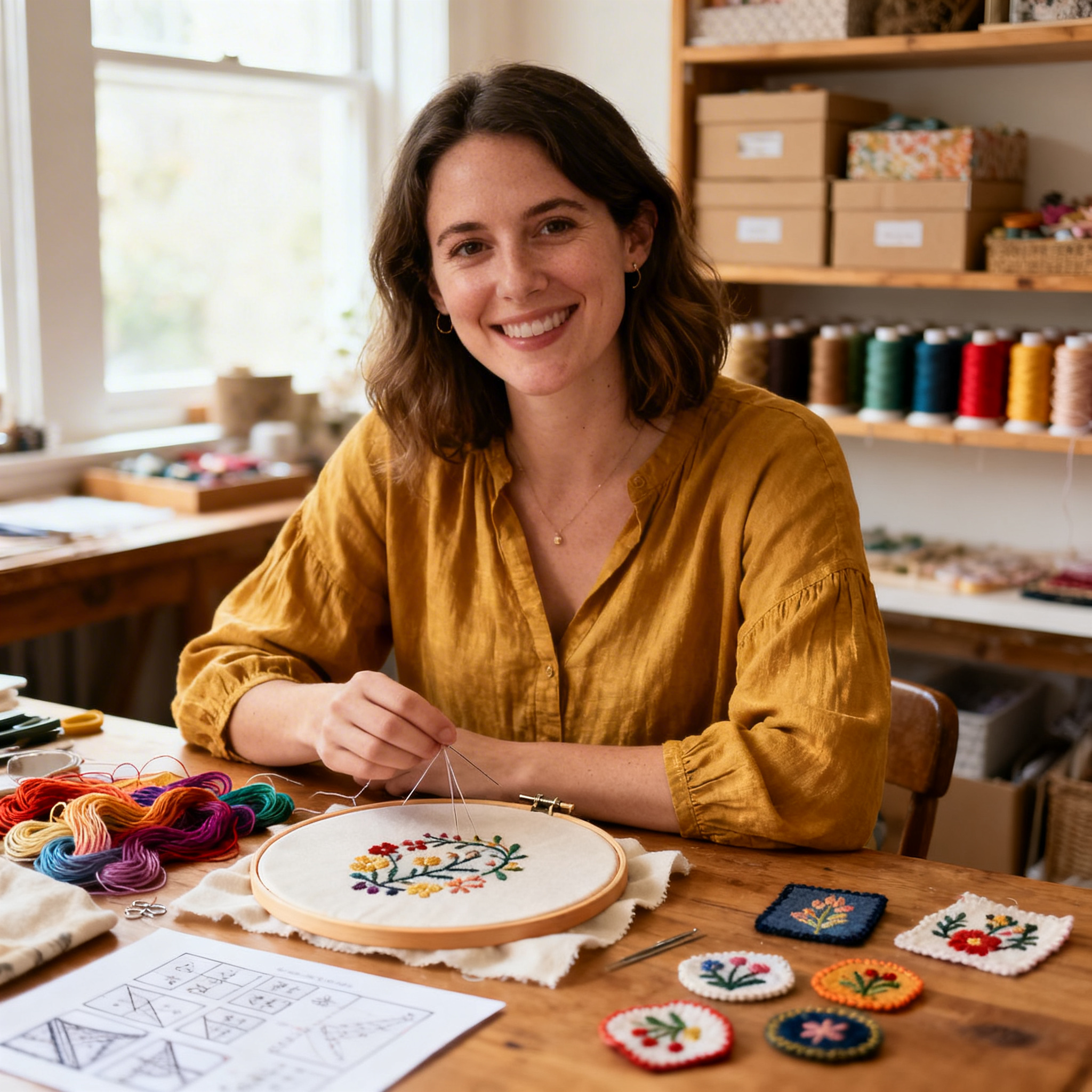
I’m Sophie Caldwell, the author behind granaboom.com, and I believe hand embroidery is one of the simplest, most relaxing ways to create something beautiful with your own hands. I started this blog to help beginners learn hand embroidery without feeling overwhelmed by complicated instructions or “perfect” results.
Here you’ll find beginner-friendly guides to decorative embroidery stitches, along with clear step-by-step practice ideas and patterns you can use to build confidence. My focus is on making the learning process easy: simple explanations, helpful stitch combinations, and small projects that look polished even when you’re just starting out.
Welcome to granaboom.com—grab your hoop, choose a few colors, and let’s stitch one line at a time.