Chinese Suzhou Embroidery: Silk Threads and Painterly Precision
Centuries-old Suzhou embroidery origins
Embroidery in Suzhou isn’t just stitching; it’s a heritage you can feel in every thread. The art began long ago, turning plain fabrics into glowing scenes that tell stories you can almost hear. When you look at Suzhou work, you notice silk so smooth it seems to glide, and colors chosen with a quiet, careful hand. This tradition stayed alive through centuries because the care and patience behind each piece was a gift passed from maker to maker. You’ll see how technique and patience create a calm, painterly effect you can recognize at a glance.
In those early days, people learned from family elders and village mentors. The craft spread slowly, yet your senses pick up the result: delicate stitches, tight lines, and a sense of motion frozen in fabric. The idea of watching a picture grow is real here, not just a saying. The more you study it, the more you feel that every knot holds a memory, every shift in shade a moment of light. That is the heartbeat of the Suzhou style.
Today’s fans still chase that same quiet precision you feel when you hold a finished work. The roots pull you toward a design language that values restraint and focus over loud show. If you want a touchstone for traditional embroidery, Suzhou offers a clear, patient path that reminds you why silk threads and careful hands create lasting beauty.
Roots in Suzhou city and Jiangsu province
You can trace the roots of Suzhou embroidery right to the city’s streets and gardens. The silk weaves you see in museums started as practical dress embellishment for people who lived by the water and markets of Jiangsu. You’ll notice how the city’s calm rivers mirror the calm lines in the stitches. The craft thrived when nearby workshops shared patterns and techniques, almost like a long, friendly chorus passing ideas back and forth.
The Jiangsu province gave you a steady backbone for the style. Across towns, makers borrowed motifs—natural scenes, flowers, and birds—that speak to a landscape you could walk through. Your eye catches how those motifs stay simple in composition but rich in texture. The continuity from one village to the next helped keep the technique intact, so you’re not just looking at pretty cloth; you’re seeing a map of local life.
As you compare pieces from different towns, you’ll notice the same quiet discipline. The stitches may vary in flavor, but the patience stays the same. That shared discipline shows you why Suzhou embroidery feels like a family craft, passed from grandmother to granddaughter with a nod of approval and a story tucked into every seam.
Growth in Song, Ming, and Qing eras
During the Song era, embroidery moved into more refined portraits and landscapes. The work shifts from utilitarian to painting-with-thread, inviting you to ask how the scene breathes. The threads glide, and the colors sing in a restrained harmony.
In the Ming era, the craft found new patrons and a larger stage. You’ll notice bolder designs and more complex shading, yet the discipline stays: clean outlines, careful fills, and smooth transitions. The work invites you to study the layers, to see how depth is built with thread alone. You might imagine a quiet studio where a master guides a student through a delicate bead of color.
By the Qing era, Suzhou embroidery had become a national treasure. Your gaze lands on works that feel both grand and intimate. The motifs broaden to canvases of everyday life and courtly scenes, but the hand remains the same: careful, patient, and precise. You get a sense of continuity, like hearing an old song played faithfully across generations.
Museum collections and documented heritage
Museums keep the record of Suzhou embroidery alive for you. When you explore a collection, you’re meeting examples that have survived weather, time, and changing tastes. The pieces tell you where techniques came from and how they evolved. You’ll see the balancing act between thread, fabric, and pattern that makes the Suzhou style recognizable.
In documented heritage, you find the notes behind the stitches. Descriptions show you the tools, the materials, and the steps used by workers long ago. The details help you understand why a single piece feels so carefully planned. The more you read, the clearer it becomes that this is not just art; it’s a living archive of skill passed down through families and workshops.
This lasting record helps you connect the past with today. When you encounter a modern piece inspired by Suzhou, you’ll notice the same core ideas—silk threads, painterly precision, and a respect for quiet beauty.
Silk threads and tools used in Suzhou work
You’ll find the magic starts with the threads. Mulberry silk is the heart of Suzhou embroidery, chosen for its smooth sheen and tight twist that lets tiny stitches sit neatly. When you run your finger along a spool, the silk feels cool and crisp, not rough. That texture matters because it lets your needle glide with less snag, so your detail stays crisp. You’ll notice the color depth is rich but subtle, like a well-tuned piano: every note (or stitch) lands squarely. For fine detail, you want a thread that barely whispers as it passes through fabric, and mulberry silk does just that. In Suzhou work, you’ll use threads in many weights, but the finest are the ones that show painterly precision without looking harsh or stiff. The result is a surface that reads with quiet, luxurious glow, not loud shine.
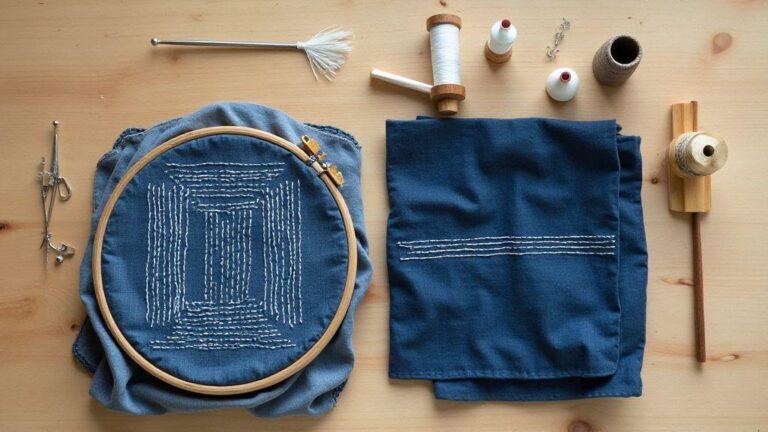
As you choose tools, you’ll see frames, needles, and dye methods each play a role. Frames keep the fabric taut, letting your stitches sit evenly. If the frame is too loose, your work puckers and your lines blur; if it’s too tight, your hands tire fast. The needles matter too: tiny eyes and fine points let you pull silk through without snagging, giving you that smooth, almost whisper-thin line you want for delicate motifs. Dyeing methods in Suzhou embroidery lean toward colorfast, layered hues that glow under light rather than scream. The dyes are chosen not just for color but for how they interact with silk’s natural luster, so your petals look alive from every angle. With the right frame, needle, and dye, you get a balanced look where texture and color work in harmony.
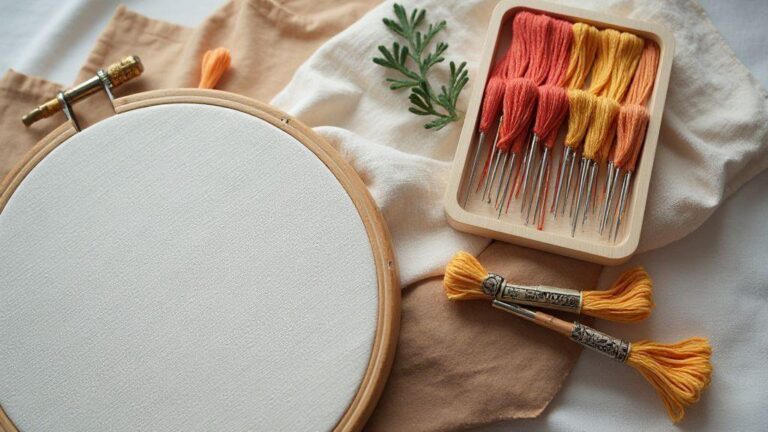
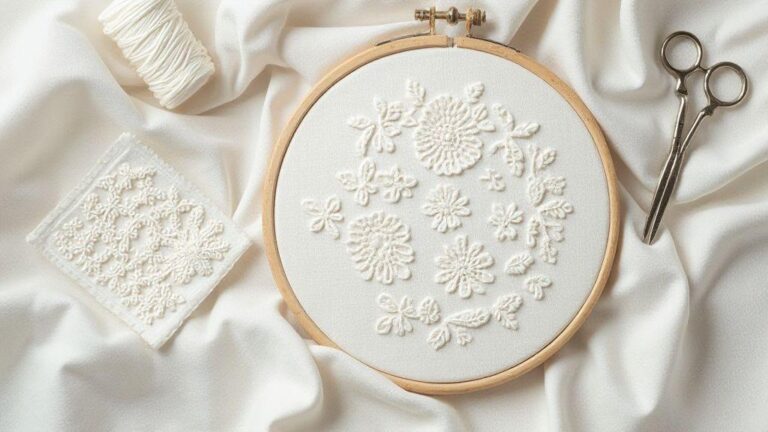
When you’re setting up, you’ll want a careful material kit. The typical material checklist includes silk threads in several weights, a small set of fine needles, a sturdy, properly sized frame, and light-fast dyes. You’ll also want fabric with a tight weave so the stitches stay neat and your patterns stay sharp. Keep a pair of small scissors, thimbles if you like them, and a clean work surface to prevent lint from clouding your stitch lines. With these basics, you’ll feel ready to tackle the painterly precision that defines Chinese Suzhou Embroidery: Silk Threads and Painterly Precision.
Mulberry silk thread for fine detail
Mulberry silk is your go-to for fine lines and soft shading. The thread’s natural sheen helps create subtle transitions that resemble brushwork. When you stitch, you’ll notice the thread lays flat and smooth, so tiny details don’t bunch. For fine detail, you’ll typically use lighter weights, almost hair-thin, to keep each stitch precise. This lets you build layered depth without making the surface feel bulky. If you’re chasing a delicate petal or the fine whisker on a bird, mulberry silk keeps your edge clean and your color true. Practice helps you learn the tension that keeps threads from flaring at the fabric edge, so your work stays neat and readable from a few steps away.
Frames, needles, and dyeing methods
Frames hold your work steady, which makes the needle’s path predictable. A good frame reduces fabric wrinkles and helps you sew with consistent tension. Needles come in small sizes for fine lines and slightly larger ones for bolder details. The trick is to switch thoughtfully: use the smallest needle you can handle without skipping threads. Dye methods in Suzhou embroidery aim for depth without muddying. Layer colors cleanly, letting each tone meet the next like a brushstroke. You’ll get a harmonious palette that reads painterly rather than printed. When you pair the right frame, needles, and dyes, you unlock the quiet precision that defines this art.
Typical material checklist for buyers
- Silk threads in multiple weights (especially fine mulberry silk for detail)
- Fine needles suited to silk and tight weaves
- A sturdy frame sized to your fabric
- Light-fast dyes and a small palette for blending
- Clean workspace, scissors, and thread conditioner if you use it
- Fabric with a tight weave that won’t shed threads
Core Suzhou stitch techniques you should know
You’ll discover how simple choices in stitches create depth and feeling in Suzhou embroidery. Think of it as painting with thread, where every stitch adds light, shade, and texture. When you start, you’ll feel how your work shifts from flat outlines to something that breathes. The key is to practice the two main ideas: how the thread sits on fabric and how your stitches flow to mimic real shadows. As you grow, you’ll see how small adjustments in tension or stitch length can change the whole mood of a scene.
You’ll also notice that Suzhou stitch work rewards patience. You don’t rush the threads; you let them guide you. If a line looks stiff, you soften it with a longer stitch or a lighter thread. If a shadow feels too harsh, you blend it with more threads or a different stitch. This approach keeps your pieces lively, with a painterly feel rather than a stiff outline.
Finally, you’ll realize these techniques aren’t just about pictures. They’re about telling a story through fabric. Your choice of stitches, colors, and spacing speaks to the scene you’re depicting—flowers, landscapes, or portraits. With practice, your work can carry the quiet elegance that makes Chinese Suzhou Embroidery: Silk Threads and Painterly Precision feel effortless and timeless.
Long-and-short stitch for painterly shading
Long-and-short stitches are your main tool for soft shading. You’ll place long threads in one direction and shorter ones beside them to build gradual tones. This lets you create smooth transitions, like how light fades into shadow on a petal. The trick is to start light and slowly add depth, layer by layer, so the color feels natural rather than painted on top. When you switch colors, keep the thread direction consistent to avoid abrupt edges.
As you practice, you’ll notice the stitch length matters. Shorter stitches create rough texture, while longer ones glide to a softer finish. Use this to your advantage: denser areas for darker tones, looser areas for highlights. The thread type also changes the feel; silk threads give a plush glow, while cotton adds a matte grain. With careful control, you can mimic the subtle transitions you see in real light.
You’ll also learn to blend edges where tones meet. Overlapping stitches can soften borders, but you must balance coverage so the fabric still shows through. A painterly result comes from listening to the image: where you want smooth blends, keep a steady hand and keep the weave even. In time, you’ll be able to reproduce delicate shading with confidence, like a watercolor but with thread.
Split, seed, and satin stitches in practice
Split stitches give you clean, tidy lines without a hard edge. You’ll split a single thread to create a crisp outline that holds color inside. It’s your go-to for delicate contours around petals and leaves. Seed stitches fill tiny areas with a speckled texture that reads as soft ground or stippato shading. Satin stitches layer smooth ribbons of color, perfect for glossy petals or metal highlights. Together, they build a rich surface that reads well from a short distance.
In practice, you’ll switch between these stitches to control texture. Use split stitches for defined shapes and seed stitches for subtle tonal variation in small spots. Satin stitches shine when you need a solid area of color with a gentle sheen. Don’t overfill; leave some fabric show-through to keep the embroidery breathing. The combination gives you depth without sacrificing clarity, which is essential for bold, painterly scenes.
You’ll soon see how stitch placement changes the story. A tight line with satin can suggest a sharp edge, while a looser blend with seed stitches softens it. Your threads will become your brushstrokes, and your fabric the canvas. Remember to test on scrap fabric first, so you know how the colors merge before you commit to your main piece.
How stitch choices shape the image
Stitch choices drive the mood, structure, and texture of your embroidery. You’ll notice that long-and-short shading leans into soft, continuous light, while split and satin stitches offer crisp edges or bold blocks of color. Seed stitches add the subtle noise that makes a surface feel real. The balance between these options shapes whether your image reads as luminous and delicate or strong and graphic. Your choices control how viewers interpret the scene.
Keep in mind color transitions. Gradual blends come from layering many small moves, not one heavy sweep. You’ll build a sense of form by where you place lighter threads and where you anchor darker ones. The fabric’s bias and the thread’s sheen will also affect the final look, so treat the material as part of the design. With intentional stitch choices, you’ll craft images that feel alive—like you’re guiding light through silk.
Painterly embroidery and common motifs
You will notice painterly embroidery style when stitches flow like brushstrokes across fabric. This approach uses long, looser lines and subtle shading to give a soft, watercolor feel. You’ll often see palettes that blend greens, blues, and earth tones to evoke a painting rather than a strict, flat image. The key is rhythm: stitches build depth, shadows hint at light, and your eye reads motion even in still thread. When you practice, start with a simple scene and layer color gradually, just like you would on canvas. A painterly look pops when you balance bold focal points with gentle background hints, so the piece breathes rather than shouting.
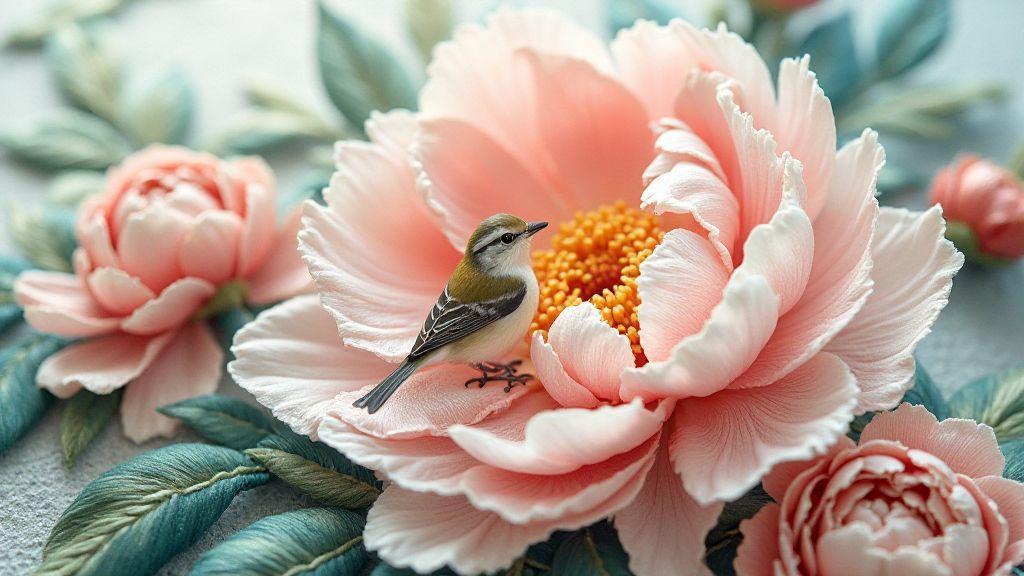
Motifs in painterly embroidery often come from daily life and landscapes. You’ll find birds in mid-flight, delicate blossoms, or a quiet hillside roughed in with quick stitches. These motifs feel alive because the edges aren’t razor-sharp; they blur softly, inviting your eye to fill gaps. Use feather or stem stitches to imply leaves and petals, letting light pass through threads to suggest translucence. The result is an artwork you can swing between bold color blocks and muted, misty tones, just like a painting left to dry on an easel.
If you want a practical tip, practice on scrap fabric first. Try a small scene: a bird perched on a branch with a few blooms. Use varied thread thickness to mimic watercolor depth, and don’t fear overlaps. When you finish, step back and ask, does the image feel alive? If yes, you’ve captured the painterly vibe in embroidery.
Nature scenes: birds, flowers, and landscapes
A nature scene in embroidery shines when you layer color and texture. Start with a light fabric base and sketch your outline in chalk, so you keep proportions right as you stitch. Birds can become characters in your scene with quick, confident stitches for bodies and skinnier stitches for legs and beaks. Flowers sing when you blend threads to create gentle shading on petals. Use satin stitches for petals and a few French knots for centers to add tiny, bright highlights that catch the eye.
Landscapes let you stretch your technique. A distant hill works best with lighter threads and fewer details, so the eye can travel from foreground to background. For trees, mix long and short stitches to imitate the varied branches and leaves. Water can glow with a touch of metallic thread or a light blue thread that you glaze over lightly. Remember to keep the horizon straight and let your brush-like strokes lead the viewer’s gaze across the scene.
Birds and flowers pair beautifully in a single piece. You can place a bird mid-flight above a blooming branch to create movement, or nestle a small bird near a cluster of blooms for charm. Practice bold silhouettes against a soft sky to create contrast that still feels gentle. Your goal is to invite the viewer to pause and notice tiny details, not just the whole picture.
Fine silk embroidery patterns and color blending
Fine silk threads give you shine and depth that other fibers can’t match. You’ll want a smooth, even tension to avoid puckering, especially when you work with sheer or delicate fabrics. Color blending is your secret weapon: layer colors gradually, start with light tones, then build darker shades where shadows live. Silk takes dye beautifully, so you can experiment with subtle transitions between hues to achieve a natural, painterly look.
When you map your color plan, group similar tones together. Create a small swatch card for yourself: note which shades mix well and which combinations feel muddy. This saves time later and keeps your piece cohesive. A little contrast goes a long way—use a slightly brighter thread for the focal area to make it pop, while keeping the surrounding areas soft and harmonious.
If you want a practical example, try a silk blossom with a gentle gradient from pale pink to deeper rose. Start with the light color as your base, then stroke in the darker shade along the edge of each petal. The final effect is velvety petals that catch light just right, giving your embroidery a refined, nearly tactile quality.
Why motifs reflect local culture
Motifs reflect local culture because people tell stories with threads just like they tell stories with words. You’ll notice birds, flowers, and patterns that come from the land you live on, the climate you know, and the crafts you learn from elders. A village motif might show crops or tools that were common in daily life, while a coastal design could feature waves and shells. Your own embroidery becomes a map of origin, a tiny museum you carry on fabric.
Choosing a motif connects you to traditions. You’ll find that color choices, line styles, and stitch types carry histories—what once symbolized luck, harvest, or protection. When you stitch with these meanings in mind, your work gains depth and resonance. It’s not just pretty; it’s a conversation with people who first spun these threads long ago.
Caring for and authenticating hand-stitched silk art
You want your hand-stitched silk art to stay vibrant and true to its roots. Start with gentle handling: silk is delicate, so keep oils from your hands off the fabric and store pieces in a cool, dry place. When you display, avoid direct sunlight for long periods, and choose a frame with UV-filtering glass or acrylic. Dust sparingly with a soft brush or a microfiber cloth, never rub hard. If a piece is mounted, check the backing and frame regularly to prevent moisture buildup, which can loosen stitches or cause mold. Treat each piece like a small treasure—your care determines how long the colors stay bright and the stitches stay crisp. Authenticity matters, and the way you store, display, and clean will tell you how well the work has aged.
If you’re unsure about a piece’s origins, start with basic checks: look at the uniformity of stitches, the type of fabric, and the dye quality. Hand-stitched silk shows variation in tension and stitch length, but it should still feel deliberate, not sloppy. Compare borders and motifs to known styles from the region. For Chinese pieces, pay attention to signature threads and traditional knotting. If you spot fading in a way that looks inconsistent with light exposure, or if the silk feels brittle, you may be looking at a later reproduction or a damaged artifact. Treat any doubt as a sign to seek more expert guidance rather than guessing its value or origin.
To keep your collection honest and healthy, document provenance, care steps, and any repairs. Keep a simple log with dates, conditions, and who handled the piece. When you buy or inherit a silk work, note the materials used, the stitching technique, and the likely region. These details help you judge authenticity over time and guide future restoration work. If you decide to restore, only work with conservators who specialize in silk and traditional embroidery. Your goal is to preserve the original look, not to modernize it. By staying vigilant, you’ll protect both your investment and your connection to the craft.
Simple cleaning and display tips for silk pieces
Cleaning silk needs a light touch. If dust sits on the surface, use a soft brush with gentle, sweeping motions. For stubborn spots, test a tiny, hidden area first with a mild, pH-neutral solution. Never soak silk; water can weaken threads and fade colors. If you must wet-clean, use distilled water and work slowly from the outside in, then lay the piece flat to dry away from direct heat. Once dry, your silk should feel supple, not stiff. For display, choose mounts that support the fabric evenly and avoid pin marks or glue that could stain or distort the threads. Keep humidity steady, ideally around 40–50%, to prevent silk from shrinking or swelling. Your goal is clean, calm presentation, not dramatic preservation tricks.
When framing, use acid-free mats and backing. Avoid adhesive tapes that touch the fabric. If you’re hanging silk, support the weight with a method that leaves the piece without puckering. Consider a shallow inset frame with soft UV-filtering glass to slow sun fade and maintain color fidelity. For textiles with heavy stitching or dense embroidery, a loose mount can prevent stitching strain. Your display choices should honor the work’s integrity while making it easy to view the craftsmanship up close. Gentle handling and thoughtful display let you enjoy the painterly beauty without risking damage to silk threads.
Signs of genuine traditional Chinese needlework
Look for silk with a natural sheen that catches light in a soft, lustered way, not overly glossy. Genuine Chinese traditional needlework often shows careful, deliberate knotting and a rhythm in the stitches. The threads may have slight color shifts due to natural dyes, giving a subtle, uneven depth across the piece. Borders and motifs reflect regional styles—you might notice specific flower patterns, pagodas, or landscape scenes that align with Chinese embroidery traditions. Pay attention to the back: authentic pieces usually show a neat, continuous thread flow without loose ends wildly sticking out. If the reverse looks chaotic or stitched with modern shortcuts, you might be looking at a reproduction.
Dye quality is another tell. Natural dyes age with character, producing gentle, warm tones that mellow over time. If colors look unnaturally bright or uniform, question the piece’s age or origin. Compare stitching density and tension: traditional works often have a consistent, patient hand, with small, even stitches that reveal practiced skill. Finally, listen for the story in the piece: motifs, composition, and color choices should feel rooted in a regional tradition rather than a generic design. These cues help you separate authentic heritage from modern imitations.
When to seek expert appraisal
If you’re uncertain about value, origin, or condition, reach out to a trusted textile conservator or an appraiser who specializes in embroidered works. An expert can assess stitching technique, fabric aging, dye stability, and mounting, and tell you whether a piece is original Chinese Suzhou embroidery or a later reproduction. Bring any provenance notes, purchase receipts, and photos under good lighting to the appointment. Ask for a written report that covers authenticity, condition, and conservation needs. If you plan to insure or sell, get a professional appraisal in addition to a market check. Your piece deserves precise guidance, and expert eyes can save you from costly mistakes.
Contemporary Suzhou artists and global links
In today’s scene, you’ll find Suzhou embroidery leaping from local ateliers into global conversations. Living artists mix classic silk threads with modern subjects, and you’ll notice the dialogue between old and new in every piece. Their studios host visitors who want to learn the feel of a soft, taut stitch and the glow of fine silk under light. You can sense a bridge forming as artists share patterns with makers from other countries, and you’ll feel the pride of a craft that travels far beyond its birthplace.
You’ll see that Chinese Suzhou Embroidery: Silk Threads and Painterly Precision isn’t stuck in one place. Artists in Suzhou now pair traditional motifs with contemporary ideas—think cityscapes, imagined creatures, and abstract forms—while keeping the minute, painterly detail that makes embroidery sing. The links to global embroidery hubs are not just about trade; they’re about shared curiosity. You’ll notice collaborations that pair Suzhou handwork with textile artists from elsewhere, creating new textures and stories you can touch.
As you explore, you’ll find a growing network of galleries and online platforms that showcase these artists. This isn’t just a local pride—it’s a global invitation. You’ll see exhibitions that travel, workshops that welcome international students, and partnerships that put Suzhou embroidery on a wider map. If you’re curious about where your own craft could lead, these links show you how a single thread can connect continents.
Living masters and contemporary Suzhou embroidery artists
You’ll meet living masters who keep the old methods graceful while guiding new hands toward fresh ideas. They emphasize patient, even stitches and the soft sheen of silk threads, but they also teach you to see humor and character in a piece. These mentors remind you that mastery isn’t about speed; it’s about capturing light, texture, and mood with careful needlework. When you study their work, you’ll notice how tradition sits comfortably beside today’s images and stories.
Contemporary Suzhou embroidery artists push the craft forward by choosing bold subjects and new materials without losing the signature control you expect. You’ll spot layers of color built with fine threads, the painterly sense that makes each piece look like a painting you can wear. Some artists experiment with mixed media, while others refine a single motif across multiple panels. You’ll sense the pride they take in every stitch, a quiet confidence that says: this craft can grow and still stay true to its roots.
Comparisons with folk embroidery styles worldwide
When you compare Suzhou embroidery to folk styles across the globe, you’ll find shared love for color and storytelling in fabric. Folk embroidery tends to tell local myths, daily life, and landscapes, and Suzhou holds to similar goals in its meticulous detail and layered shading. You may notice Suzhou’s painterly precision—soft gradations and delicate light—contrasted with bold, narrative lines you see in other regions. The result is a conversation you can hear in stitches, not just in images.
As you study different traditions, you’ll recognize how each culture uses threads to imitate painting. Some lands favor bright, blocky forms, while Suzhou often leans toward subtle tonality and the shimmer of silk. Yet the common thread is care: you get a sense of patience, of time spent watching a design come to life under the needle. Across the world, embroidery remains a living language, and Suzhou speaks clearly today, while still listening to yesterday.
Exhibitions and cross-cultural collaborations
Exhibitions that bring Suzhou embroidery together with other traditions give you a tangible sense of how worlds connect. You’ll see walls that blend Chinese motifs with African, South American, or European designs, and you’ll feel the energy in the room as visitors compare textures and color choices. Cross-cultural collaborations often pair a Suzhou master’s technique with a guest artist’s motif, showing how a single stitch can travel and adapt while keeping its identity. You’ll leave inspired, thinking about what you could try in your own work.
The global reach of Chinese Suzhou Embroidery: Silk Threads and Painterly Precision
Today, Chinese Suzhou Embroidery: Silk Threads and Painterly Precision travels beyond its birthplace. The exacting standard of loom-work, silk luster, and painterly shading informs collaborations with designers worldwide, inspiring new audiences to engage with traditional silk art. This enduring thread connects studios from Suzhou to galleries around the globe, inviting collectors, curators, and makers to explore how silk threads continue to capture light, mood, and memory.
Living masters and contemporary Suzhou embroidery artists (revisited)
Living masters preserve the quiet discipline of the old school while guiding new hands toward fresh ideas. They emphasize patient, even stitches and the soft sheen of silk threads, but they also teach you to see humor and character in a piece. These mentors remind you that mastery isn’t about speed; it’s about capturing light, texture, and mood with careful needlework. When you study their work, you’ll notice how tradition sits comfortably beside today’s images and stories.
Contemporary Suzhou embroidery artists push the craft forward by choosing bold subjects and new materials without losing the signature control you expect. You’ll spot layers of color built with fine threads, the painterly sense that makes each piece look like a painting you can wear. Some artists experiment with mixed media, while others refine a single motif across multiple panels. You’ll sense the pride they take in every stitch, a quiet confidence that says: this craft can grow and still stay true to its roots.

I’m Sophie Caldwell, the author behind granaboom.com, and I believe hand embroidery is one of the simplest, most relaxing ways to create something beautiful with your own hands. I started this blog to help beginners learn hand embroidery without feeling overwhelmed by complicated instructions or “perfect” results.
Here you’ll find beginner-friendly guides to decorative embroidery stitches, along with clear step-by-step practice ideas and patterns you can use to build confidence. My focus is on making the learning process easy: simple explanations, helpful stitch combinations, and small projects that look polished even when you’re just starting out.
Welcome to granaboom.com—grab your hoop, choose a few colors, and let’s stitch one line at a time.