What Is Aida Cloth and When Should You Use It?
What Is Aida Cloth and When Should You Use It?
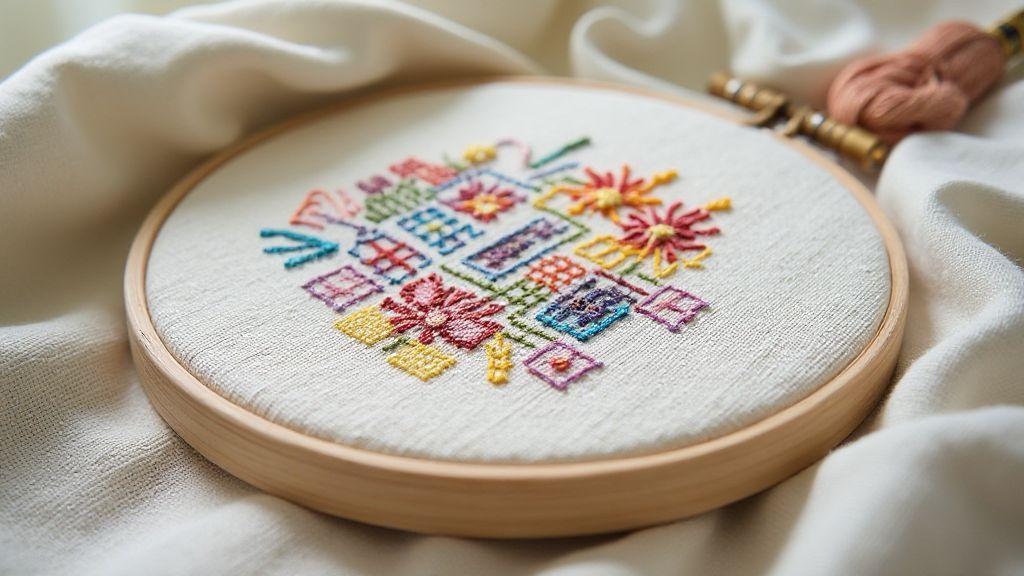
What Is Aida Cloth and When Should You Use It? This fabric is a grid-like canvas with evenly spaced holes that make counting and stitch placement easy. It’s a favorite for beginners because it shows you exactly where each stitch goes, helping you keep your work tidy as you learn cross stitch and basic backstitch. Available in different counts, like 14-count or 16-count, Aida cloth lets you choose how big or small your stitches appear. If you’re aiming for a crisp, grid-like look, Aida cloth is the go-to canvas.
What Is Aida Cloth for Beginners? Aida cloth for beginners is all about clarity and ease. The grid-like holes act as tiny checkpoints, guiding stitch placement and giving you a steady foundation. The open weave also makes threading and pulling through easier, so your first projects stay consistent. Starting on Aida helps you build habits: counting, aiming for even tension, and following a grid instead of guessing. It’s a stepping stone that sets you up for success on more complex fabrics later.
Aida Cloth Cross Stitch Basics
Cross stitch basics on Aida are straightforward but powerful. Start with the simple X-shaped stitch, guided by the holes to keep halves aligned for a crisp design. A calm, steady pace yields even tension and fewer puckers. Finish ends with small, tidy stitches to secure threads and keep your work neat. As you gain confidence, you can add more stitches while keeping the grid in mind, moving into backstitching or satin stitching without losing your place. Mark a starting point clearly to always know where to begin.
Aida Cloth Counts Explained
Counts tell you how tight the weave is and how large your stitches will appear. A lower count means bigger stitches and a quicker finish, with more of the fabric showing; a higher count yields finer detail but requires steadier hands and sharper eyes. Your choice sets the pace for your embroidery session and the look of your finished piece.
How counts affect your stitches is essential: higher counts offer more detail but demand precise placement; lower counts are forgiving and easier when you’re learning. The fabric’s weave guides your stitches, so slow, deliberate work beats rushing every time.
14-Count Aida Cloth Uses
A 14-count Aida cloth sits in a friendly middle ground. It provides clear holes for easy stitching without being too chunky. It’s ideal for practicing letters, simple shapes, and maintaining neat lines from a few inches away. When you’re ready for more detail, 14-count still handles finer threads and blends colors nicely, helping you progress without feeling overwhelmed.
Pick Count to Match Pattern
Match your pattern to the fabric’s grid. Large, bold patterns suit a lower count for quicker coverage; intricate designs benefit from a higher count to maintain neat lines and tiny details. Check the pattern’s fabric suggestions and consider a test swatch to verify stitch placement and color balance before committing to the main piece.
When to Use Aida Cloth
Aida cloth is handy when you’re just starting hand embroidery. Its grid-like weave makes counting stitches and keeping edges clean easier, acting like training wheels for your first projects. It’s especially helpful for basic stitches and small samplers.
Aida Cloth for Embroidery and Samplers
For embroidery and samplers, Aida’s grid helps place motifs precisely, keeping letters and small designs aligned. The holes let you separate threads cleanly and manage color changes without tangling, aiding both counting and planning across multi-element pieces.
Use Aida for Counted Cross Stitch
Counted cross stitch benefits most from Aida’s structure: each square on the fabric corresponds to one stitch, making color placement and tension easier to manage and resulting in crisp shapes and clean edges.
Aida vs Evenweave: Choosing for Your Work
Aida’s grid-like holes make counting feel natural, while evenweave offers a smoother surface for finer detail. Choose based on the finished piece you want and your comfort level with visual counting versus hole-guided counting. You can switch fabrics as your skills grow.
Aida vs Evenweave Differences
Aida has visible holes in a regular grid, giving a bold, traditional look—great for larger, simpler motifs. Evenweave has a smooth surface with no exact grid, ideal for shading and delicate outlines. Your choice also affects how mistakes appear and are corrected: errors show clearly on Aida but can be easier to fix with a single jump stitch; on evenweave, blending color changes can hide missteps more effectively.
How Choice Changes Stitch Appearance
Aida stitches tend to be chunkier and more even, producing a crisp, graphic aesthetic. Evenweave creates a softer, more refined surface, better for blending and fine detail. Your tolerance for visibility and correction will guide your fabric choice.
Choose Aida to Count Holes Easily
For beginners, counting holes on Aida is almost second nature. The grid acts as a built-in guide, helping you track stitches without extra tools, making larger blocks of color and simple shapes easier to manage.
Best Aida Cloth for Beginners
When starting out, choose beginner-friendly Aida: clean, with clear perforations and minimal fraying. A medium count (like 14-count) provides a balance of visibility and manageability. Look for a fabric that stays in place in a hoop and doesn’t slip. A pre-cut beginner piece can be a great way to gain confidence before tackling bigger projects.
Choosing Aida Fabric for Projects
Begin with a medium count, such as 14-count Aida, for an approachable grid that’s easy to follow. The finish should be a clean, even weave that doesn’t feel stiff on your fingers. Lighter colors help you see stitches clearly and minimize finger fatigue. Your goal is steady progress, not speed, so pick a fabric that’s comfortable to hold and easy to see under your lighting.
Tools and Needles for Aida Success
A sharp needle that glides through the fabric, a comfortable embroidery hoop for tautness, good lighting, and a steady workspace all support successful Aida stitching. A magnifier can help on higher counts, and keep scissors handy for trimming floss. Organized bobbins or floss organizers keep your workflow smooth.
Start with 14-Count Aida
Choosing 14-count Aida is a smart move for beginners. Its grid is large enough to see clearly while still offering a real project feel. It balances speed and accuracy, helping you anchor threads, place stitches in the right squares, and keep tension even. It’s forgiving and compatible with a broad range of basic stitches, making it easy to grow from there.
Caring for Aida Cloth and Finished Pieces
Careful handling keeps colors bright and stitches tidy. Store finished pieces flat and away from direct sunlight to prevent fading. When framing or mounting, ensure the fabric remains calm and unwrinkled. Practice good habits to protect your cloth over time: clean hands, breathable storage, and gentle washing and pressing when needed.
How to Wash and Press Aida Cloth
Wash Aida cloth with cool water and mild detergent, avoiding wringing or twisting to protect the holes. Rinse thoroughly and lay flat to air dry, smoothing wrinkles by hand. Press with a low heat setting and no steam, using a pressing cloth and a lift-and-press motion to prevent snagging.
Framing, Hooping, and Storage Tips
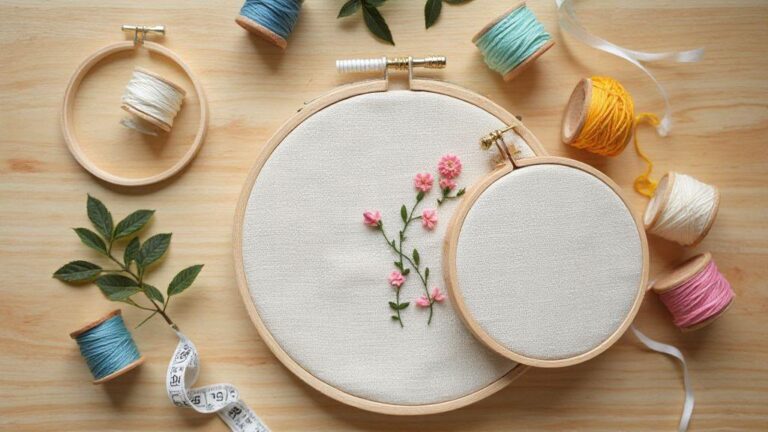
Hoop the fabric taut without over-tightening to avoid puckers. If the fabric is too tight or too loose, adjust gradually and test a small area. Store completed pieces flat in breathable containers or fabric bags to prevent moisture buildup and color fade. Keep away from direct sun, heat, and harsh chemicals.
Store Flat and Avoid Bleach
Store pieces flat and away from direct sun, heat, and bleach. Bleach weakens fibers and fades colors, so avoid it. Gentle cleaning methods preserve both cloth and stitches, ensuring your future projects look great.
What Is Aida Cloth and When Should You Use It? If you’re new to embroidery, Aida cloth offers a reliable, beginner-friendly foundation that helps you build confidence quickly. Its grid guides your stitches, making counting straightforward and your results more predictable as you learn the basics and grow into more complex stitches and fabrics.
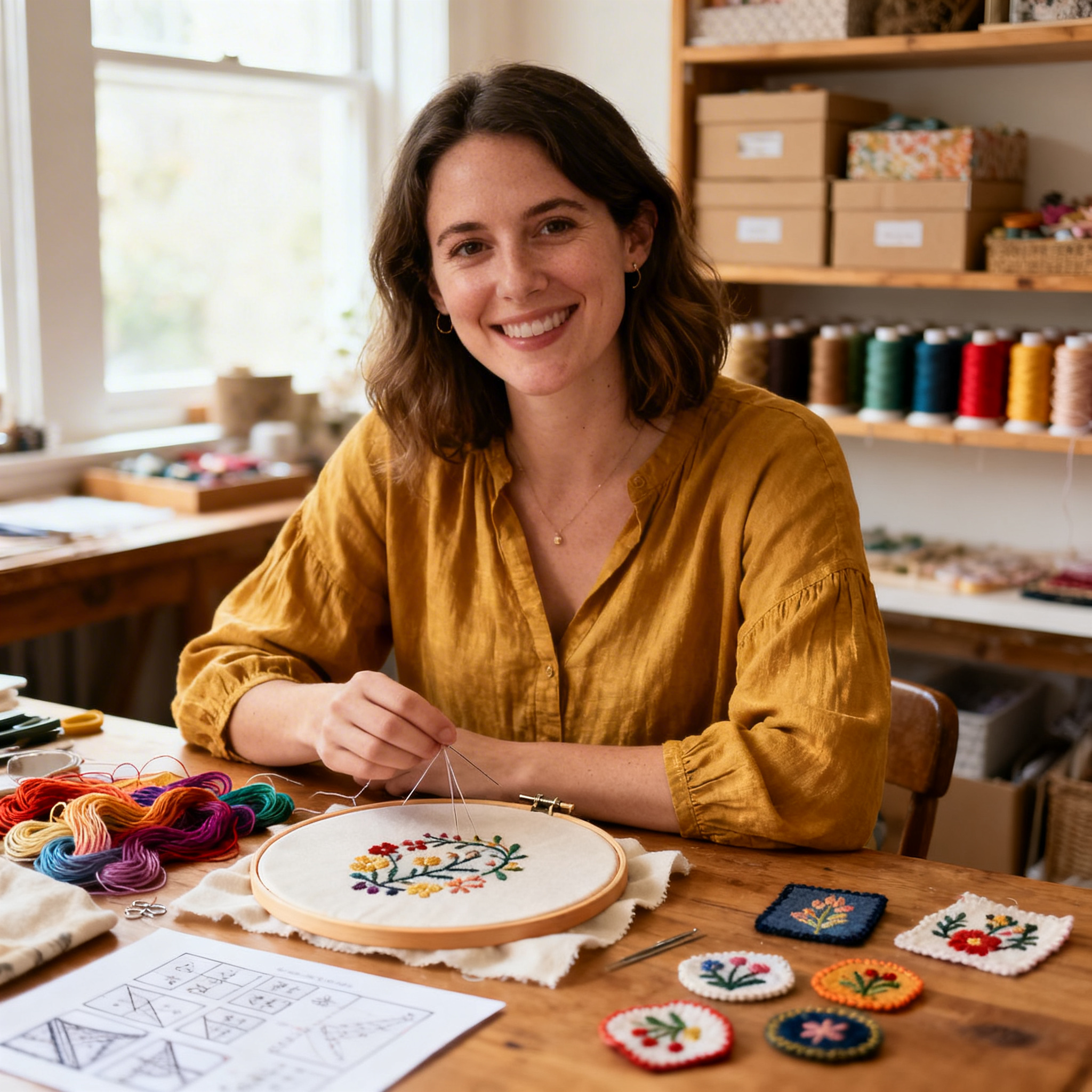
I’m Sophie Caldwell, the author behind granaboom.com, and I believe hand embroidery is one of the simplest, most relaxing ways to create something beautiful with your own hands. I started this blog to help beginners learn hand embroidery without feeling overwhelmed by complicated instructions or “perfect” results.
Here you’ll find beginner-friendly guides to decorative embroidery stitches, along with clear step-by-step practice ideas and patterns you can use to build confidence. My focus is on making the learning process easy: simple explanations, helpful stitch combinations, and small projects that look polished even when you’re just starting out.
Welcome to granaboom.com—grab your hoop, choose a few colors, and let’s stitch one line at a time.