Thread Painting 101: Turning Embroidery into Fine Art
Gather materials for thread painting
Thread painting thrives when you pair the right materials with calm, deliberate stitches. Choose fabrics that hold a crisp edge, threads with a smooth sheen, and stabilizers that keep your work from puckering. Visualize the scene you want to create and select threads that mirror those tones and textures. A tidy workspace helps you focus on the flow of your needle and keeps colors true after multiple passes.
Balance color variety with practicality. Use a palette that includes light, mid, and dark shades, plus a couple of accent colors for depth. Choose threads with consistent thickness and a subtle gloss for dimension. If you’re unsure, start with a small coordinating set and grow from there as your stitches blend on fabric.
Stabilizers fit your project. A light tear-away or stabilizer adhesive helps keep your fabric flat. You’ll see a difference once you begin stitching—your lines stay clean and creep is reduced. Remember, the goal is control and clarity, not bulk.
Start with a thread painting for beginners kit
Getting started with a beginner kit puts you in the driver’s seat. The kit bundles essential tools and a guided sample, so you don’t waste time guessing. You’ll learn how to layer stitches, manage tension, and blend colors in a way that looks effortless. As you practice, your confidence grows and your embroidery begins to resemble a tiny painting rather than simple stitches.
A good beginner kit includes pre-cut fabric, a starter thread set, and a gentle stabilizer. Use the sample design to study how threads interact: where to place light highlights and where to add shadows. Practice a few simple shapes first, like petals or leaves, then move to more complex imagery. With a kit, you have a built-in safety net: if you mess up, you can re-anchor and try again without starting from scratch.
Choose needles, threads, stabilizers
Your needle choice matters as much as your colors. A sharp needle penetrates fabric cleanly, while a ballpoint needle is kinder to knits. For thread painting, you’ll often prefer a size 75/11 or 90/14 needle, depending on fabric weight. Keep a few on hand: one for fine detail, one for mid-weight surfaces, and a back-up just in case. The right needle helps prevent skipped stitches and tears, so you stay in the groove of your design.
Threads should glide through fabric with minimal friction. Choose a mix of rayon or polyester threads for their sheen, and cotton for a softer, matte finish. Have a small assortment of colors ready and group them by family—light, mid, dark—to simplify blending. Stabilizers are your sidekick in this craft. A lightweight tear-away works well for flat embroidery, while non-woven or cut-away stabilizers give you more structure on dense designs. Use them as needed to keep your surface smooth and your stitches precise.
Tool checklist
- Sharp, reliable needles (75/11, 90/14) with a few spares
- A curated thread collection that includes highlights and shadows for your chosen palette
- Stabilizers: tear-away, cut-away, and water-soluble options for tricky areas
- An embroidery hoop or frame that holds fabric taut without distorting your design
- A fabric pen or temporary marker to map out your thread painting plan
- A small pair of shears, a thread snip, and a seam ripper for quick fixes
Master basic thread painting techniques
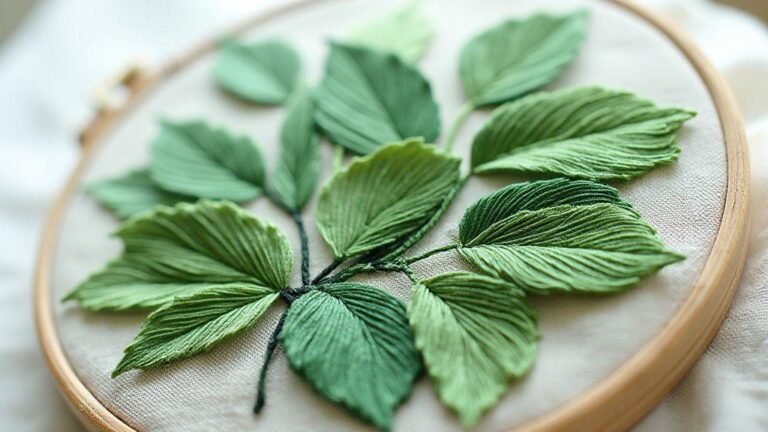
Thread painting creates depth and texture on fabric. Start by choosing the right threads, needles, and fabrics, then practice steady hand control to blend colors smoothly. Think of it as doodling with stitches—you guide the colors, and the thread shades for you. Build a solid foundation so every stitch matters, not just fills space.
Keep tension even and motions light. A relaxed grip helps you glide the needle without snagging. View each stitch as a brushstroke: short, deliberate marks that blend into a coherent image. Layering threads adds warmth and dimension that standard embroidery can’t match.
Practice is progress. Start with simple shapes and a limited color palette, then gradually add more hues. The goal isn’t perfection but control; with time, your thread painting will look more like soft painting than stitching. Thread Painting 101: Turning Embroidery into Fine Art stays in mind as you work.
Learn long-and-short and satin stitch
Long-and-short stitches build shade and contour by varying lengths to mimic light and shadow. Keep stitches parallel and evenly spaced, and avoid changing colors mid-stroke. Mark a few reference lines to stay consistent.
Satin stitches create a smooth, glossy surface. Cover a small area with tight, uninterrupted stitches, keeping threads flat and uniform. Layer satin stitches over the long-and-short foundation to push highlights forward and deepen shadows.
For beginners, limit your palette to three to five shades per object and progress from light to dark for seamless transitions.
Follow a simple thread painting tutorial
Start with a simple motif—think a single flower or a small leaf. Lightly trace the design, then layer from light base to midtones, finishing with darkest shades along edges for depth. Check balance every few stitches and adjust to prevent muddiness. Secure thread ends as you go. If a color bleeds, let it dry and blend it with nearby tones later.
Technique practice plan
Set aside 20 minutes daily for focused practice. Begin with a tiny shape and three colors. Do three passes: light base with long-and-short, midtones with satin, and final dark accents with short stitches. Review and adjust tension and stitch length in the next session. Build confidence by gradually increasing shapes or colors.
Create realistic embroidery shading
Think in terms of light and shadow. Plan where light hits and where it fades. Use lighter threads on highlights and layer darker tones for depth. Keep transitions smooth and avoid abrupt jumps between shades.
Blend shading naturally by working in small, deliberate steps. Build color layers rather than flooding with one tone. Test shades on scrap fabric if unsure. The right tone and texture give the embroidery a tactile, almost touchable quality.
Practice helps balance highlight and shadow. Don’t rush fades; slight changes in stitch length or density can alter depth. With patience, your shading reads as three-dimensional and lifelike. Thread Painting 101: Turning Embroidery into Fine Art is exactly about this careful shading feel.
Blend color with layered threads
Layer base color and a second shade in short, overlapping stitches. Keep tension even so layers don’t bunch. Create a soft gradient by allowing colors to touch and mingle. For cooler shadows, add blue or gray; for warmth, use peach or honey tones. Work in small zones and test colors under natural light.
Use directional stitching for form
Let the thread follow the shape you want to show. Use long, flowing stitches to outline curves, then fill with threads that move with the form. Keep stitches parallel for larger fills; change direction subtly to mimic natural shading. Practice direction changes on swatches to build confidence in form and texture.
Plan composition and design transfer
Plan every stitch before touching fabric. Visualize the final piece, considering scale, balance, and focal points. Keep lines light in notes so you can adjust later. Test fabrics and threads to see how light plays on the surface—glossy threads pop on matte fabrics, while matte threads blend into busy backgrounds. Sketch color options and test tiny samples on scrap fabric.
Map spacing and density. Decide where to emphasize with heavier stitches and where to add texture with lighter ones. Consider framing or hanging in advance to avoid distortion. A solid plan helps you stitch with fewer surprises.
Choose reference photos for realism
Reference photos keep your work grounded. Study realistic shading, scale, and texture. For a flower, note petal curvature and light hit; for landscapes, observe horizon lines and depth. Distill the reference into essential features you can reproduce with stitches. Create a small study piece to test thread behavior and fabric response before your final piece. Choose photos with strong contrast and clear shapes to guide your design.
Trace and transfer designs to fabric
Tracing and transferring bridge plan and reality. Use carbon paper, erasable pens, or lightbox methods adapted to your fabric. Secure the fabric to prevent shifting, then transfer major outlines first and fill in details later. For curved surfaces, mark anchors to keep alignment. Double-check alignment against your reference, then lightly mark the lines with a fine thread or chalk so you can see them under your needle.
Layout tips
Lay out the design on a flat, steady surface. Center the design with the fabric center, and use light pins or clips to hold tracing lines. Maintain a consistent margin to avoid binding issues. If your piece has multiple sections, stitch in logical order—from large shapes to fine details. If something feels off, pause, recheck your reference, and adjust before sewing a single stitch.
Choose hand versus machine thread painting
Thread painting tells a story whether by hand or machine. Hand embroidery offers control over twists, shades, and lines, turning stitches into a personal handwriting. The machine provides speed and consistency for large blocks or repetitive motifs, ideal for uniform color fields or fine lines. For certain projects, mix both: machine for a soft base, then add hand details for depth. Test a small sample with both methods to see which carries your vision best.
Your setup matters. With hand work, ensure good light, a comfortable frame, and steady rhythm. A sharp needle and the right floss or silk make a big difference. For machine work, use a compatible embroidery module or low-heat setting, a stable hoop, and a soft color-blend palette for long runs. Keep a notebook of color blends and stitch types to repeat the magic later.
Build hand embroidery thread painting skills
Develop skill through core techniques that control light and shadow. Layer stitches for soft transitions; tiny, close stitches blend colors better than large gaps. Track color journeys—note how a light blue blends into pale gray. Vary stitch direction and density to reveal texture. Practice with feathered shading and stippling to expand texture options.
Edge control matters. Clean, deliberate edges keep the image readable, even when zoomed in. Outline with a fine stitch, then fill with lighter threads for glow. Manage fatigue by taking breaks; your stitches stay even when your hands do not. Treat each practice sheet as a map of your evolving style.
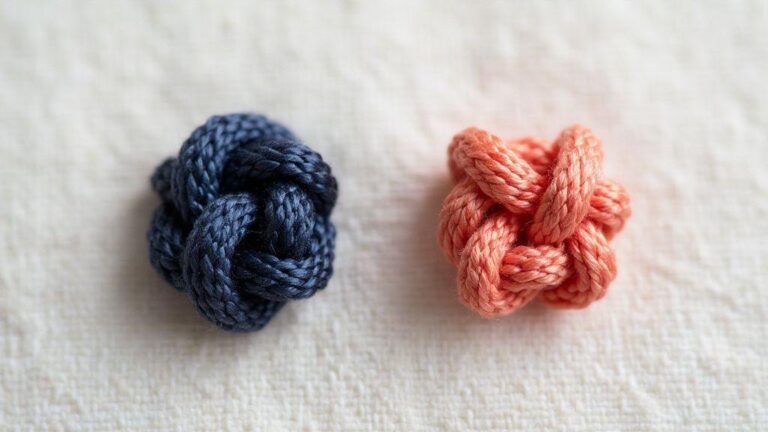
Experiment with fabric texture. Cotton vs linen affects color take-up; a tight weave may require smaller stitches for smooth shading. Try satin, long-and-short, tent, and French knots to explore textures. The more you test, the more natural hand thread painting becomes.
Set up machine thread painting workflow
Your machine workflow should flow from first stitch to final shade. Start with a color plan from lightest to darkest, and keep color changes manageable. A clean bobbin and a compact thread path reduce tangles and breakage. Pre-wind mini-palettes on bobbins to swap colors without stopping to thread a needle.
Set stitch length and density to achieve your desired effect. Shorter stitches deliver crisp shading; longer ones create soft halos. Use slow, steady feed to maintain even thread tension. Practice on scraps with the same fabric to dial in tension and thread compatibility. Your goal is a quiet machine that blends into the artwork.
Build a reliable color-blending guide. Develop a palette that eases shifts—cream to sand, coral to peach—so transitions feel seamless. When you’re ready for a larger project, you’ll have a proven recipe for color layering that minimizes stops and keeps momentum high.
Use advanced decorative stitches and finishing
Advance beyond basics with decorative stitches that add texture and movement. Choose stitches that mimic natural lines—sprigs, waves, or zigzags—that echo your design. Use a slightly longer stitch length for a freer look, then contrast with compact satin or backstitch in coordinating thread. Let the stitches guide attention rather than overwhelm it. Practice on scrap fabric and keep a small color wheel handy to harmonize threads. When you finish, trim threads close to the fabric to keep the focus on your main design.
Finishing elevates your piece from good to gallery-ready. Lightly steam-set stitches to avoid crushing them, and consider a gentle edge finish to prevent fraying. If framing, add a narrow border or binding that mirrors the stitching colors. For a modern look, bind two sides with a contrasting thread to create a clean frame. Every stitch should support the mood of your art.
Label your work with care instructions and a note about your process. Store finished pieces flat or rolled in a clean, dry space to prevent creases. When displaying, consider a lightweight frame or shadow box so the texture stays visible. Let the stitches speak with balanced, purposeful design. Thread Painting 101: Turning Embroidery into Fine Art is a guiding mindset to keep visible as you work.
Try advanced thread painting stitches for detail
Thread painting 101: Turning Embroidery into Fine Art guides you as you layer colors and shapes. Start with a light base and build depth with subtle shading. Use multiple needle passes for each area: broad color blocks, mid-tones, and a final lace-like pass for highlights. Keep your hand relaxed and let the machine feed gently; transitions matter more than bold lines. Choose blending-friendly threads unless you want a focal point to pop. If you want a soft glow, blend threads in the same family and vary stitch length for texture.
Switch among satin, long-and-short, and feather stitches. Keep a color chart handy and mirror it on your fabric for quick reference. Work in small sections and step back often to assess value changes to avoid muddy results. When finished, secure threads with tiny knots on the back and trim close. Press gently from the back to maintain texture. The result should read like a painting, with light catching the threads in subtle ways rather than shouting from the fabric.
For practice, start with a simple design—like a flower or leaf—and commit to a color gradient. Slow, deliberate stitching builds depth faster than rushing. If a line looks harsh, blend it with nearby tones to soften it. Thread painting isn’t about perfect lines; it’s about liveliness in light and shadow through fiber.
Frame, mount, and care textile art
Mount your textile art on acid-free foamboard or a fabric-safe backing to prevent sagging. A light batting layer is optional for subtle lift; otherwise, keep it flat for a crisp display. Attach the fabric with gentle pins or seam tape to protect stitches. If framing, choose a depth that accommodates embroidery thickness and select UV-protective glass. A neutral mat helps colors pop, while a bold frame can set a dramatic tone. Measure carefully so your piece fits snugly without warping.
Choose hanging hardware wisely. A clean, centered wire or sturdy French cleats keeps the work straight. Add a small label with your name, title, and care notes to help viewers understand and preserve the piece. Store or transport in a breathable cover, away from moisture and direct sunlight. Your goal is to preserve both the stitches and the story they tell, with a light touch.
Final finishing steps
Before declaring a piece finished, take a calm look from a few feet away. Ensure all threads are anchored and there are no snagged fibers. Trim stray threads cleanly and weave ends into nearby stitches for invisibility. For extra durability, apply a light backing glue or fabric stiffener sparingly along the edges. A soft press from the back helps set everything and reduces bulk at the edges.
Now you’re ready to present your textile art with confidence. Store finished pieces flat or rolled in a breathable cover. Keep them in a cool, dry place away from direct sunlight. Your work should feel balanced, finished, and ready to share. Thread Painting 101: Turning Embroidery into Fine Art—remember that depth and texture carry the piece as much as color.
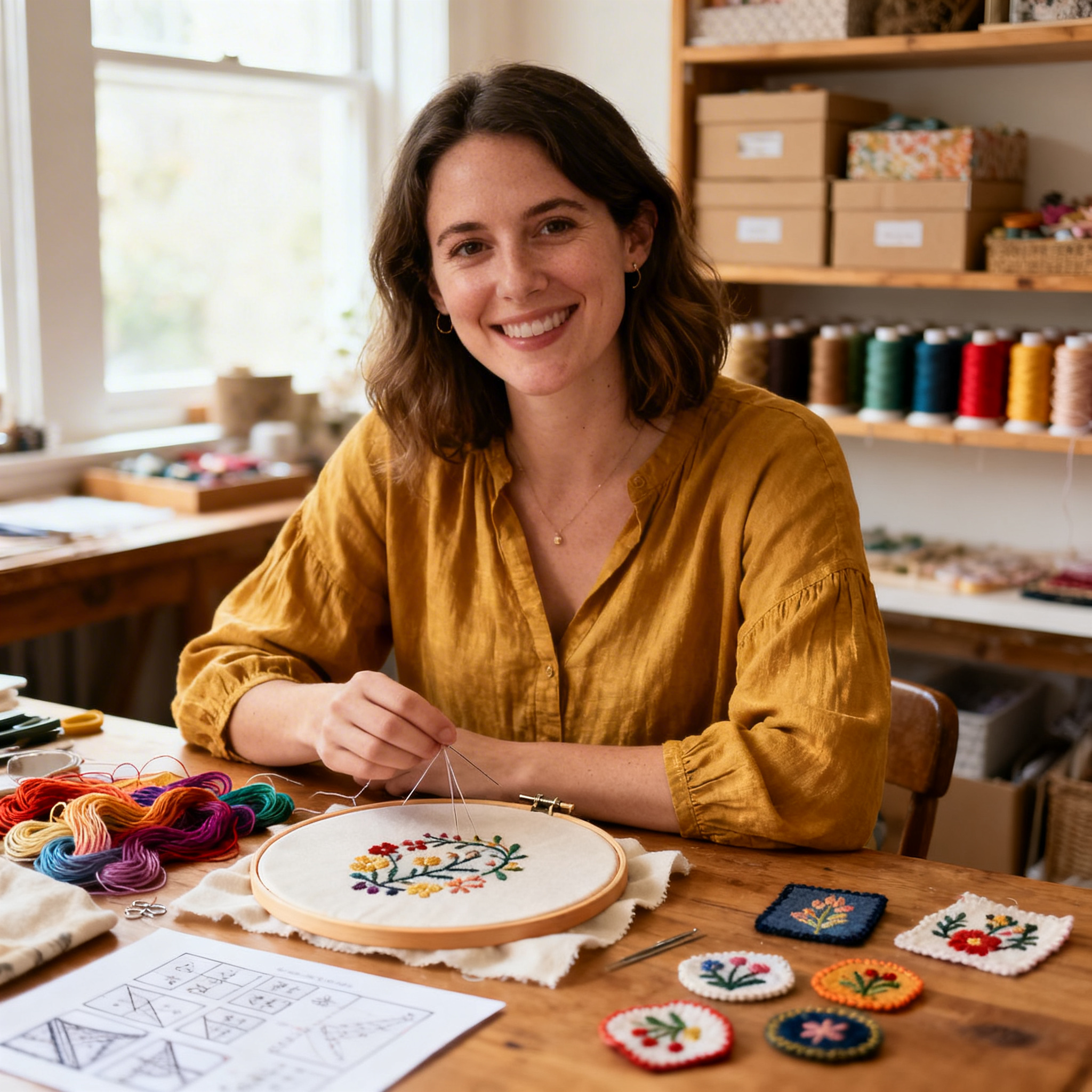
I’m Sophie Caldwell, the author behind granaboom.com, and I believe hand embroidery is one of the simplest, most relaxing ways to create something beautiful with your own hands. I started this blog to help beginners learn hand embroidery without feeling overwhelmed by complicated instructions or “perfect” results.
Here you’ll find beginner-friendly guides to decorative embroidery stitches, along with clear step-by-step practice ideas and patterns you can use to build confidence. My focus is on making the learning process easy: simple explanations, helpful stitch combinations, and small projects that look polished even when you’re just starting out.
Welcome to granaboom.com—grab your hoop, choose a few colors, and let’s stitch one line at a time.