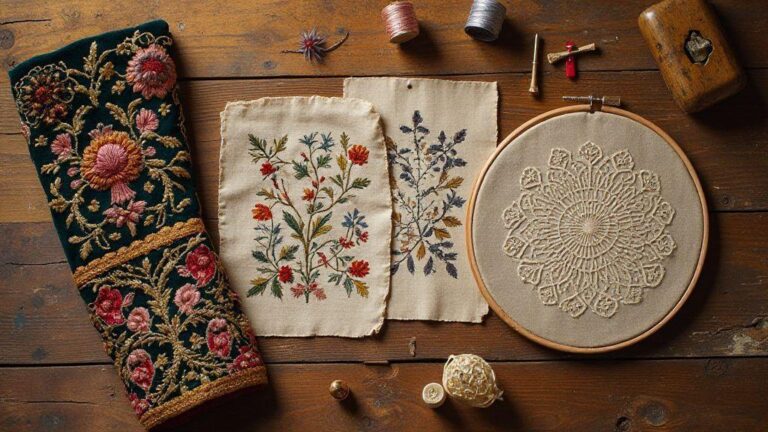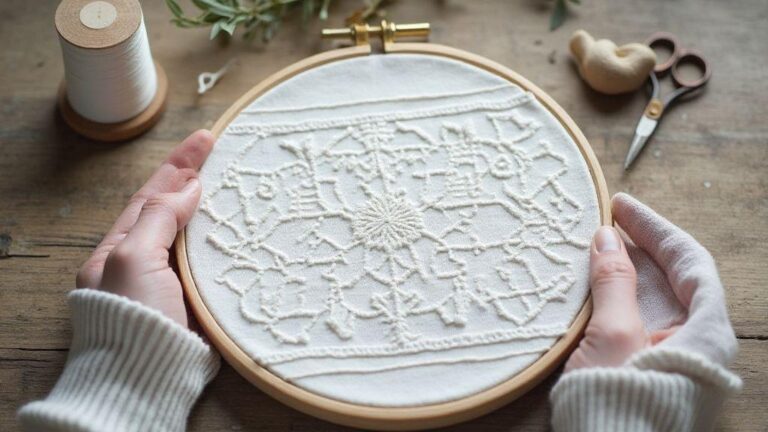
The Philosophy Behind Sashiko: Boro, Wabi-Sabi, and Slow Stitching
Embrace sashiko embroidery philosophy
Sashiko isn’t just stitches; it’s a way to stitch meaning into everyday life. The calm rhythm of each tiny knot and running stitch slows you down, turning fabric repair into a mindful practice. Stitching becomes a quiet conversation between your hands and the material, a gesture that says you care enough to mend rather than replace.
Flaws become history, not failure. Each repaired spot tells a story—where wear began, how you chose to respond, and the patience you showed while mending. With every line, you feel an agreement: mending can be beautiful, practical, and meaningful all at once. This shift changes how you view clothes, blankets, and the little items you reach for every day.
Choosing sashiko means prioritizing simplicity and resilience over quick fixes. The stitches are small acts of dedication that compound into items you’ll keep longer, letting you treasure texture, character, and care woven into every repaired seam.
How sashiko connects to sashiko embroidery philosophy
Sashiko embroidery is the living practice of care. You start with a simple running stitch, then add layers that form quiet patterns. The process teaches careful planning and steady hands, and the repetition calms the mind, turning repair into meditation you can carry with you.
The stitches you choose aren’t just decoration; they’re decisions about durability and texture. You learn to balance speed with precision, letting your pieces speak softly of patience. This method-to-meaning link makes sashiko feel like more than a hobby; it becomes a way to show respect for your belongings and for yourself.
As you practice, the stitched lines resemble small fabric stories. Simple patterns—squares, diamonds, or geometric mosaics—offer a map of how you mend. You’ll see the philosophy in every thread, guiding you toward a calmer, more intentional sewing life.
Why you’ll value wabi-sabi mending aesthetics
Wabi-sabi celebrates imperfection. Your mend becomes a mark of character, not a flaw to hide. Small stitches catch the light differently as you move, giving the patch a quiet beauty you may have thought unreachable.
Worn edges and faded fabrics gain soul when repaired with care. Hand-stitch texture adds depth that new fabric can’t offer. That imperfect beauty is personal, honest, and undeniably you.
As you see pieces aging gracefully with your care, you’ll notice nothing lasts forever—but thoughtful mending can extend life beautifully and comfortably.
Discover boro textile tradition
Boro is a story you can touch. Worn threads, faded patches, and repaired seams carry quiet pride. Clothes aren’t disposable here; hands mend them, stitch by stitch, keeping a life’s wear alive. This tradition isn’t just old fabric; it’s a mindset you can carry into your closet: mend, reuse, and value what you already own. The texture of repeated repairs tells you how long something has traveled with you, how many seasons it’s weathered, and how much patience you’ve invested to keep it in use.
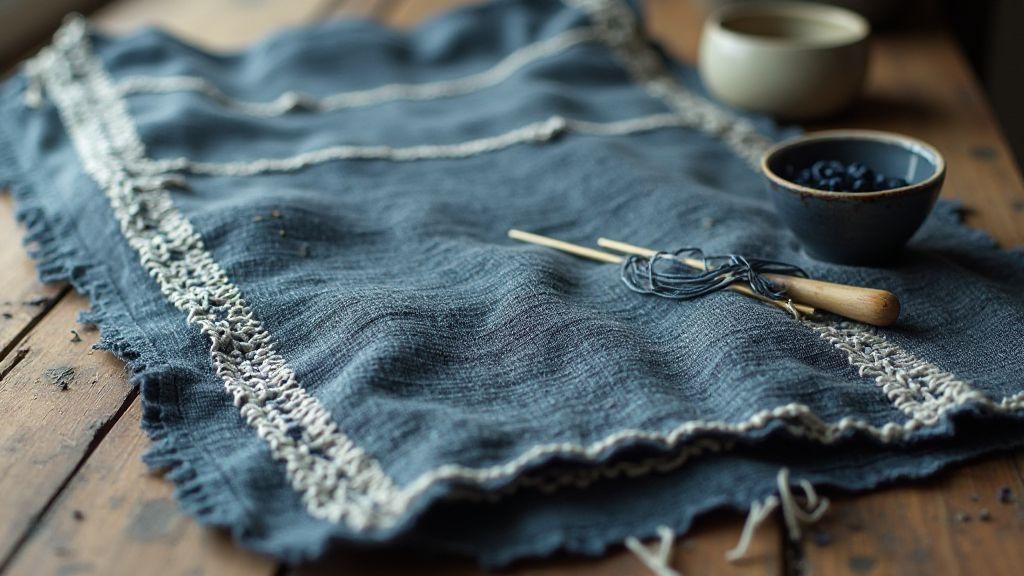
Sashiko stitches are the heartbeat of boro. Small, careful stitches build strength and character over time. Each repair isn’t hidden; it’s celebrated as a mark of care. Adopting this approach means choosing quality over hype and favoring pieces that can be repaired rather than discarded. The beauty of boro lies in its imperfections—blue threads against muted cloth, patches echoing stories you’re living through, not just clothes you wear.
If you’re curious why this practice endures, you’ll see it in the daily habit of mending. You’re not just fixing holes; you’re slowing down, saving money, and honoring the work that came before you. Boro teaches you to value effort and to see worth in what others might throw away. Your wardrobe becomes a gallery of resilience—a quiet statement that you choose longevity over fast fashion.
How boro started as practical repair
You begin with a simple need: a worn garment that still holds you together. In old Japan, fabric was precious. When a seam opened or a knee wore thin, people sewed the gap closed rather than tossing the cloth. The first stitches were practical, not pretty, and that honesty gave birth to a distinctive look. Repairs appear with honesty and a steady hand.
As repairs multiply, so does the fabric’s story. Patches layer over patches, creating a map of the garment’s life. Sashiko stitches—simple running stitches—grow stronger with every pass. The cloth becomes a quiet archive of use: every thread carries a memory, every patch a chapter. You don’t chase perfection; you chase continuity, keeping clothes usable for years.
When you wear boro, you carry a philosophy: fix what you have, don’t waste what fits. Repair becomes a cultural art, and you’re part of that transformation each time you thread a needle. Repair isn’t a fallback; it’s a choice that reshapes your relationship with clothing.
What boro textile tradition teaches you about reuse
Value lives in old material, not just new trends. Every moth-eaten corner or faded patch tells you how to repurpose. You can stitch an old shirt into a new form—a bag, a pillow cover, or a small wall hanging. The idea is simple: reuse extends life, and life extends meaning. You’ll feel the payoff in both wallet and conscience.
Boro teaches restraint and creativity at once. You won’t throw away fabric you can save. Instead, you improvise: combine scraps, choose coordinating blues, and let the cloth guide your design. It’s not about perfection; it’s about making use of what you already own. By mending, you choose a slower, more thoughtful path that respects resources and reduces waste.
If you apply this mindset, your choices become kinder. You’ll select patchable materials, avoid fast fashion, and enjoy turning scraps into something useful. It’s a practical habit with a quiet, everyday impact.
Trace sustainable textile repair roots
You trace a line from daily repairs to a broader habit: sustainable choices that stay with you. The practice of boro reminds you that repair is a virtue, not a burden. Prioritizing mending cuts waste and extends fabric’s life. Your closet becomes a small but powerful act of stewardship.
Master traditional sashiko patterns
Sashiko is about shaping fabric with simple, strong stitches. Feel the rhythm as you stitch, and let the fabric tell its story. Focus on location and spacing, keep tension even, and stitches uniform. Start with a small area—like a corner or a sleeve seam—and practice the flow before tackling larger sections. Clean lines transform old fabric into something new and meaningful.
Pattern choice is personal; classics like triangles, diamonds, and grids form a calm language you can use to mend and decorate. As you grow, mix patterns to fit projects. A garment seam might need a small diamond path; a bag corner could use a grid frame. With practice, you’ll stitch quickly but carefully, and your pieces gain character in every thread.
Learn common geometric patterns step by step
Step by step, lay out lines on fabric. Start with a simple grid and place evenly spaced stitches along the lines. Use a running stitch and maintain a steady rhythm. When lines meet, your pattern stays neat and the fabric keeps its shape.
Next, practice the classic diamond motif. Mark a small grid, then fill it with tight, neat stitches. The diamonds look crisp when tension stays consistent. As you complete one, the next forms naturally—like building blocks that make a panel glow with clean geometry.
Then try triangles. Place triangles along a seam or edge to guide your hand. Each triangle should be equal in width and height so the line feels continuous. If a stitch looks off, adjust the next few stitches to keep the line straight. With patience, your triangles become a graceful rhythm across the fabric.
Use traditional sashiko patterns in your projects
Weave classic patterns into everyday items for a timeless look. A geometric border on a denim jacket or a pocket square adds quiet detail. Patterns act like a signature, signaling care for craft and tradition. Sashiko stitches reinforce the fabric while decorating it.
Try a simple grid along a hem or cuff for a modern touch. The grid keeps edges neat and adds a calm, architectural feel. Stitching in place reduces fray and adds durability, turning your items into conversation-worthy works of handmade design.
Practice slow stitching movement techniques
Slow stitching connects you to the fabric and its history. Start with a small, repeatable motion: insert the needle, lift it just a hair from the last stitch, and pull smoothly. This creates even stitches and a steady line. The practice trains your hands and relaxes your mind as the pattern forms.
Focus on flow, not finish. The goal is a consistent rhythm, not speed. Repeating the same motion reveals the fabric’s quiet resistance, a reward in itself. This is the heart of sashiko philosophy: patience, care, and steady hands.
Why you should try the slow stitching movement
Slow stitching is a pause in a busy life. Thread and fabric slow your mind and let your hands guide you. Notice small details you miss in fast work—tiny knots, subtle fabric flaws that tell a story. It’s a portable practice that fits into everyday moments, from a bus ride to a quiet corner after work. The joy comes from counting stitches, feeling texture, and watching a piece evolve over time.
The practice reconnects you with materials: you see how fabrics wear, where threads fray, and how small repairs can restore use. This shift from disposable to thoughtful living brings patience and pride with every deliberate stitch. The Philosophy Behind Sashiko: Boro, Wabi-Sabi, and Slow Stitching shows how these traditional methods inspire a steady, personal practice.
Reduce waste with sustainable textile repair
Repairing textiles honors the fabric’s life and reduces waste. A torn area becomes an opportunity to add design and resilience. A few careful stitches can keep a garment out of the landfill and extend its usable life. It’s practical and affordable, since you’re using what you already own.
As you repair more, you see how a tiny thread can become part of a new pattern or memory. Boro-style mends, with visible stitches, remind you that flaws are marks of a life lived with care. You’ll plan projects around what you already own, making your wardrobe more personal and sustainable.
The impact goes beyond your closet. Choosing repair over replacement slows consumption and reduces waste in your community. Your simple stitching becomes a statement you wear.
Build calm and focus through mindful hand stitching
Mindful hand stitching centers your attention in the moment. Each stitch counts, slowing racing thoughts and creating a soothing pattern. The focus translates into clearer thinking in daily tasks.
Notice small improvements: steadier hands, steadier stitches, fewer mistakes. The quiet repetition becomes a form of meditation you can do anywhere. The result isn’t just a repaired piece; it’s a calmer you, ready for new projects with patience and clarity.
This mindful approach deepens your appreciation for texture and color. You’ll compare shades and fabrics as if having a conversation with your materials, keeping the practice fresh and enjoyable.
Start small with visible mending projects
You don’t need a big project to begin. Choose something you wear often—a sleeve, a pocket, or a knee in jeans—and add a visible repair that tells a story. Bold stitches can become a design feature, brightening a garment and extending its life at the same time. Start with simple stitches you can repeat easily—a running stitch, a cross-stitch, or a small sashiko motif—and celebrate each completed repair.
Choose the right tools and materials
Embarking on sashiko and boro embroidery starts with the right basics. Pair simple, purposeful tools with fabrics that behave well under repair to set up a calm, focused workspace. The right tools help your stitches improve and your process feel confident rather than fiddly.
Pick needles and thread for sashiko embroidery
Your needle choice defines how clean your stitches look. For sashiko, choose a strong, medium-length needle with a sturdy eye so the thread slides smoothly. A blunt-tipped needle helps avoid tearing fabric. Pick a thread thick enough to show the stitch without crowding the fabric. Test a small sample on scrap fabric to judge tension; adjust needle size or thread as needed to keep stitches even and confident.
Select fabrics for Japanese patchwork repair
Fabric choice is about compatibility and history. Opt for sturdy cottons with a tight weave that resist fraying and hold stitches well. Denim, workwear cottons, and sashiko bolts are traditional options that wear beautifully with age. Patch sizes should be slightly smaller than the holes or worn areas to keep the repair balanced. Consider color and texture: a contrasting patch can highlight the repair, while tonal patches blend in for a subtler mend.
Source sustainable materials responsibly
Sustainability matters here. Seek fabrics with natural fibers and dyes, preferably from local mills or traditional makers. Consider the life of threads and patches after repair—can they be rewashed, re-dyed, or repurposed later? The goal is to minimize waste while maximizing the stitch’s meaning. Check fiber content and care instructions when shopping online so you know how to treat the fabric long term.
Bring sashiko into slow fashion mending culture
Sashiko can bridge everyday wear and thoughtful repair. Mending with sashiko adds a story to fabric, stitching slowly and steadily to turn a worn piece into something you’re proud to wear again. Your wardrobe becomes a gallery of small, meaningful choices that honor materials and time. By choosing sashiko, you choose care over discard, and that mindset travels with you.
Old clothes gain new life with simple patterns and clear stitches, teaching patience and respect for your things. Mending can be decorative as well as functional, and your clothes become maps of your days, repaired with color, texture, and intention.
Sashiko isn’t just technique—it’s a daily habit. Mend a sleeve during a coffee break or reinforce before laundry day. This small ritual reduces waste and extends use of what you already own. You’ll feel excited to wear something that already served you well, now with a new layer of meaning from your own hands.
How sashiko supports sustainable fashion
Sashiko uses simple stitches and focused patterns to patch two fabric layers without heavy machinery, creating sturdy repairs that extend garment life and reduce the need for new clothes. When you see a hole or weak seam, a visible stitch strengthens the fabric and adds character. This is practical sustainability, not a trend.
Choose fabrics that pair well with sashiko—airier cottons, denim, or linen—so repairs look intentional and lively. Visible stitching helps prevent further wear and keeps seams intact. By repairing rather than discarding, you cut waste and model thoughtful consumption in your closet.
Visible mending with sashiko invites others to rethink waste. A deliberately designed repair can inspire friends to mEND their clothes and pass them down, creating a ripple of mindful practice. The Philosophy Behind Sashiko: Boro, Wabi-Sabi, and Slow Stitching echoes in every careful stitch, reminding you that effort and simplicity have value.
Share visible mending techniques in your community
Teach quick sashiko touches that make a big difference. Reinforce seams along a sleeve edge with a bold running stitch, or try a sashiko-split: stitch a small diagonal line across a worn spot to distribute wear and add a decorative accent. Show your work in small groups or on social media to inspire others. Share before-and-after photos and explain your stitch choices to make repair feel approachable, not intimidating.
When you demonstrate, you’ll hear questions about materials. Keep answers practical: cotton thread, a sharp needle, and a small hoop or clamp to hold fabric steady. Suggest a calm 15-minute session on a Sunday to start. Your tips help others begin visible mend projects and stay motivated.
Showcase your work and join mending groups
Showcase your repairs with a clear photo essay: the problem spot, the stitching process, and the fixed garment on a hanger. Describe why you chose stitches and colors, and how the repair adds to the garment’s life. This transparency helps others trust and try mending themselves.
Join local or online mending groups that value Boro-inspired, Wabi-Sabi aesthetics and slow stitching. You’ll find encouragement, patterns, and a sense of belonging, keeping your practice steady and social. Sharing progress helps others believe they can mend too.
The Philosophy Behind Sashiko: Boro, Wabi-Sabi, and Slow Stitching
The Philosophy Behind Sashiko: Boro, Wabi-Sabi, and Slow Stitching ties together the values of repair, imperfection, and deliberate craft. This guiding idea helps you approach fabric with patience, reverence, and personal meaning, turning everyday mending into a mindful, sustainable practice.

I’m Sophie Caldwell, the author behind granaboom.com, and I believe hand embroidery is one of the simplest, most relaxing ways to create something beautiful with your own hands. I started this blog to help beginners learn hand embroidery without feeling overwhelmed by complicated instructions or “perfect” results.
Here you’ll find beginner-friendly guides to decorative embroidery stitches, along with clear step-by-step practice ideas and patterns you can use to build confidence. My focus is on making the learning process easy: simple explanations, helpful stitch combinations, and small projects that look polished even when you’re just starting out.
Welcome to granaboom.com—grab your hoop, choose a few colors, and let’s stitch one line at a time.