The History of English Needlework: From Tudor Courts to Modern Makers
Tudor Court Origins
You’ll feel history pull you in as Tudor embroidery began in the courts, stitched by powerful nobles and skilled seamstresses who marked status in fabric. Sleeves puff and hems gleam—a quiet language of luxury. The court was about rules, rituals, and display, and your needlework can echo that drama, with every knot counting and every thread telling a story. The History of English Needlework: From Tudor Courts to Modern Makers traces this lineage from courtly display to today’s practice.
Embroidered court pieces signaled rank, wealth, and faith, with crowns, roses, and thistles declaring alliances and family pride. Pricey materials and precise stitches made skilled hands scarce and respected. Studying them lets you feel the moment’s pressure: to outshine rivals without shouting power—like wearing a resume in thread.
Borrow this court feeling in your own projects by balancing bold design with restrained craftsmanship—proportion, color harmony, and the way light catches metallic threads. The History of English Needlework: From Tudor Courts to Modern Makers invites you to see how a single embroidered detail declares lineage, loyalty, and taste at a glance.
Tudor embroidery in royal dress
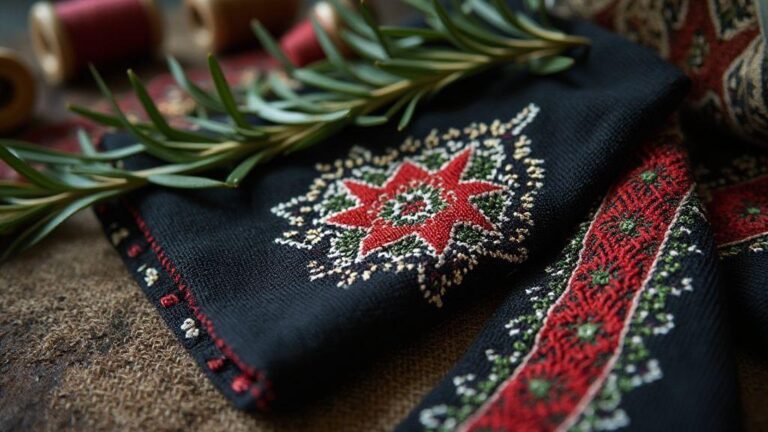
Royal dress shows embroidery at its most dramatic. Large motifs are stitched with care, placed where the eye lands first. Rich threads, gold and silks, glow under candlelight. Pattern choices tell the wearer’s story—who they are and what they stand for. It’s a wearable monument, a moving symbol rather than plain fabric.
The stitches are precise: long and short satin stitches create smooth surfaces, and couching anchors heavy gold threads. This work requires patience, a steady hand, and quiet confidence. Imagine a room full of tailors charting the design, selecting colors, and matching the court’s mood for a specific event.
To recreate Tudor-inspired pieces, start with a simple silhouette and accumulate texture with layered stitches. Use a restrained palette with metallic highlights to echo the royal glow. Your goal is dignity and history without overwhelming the fabric.
Gold thread and silk materials
Gold thread sparkles with status, and silk provides the glow and smooth base that lets those metallic lines sing. Gold catches the light, creating movement as you turn the garment; silk lends sheen and control to the surface.
Working with gold thread requires care; it kinks easily, so a steady hand and fine needle help. Silk loves a gentle touch and steady tension. The result is a smooth, painted-like surface where every stitch contributes to a lush, unified piece. Your embroidery will feel alive, telling a thousand stories with a single glance.
Plan for maintenance: gold threads can tarnish or fray, silk can yellow over time. Mount and protect the fabric properly, treating it as a delicate heirloom. The goal is a garment that lasts generations, carrying its royal memory forward.
Elizabethan Techniques and Motifs
You’re stepping into a world where needle and thread tell vivid stories. In Elizabethan embroidery, technique and design mirror the era’s grand sense of order and extravagance. The stitches are deliberate, motifs lush, and every finished piece a window into a gilded room. Makers used simple tools to craft textures that catch the light and hold memory. The History of English Needlework: From Tudor Courts to Modern Makers reminds us that Elizabethan work grew from rich court life, evolving styles, and new materials; today’s eyes can trace that lineage in every stitch.
Elizabethan designers balance symmetry with flourish, pairing sturdy ground works with delicate filigree. This balance helps you plan pieces—from collars to purses to decorative panels—capturing refined abundance without losing your voice. The result is a piece that feels timeless and personal.
Elizabethan embroidery techniques
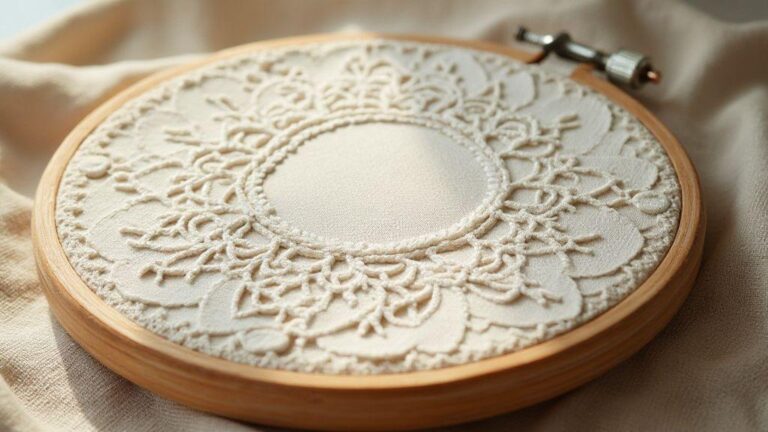
Begin with confident stitches that form a solid base: satin stitches for smooth shapes, and long-and-short for shading that gives depth to flowers and beasts. Crewel work adds texture with wool on ecru linen, creating raised surfaces that pop in the light. Techniques like herringbone and brick stitches lay tidy shadows and crisp outlines, building scenes with quiet drama that feels both old and alive.
Metallic threads add a glow, used sparingly to draw the eye toward important shapes or borders. Reserve metallics for focal motifs or edges to maintain a richly decorative but restrained look. The History of English Needlework: From Tudor Courts to Modern Makers can guide you in applying this restraint to your own work.
Historic embroidery motifs: flowers and beasts
Flowers and beasts form the heart of Elizabethan motifs. Roses, daisies, and wildflowers bloom in graceful bursts, framed by scrolling vines. Beasts—lions, peafowl, and eagles—symbolize nobility, courage, and protection. Mix these elements thoughtfully: a single rose on a collar edge, a lion’s head as a central medallion, or a border of intertwined flora. The goal is balance: enough detail to tell a story, enough restraint to keep the piece legible from a distance.
If recreating period vibes, study how floral clusters pair with animal motifs. Floral sprays guide the eye, while beasts anchor the composition—allowing craftsmanship to be appreciated without overwhelm. Borrow this approach for modern pieces—tiny samplers, cuffs, or framed panels—that nod to history while fitting today’s garb and décor. The History of English Needlework: From Tudor Courts to Modern Makers provides timely context for these choices.
Patterns from period needlework books
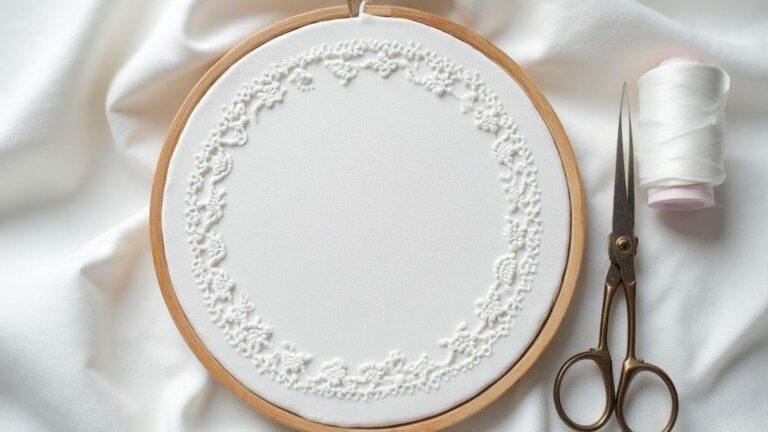
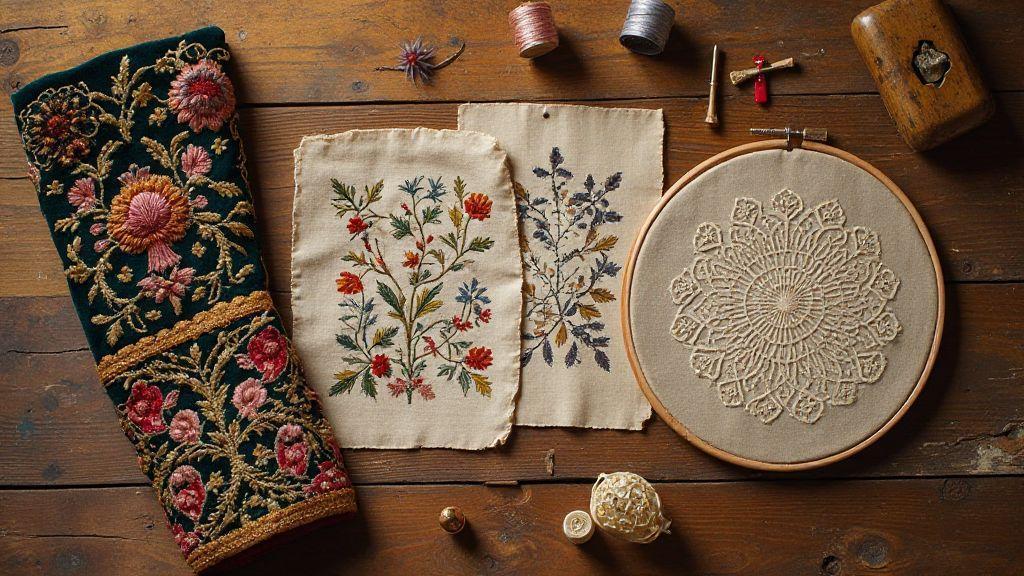
Period needlework books offer patterns you can draw from with respect and a touch of your own style: floral garlands, fruit scrolls, and heraldic shapes that translate to modern materials. Copy or adapt with readable scale for your fabric and threads. Start simple, test color palettes on practice fabric, and then build confidence by repeating motifs in panels or samplers.
Respect the linework and spacing those old patterns expect. The elegance often comes from clear outlines and deliberate negative space. On fine linen, use fine threads to mirror lightness; on heavier fabric, lean into bolder stitches to preserve proportion. Aim for a faithful yet fresh interpretation, not a carbon copy. The History of English Needlework: From Tudor Courts to Modern Makers provides historical guidance to inform your modern take.
Jacobean Crewelwork Designs
The Jacobean era brings bold motifs to life in crewel and wool. Stitches stack color to form dense, textured surfaces. In your hands, this style becomes a wearable story, not just a picture to hang. Choose crewel for depth—the woolen glow, the slight loft, and the way light shifts across stitch lines. Each loop carries both history and personal meaning.
Jacobean crewelwork stitches and wool stand out: long and short stitches shape curves, while satin and chain stitches add crisp edges. The wool’s thickness makes outlines bold, and the fills build up with stacked rectangles that read as leaves and petals. Don’t worry about perfection—the charm is in the texture and plush look that wool provides. The result feels timeless, like a miller’s daughter’s keepsake.
Stylized trees, birds, and scrolls appear in pairs or clusters: upward-stretching branches, birds nestled among leaves. These motifs are inspired rather than exact copies of nature, varied in size and color to echo a memory or mood. The effect is a window into a storybook stitched by your hands.
Domestic hangings and furniture textiles
Your domestic hangings and furniture textiles become more than decoration; they’re daily reminders of craft and care. Panels and cushions edged with crewel borders, a sofa throw inviting touch—the wool’s heft lends durability while keeping color and texture vibrant. Layer color, contrast, and dense stitching to create pieces that feel connected to a family’s history, not just a room’s style.
Victorian Samplers and Social History
You know how a simple stitch can tell a bigger story? Victorian samplers act as time capsules, weaving lessons, family ties, and classroom life into one fabric. They reveal the daily life of 19th-century households and schools—the colors, patterns, and even mistakes that reflect a culture where needlework was a standard part of learning, a reflection of moral codes, and a measure of progress. Victorian samplers aren’t only keepsakes; they’re quiet evidence of how people lived, learned, and measured themselves against social expectations.
The craft carried a vibe of respectability: alphabets, numbers, and motifs that promoted discipline and neatness. Patterns mapped good behavior—accuracy, patience, and perseverance. Some samplers carry verses about virtue or duty, stitched into a square you could hold. Studying them reveals the pride families took in educating girls and the push toward a standardized curriculum that matched a rising middle-class ideal.
Yet every sampler also holds individuality. You’ll spot personal touches in lettering, color choices, or a motif tucked into the margins. This balance between shared learning and private expression makes samplers a bridge between public instruction and personal creativity. For historians, they’re a quiet archive of schooling routines, gender expectations, and daily rhythms—the need to finish an assignment, present a neat piece, and honor a teacher or parent. The History of English Needlework: From Tudor Courts to Modern Makers ties these Victorian stitches to a long tradition, helping you see continuity and change across centuries.
Victorian samplers in schools
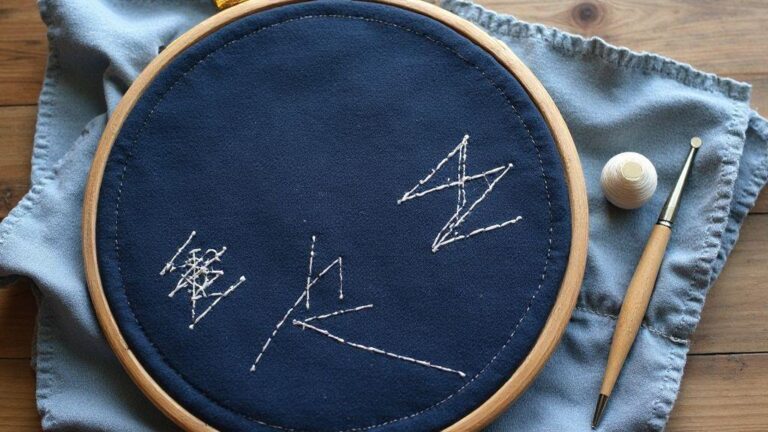
In schools, samplers were practical tools as much as art. Curricula built around spelling, arithmetic, and moral lines were stitched into fabric, practicing legible handwriting and tidy stitching. Stitching turned classroom time into a productive ritual, reinforcing discipline while allowing color and layout to express personality. Comparing regional samplers shows how local values appeared in motifs—flowers, animals, or religious symbols that felt familiar to the community.
The classroom purpose wasn’t only technique; it shaped you. Teachers expected precise patterns, mistake-correction, and a neat finished piece. You’d be graded on accuracy, spacing, and presentation, not just the idea. The pressure echoes across generations—your foremothers felt it too. The reward wasn’t only a good mark but a visible record of effort to keep for years.
As a practice, these samplers built confidence: patience, planning, and a steady hand. They created a shared language of progress—each stitch a step toward a more capable you. Studying school samplers side by side shows how the same skills valued across decades, reflecting a cultural moment when education and virtue walked hand in hand.
Needlework social history and moral lessons
Needlework in social history is more than pattern and thread; it’s a school of values. Verses about diligence, obedience, and piety sit beside floral borders, stitching a conscience into fabric. Margins tell stories too: initials, from mother, or family emblems reveal lineage and the transmission of craft knowledge. Some samplers carry masculine or religious motifs; others favor domestic symbols like flowers or birds. The mix shows how norms shaped what was correct to stitch. When interpreting a sampler, ask what motifs say about the maker’s place in society and how that might shape your own sense of belonging.
For historians, these pieces are a quiet archive. They document schooling routines, gender expectations, and daily life rhythms—the need to finish an assignment, present a neat piece, and honor a teacher or parent. The History of English Needlework: From Tudor Courts to Modern Makers frames today’s practice within a long, storied tradition.
Samplers as research sources for historians
Samplers capture education, morality, and family dynamics in a single artifact. You can date a piece by letter typography, verse language, and border style. Stitching techniques point to regional workshop habits, while motifs reveal popular beliefs and local pride. A collection exposes patterns of schooling access by class or geography and shifts in moral messaging over time.
Researchers use samplers to triangulate information from letters, school records, and diaries. The fabric becomes a cross-check: what people claimed in writing versus what they demonstrated in stitching. Small notes tucked into the edge—owner initials, school names, or dates—anchor the piece in a timeline. This makes samplers invaluable for understanding technique and social life alike. The History of English Needlework: From Tudor Courts to Modern Makers provides a continuous thread through these Victorian stitches, highlighting continuity and change.
The biggest payoff? A deeper sense of ordinary life. You’re studying a craft and uncovering how communities taught manners, measured progress, and preserved memory. The History of English Needlework: From Tudor Courts to Modern Makers helps you see that continuity across centuries.
Textile Conservation and UK Collections
Textile conservation in the UK protects our embroidery heritage for future generations. Conservators stabilize fragile fabrics, repair worn edges, and document every step so the story behind the threads stays intact. The work blends science and craft, using careful cleaning, humidity control, and ethical repair. When you see a conserved piece in a gallery, you’re looking at years of decision-making that keeps the original needlework readable and safe. This is how you connect with history—the way a single stitch reveals time, place, and maker, and how a preservation plan keeps that voice alive.
Conservation prioritizes minimal intervention. Reversible methods let future restorers re-treat as new techniques emerge. Cataloging every thread, dye, and knot maintains provenance, showing how embroidery traveled from wearer to curator, from hands to display case. The aim is to stabilize, not erase, so you can study the craft while respecting the material’s limits. Your gallery experience grows richer when you see the care behind every visible thread. The History of English Needlework: From Tudor Courts to Modern Makers often features in discussions about conservation, framing today’s practice within a long tradition you’re part of when viewing the work.
Textile conservation UK practices
Conservation in the UK focuses on stability and reversibility: humidity and temperature control, gentle cleaning, and sturdy support for fragile fabrics. Condition documentation before and after treatment lets you trace a piece’s health over time. The aim is to stop further damage without changing the original look or intent.
Ethical repair matters. Conservators use color- and weight-matched threads and discreet reinforcements so you can study original stitches without risking harm. This approach keeps historical embroidery readable and adapts to new knowledge over time.
Education is part of UK practice. Workshops and demonstrations teach practical tips you can apply at home—gentle storage, minimal handling, and avoiding direct sunlight. Shared learning helps you become a better steward of your own textiles. The History of English Needlework: From Tudor Courts to Modern Makers situates these practices in a living tradition you’re part of when you view the work.
Caring for historic embroidery at home
Caring for historic embroidery at home starts with a gentle routine. Handle pieces with clean hands and support them on a flat, soft surface to prevent new creases. Keep provenance plaques or labels and avoid touching the fabric. Clean with a soft brush and avoid water unless you know the dye is stable.
Store pieces in acid-free tissue, in a cool, dry place away from direct light. Avoid plastic sleeves that trap moisture. If a needlehole or seam shows wear, you can reinforce from the back with a discreet stitch in matching thread, only if you’re confident in your technique. When in doubt, consult a local textile conservator—saving a piece starts with asking the right questions.
If you want to show care to family and visitors, keep a simple care log: move dates, observations, and any treatments performed. This helps future caretakers maintain the story. Your careful hands today keep the thread that connects Tudor courts to modern makers alive for tomorrow. The History of English Needlework: From Tudor Courts to Modern Makers remains a guiding reference as you care for pieces at home.
Modern Makers and Revival Trends
You’re stepping into a world where old stitches meet bold ideas. Modern makers revive lost techniques with fresh fabrics, palettes, and uses. Embroidery appears in streetwear, home decor, and small wall pieces that feel both ancient and current. It’s a community—and a personal signature—through every thread. The revival isn’t about copying the past; it’s about reinterpreting it for how you live today. The History of English Needlework: From Tudor Courts to Modern Makers serves as a touchstone as contemporary makers reimagine Tudor and Elizabethan techniques.
You may find studios blending distant traditions with your city’s vibe. Modern makers combine hand stitches with machine applique or layer embroidery over prints to read as both vintage and futuristic. Your projects can follow: take a traditional motif, add a neon pop or bold geometry, and wear or display it with pride. It’s this mix of ideas that keeps the scene alive and inviting for experimentation. The History of English Needlework: From Tudor Courts to Modern Makers remains a useful reference as you explore texture, color, and surface.
There’s a shift toward sustainability and accessibility. Revival trends emphasize small, portable projects on repurposed fabrics with open design packs, zines, and video tutorials—helping beginners learn and experiment. The craft moves forward while honoring the past, and every stitch links you to a history you can carry into your own future. The History of English Needlework: From Tudor Courts to Modern Makers provides context for these practices as you stitch forward.
Modern embroidery makers and studios
You’ll meet studios that feel welcoming—bright light, organized threads, a focus-friendly playlist. These spaces are more than shops; they’re collaborative hubs for learning, swapping scraps, and sharing tips. A modern embroidery maker often runs workshops, hosts pop-up shows, and maintains a rotating gallery. Quick wins and slow, meditative stitching sit side by side, so you can choose projects that fit your schedule.
In studios, you’ll see a mix of traditional handwork and digital planning. Some artists sketch a motif, transfer it, then stitch by hand; others blend hand embroidery with machine work to speed up production without losing texture. You’ll learn to choose fabrics that hold stitches well and threads that sing with color. The vibe is practical and playful: professional results with room to experiment and grow—where mistakes become growth opportunities.
If you’re looking for a studio to visit, seek spaces that value community as much as craftsmanship: beginner-friendly sessions, spacious tables, and opportunities for online classes or guest artists. The right studio can inspire you to try new stitches, swap patterns, and push your boundaries. The History of English Needlework: From Tudor Courts to Modern Makers often comes up in conversations about technique, texture, and tradition as you explore these studios.
Adapting traditional hand embroidery today
You’re not sticking to old rules; you’re bending them to fit today’s life. Adapting traditional hand embroidery keeps the craft’s soul while meeting daily needs. You might pair a time-honored stitch with a modern silhouette or accessory, creating something timeless you can wear or display. Balance—respect the lineage, then add your voice.
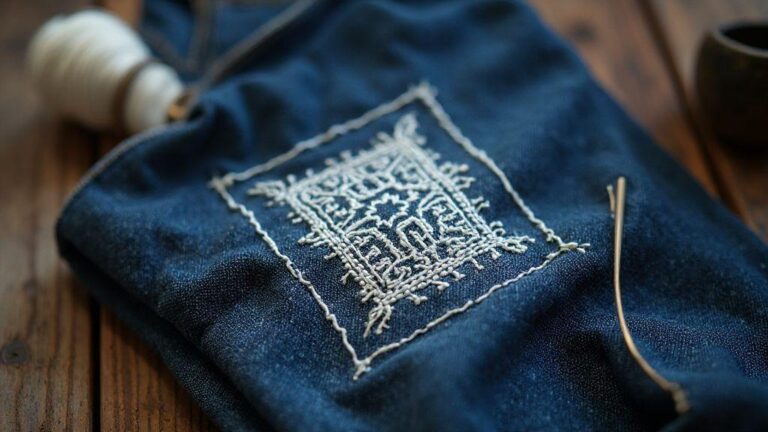
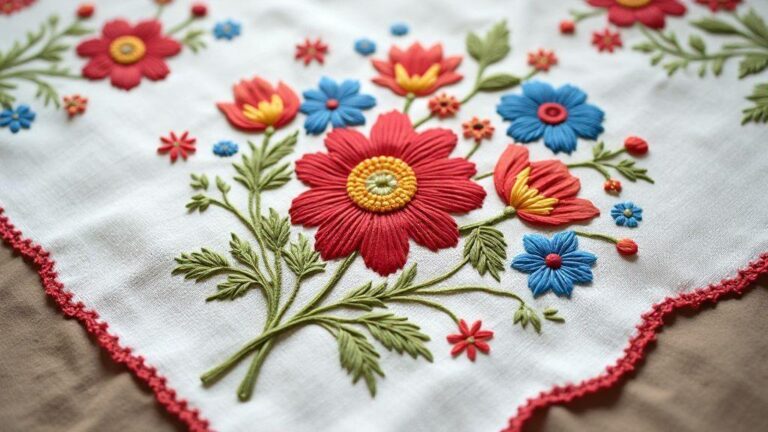
Adapting motifs lets you tell a personal story. A grandmother’s floral design could meet a contemporary colorway, or a border could receive a bolder line that reads as graphic art. Simpler stitches on plain fabric can deliver more impact than busy patterns. The trick is knowing when to strip back and when to let the embroidery breathe, so your piece feels like you, not a museum exhibit. The History of English Needlework: From Tudor Courts to Modern Makers offers timeless guidance as you remix tradition.
Don’t fear mixing cultures and eras. A subtle nod to a traditional motif on a modern tote or wall piece can be striking. Cross-cultural borrowing can energize your work and keep it relevant to daily life. The practice becomes about technique and the stories you want to carry with you. The History of English Needlework: From Tudor Courts to Modern Makers provides a throughline as you explore new combinations.
Online communities, workshops, and craft schools
You’ll find a network that feels like a cooperative. Online communities provide ideas, encouragement, and feedback from makers who share your interests. You can post a work-in-progress photo, ask for color advice, or request a stitch-tension critique. These spaces keep you motivated, especially when learning a new technique or tackling a larger project.
Workshops and craft schools offer hands-on learning with seasoned teachers. You’ll receive direct guidance, see stitches demonstrated up close, and access curated kits that make starting simple yet satisfying. A good workshop leaves you with a clear plan: a small project to finish and a few new stitches to try next. Momentum matters, and the right class will leave you inspired to stitch, not overwhelmed by rules. The History of English Needlework: From Tudor Courts to Modern Makers often comes up in discussions about technique, texture, and tradition as you explore these formats.
As you dive into online classes or in-person sessions, you’ll notice how learning in structured settings parallels learning in a studio. You gain both discipline and freedom, and the thread that connects Tudor courts to modern makers becomes a living practice in your hands. The History of English Needlework: From Tudor Courts to Modern Makers remains a useful reference in these conversations as you grow as a maker.
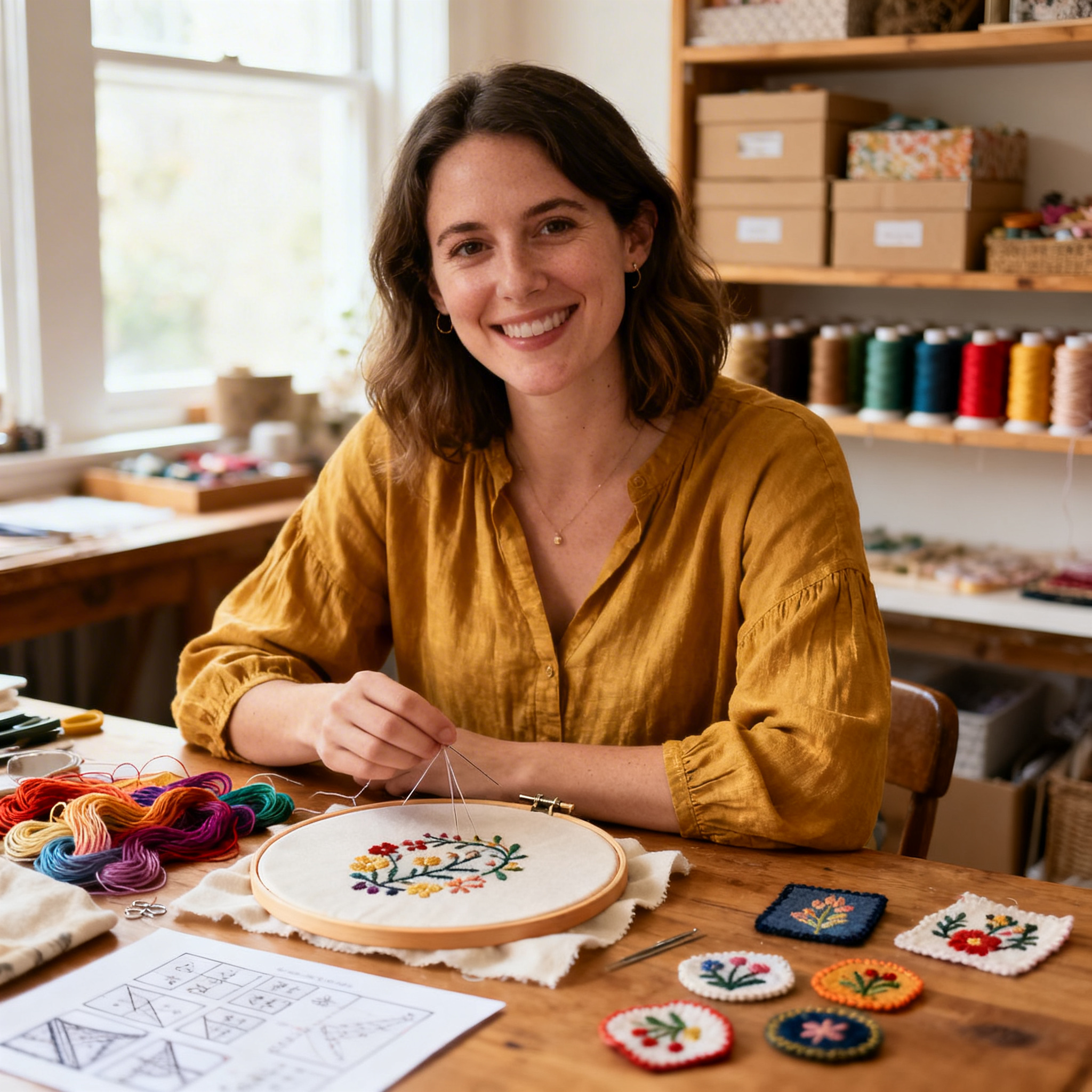
I’m Sophie Caldwell, the author behind granaboom.com, and I believe hand embroidery is one of the simplest, most relaxing ways to create something beautiful with your own hands. I started this blog to help beginners learn hand embroidery without feeling overwhelmed by complicated instructions or “perfect” results.
Here you’ll find beginner-friendly guides to decorative embroidery stitches, along with clear step-by-step practice ideas and patterns you can use to build confidence. My focus is on making the learning process easy: simple explanations, helpful stitch combinations, and small projects that look polished even when you’re just starting out.
Welcome to granaboom.com—grab your hoop, choose a few colors, and let’s stitch one line at a time.