The Difference Between Embroidery Floss, Perle Cotton, and Wool Thread
How fiber affects your stitch
When you pick a fiber, you’re shaping the body and feel of your embroidery. Some fibers lay flat and smooth, others carry texture. Your stitch behaves differently depending on the fiber, so aim to match fiber to the look you want. For neat, tidy lines, choose a fiber that lies flat and stays even. For stitches with character, opt for a fiber with bite or fluff. You’ll also notice differences in threading ease, slipperiness, and fraying. Your choice sets the tempo, tension, and final look of your piece.
Perle cotton, wool thread, and other fibers each bring a distinct personality. Perle cotton is smooth, strong, and keeps a crisp line. Wool thread offers a soft, cushy feel that adds depth and warmth. Other fibers can be shiny, matte, or a touch fuzzy. The trick is to test a small sample on your fabric before committing to a big stitch. You want consistency so your project reads as a single piece, not a patchwork of fibers.
As you practice, you’ll learn how each fiber behaves under tension. Too-tight stitches pull the fabric; too-loose stitches look sloppy. With the right fiber, your stitches glide, lines stay crisp, and the fabric breathes with every pass of your needle. The fiber you choose sets the stage for everything—from stitch length to thread tension to the final look. Your hands learn the rhythm, and your eyes learn to expect the feel of the fiber you’re using.
Perle cotton characteristics and uses
Perle cotton is smooth and strong, with a subtle sheen that helps stitches pop without being sparkly. It’s easy to thread, takes up little space in the needle, and holds its shape well. It keeps lines neat and satin fills gliding across the fabric. Use it for outlining, backstitch, or any line that benefits from a clean edge. Perle cotton is a reliable workhorse for a tidy finished look that won’t wiggle under the needle.
Perle cotton comes in many thicknesses, from delicate to bold. A thinner size gives fine detail; a thicker size makes a bold statement. A mid-range size is a good starting point to see how it behaves on your fabric. It doesn’t split easily, keeping stitches uniform. For beginners, it’s forgiving and helps you learn control. Pairing perle cotton with simple stitches can yield a polished project quickly.
Wool thread for hand embroidery tips
Wool thread brings a warm, cushy texture to stitches. It’s a bit fuzzier than perle cotton, adding a soft halo that’s perfect for cozy, folk-art vibes. Wool can be springy, so keep tension steady. It’s great for shading and texture because fibers catch light in a gentle, living way. If you’re after depth and an artisanal feel, wool is your friend.
Choose a smooth-wrapped wool for cleaner lines, or a loftier variety for more texture. Wool may shed fibers or split as you stitch, but that rough charm is part of its character. Start with simple shapes to feel how it behaves, then move to gentle shading and longer stitches. Wool is forgiving when your fabric is taut and your pull steady.
Feel and texture guide for beginners
Feel how your fiber sits in your fingers—smooth and firm, or soft and fluffy. If it glides through fabric with little resistance, your stitches will stay even. If it catches or frays, slow down and adjust your grip. For beginners, use a fabric that isn’t too dense and a fiber that doesn’t break easily. Build confidence first with straight lines and simple shapes so you can sense the fiber’s personality without losing your place.
The Difference Between Embroidery Floss, Perle Cotton, and Wool Thread: Quick Reference
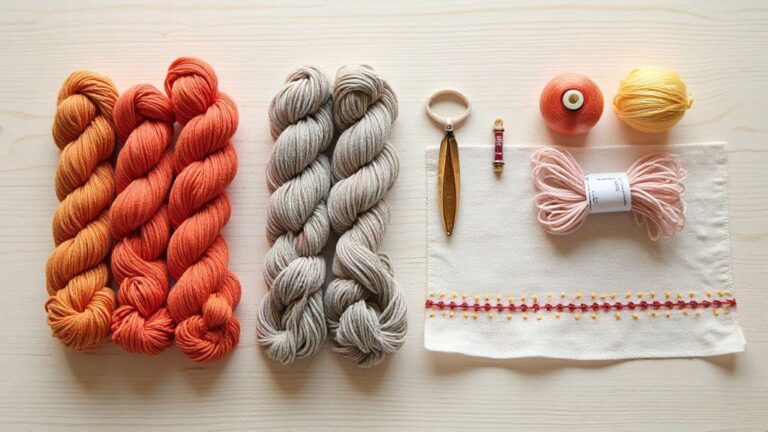
- Embroidery floss: six-strand, versatile, easy to split; forgiving for beginners; good for shading and flexible thickness.
- Perle cotton: single, tight twist; strong, holds shape, crisp lines, satin-like finish; ideal for outlines and clean fills.
- Wool thread: textured, warm, lofted; adds depth and a hand-made feel; best for cozy, rustic looks.
The Difference Between Embroidery Floss, Perle Cotton, and Wool Thread matters because it guides your project mood, surface look, and stitch behavior. Use floss for柔 shading, perle for crisp edges, and wool for texture and warmth. You can even mix them on the same piece to balance outcomes.
Strands and weight explained
Understanding strands and weight helps you predict stitch behavior. Strands are the little threads you can pull apart to thicken or thin a line. More strands = thicker line; fewer strands = finer line. This changes how the needle passes through fabric and how your stitches sit on the surface. Knowing how many strands you’re using helps you estimate coverage and thread length needed.
Choosing the right weight makes the design pop. A lighter weight is great for outlines and subtle shading; a heavier weight suits bold fills and accents. Keep notes on strand counts for each effect so you can repeat it in future projects.
How many strands in embroidery floss
Embroidery floss usually comes in six strands. You can separate them to create thinner lines or use all six for bold blocks. Beginners often start with two strands for most fabrics and stitches because it’s forgiving. One strand works for delicate shading on light fabrics; six strands for thick coverage. You can mix by using three or four strands for between-thickness effects.
Using fewer strands helps with precision; more strands cover more area quickly. Your stitches sit differently on the fabric depending on strand count, so keep a simple chart handy: one strand for fine lines, two for standard work, three to four for medium fill, and all six for solid coverage.
Thread weight comparison embroidery floss perle cotton wool
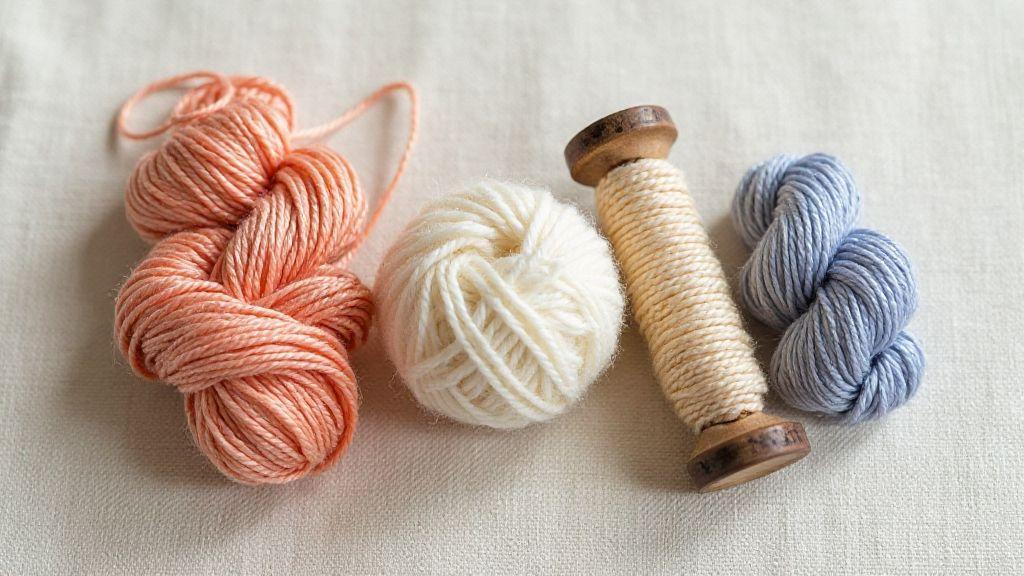
When you compare weights, each thread type behaves differently. Embroidery floss is versatile and easy to split; perle cotton is smooth and comes in thicknesses with a glossier finish and less fraying; wool thread is softer and heavier, adding texture and warmth. Each type offers a different mood, so choose based on the effect you want.
For a tight, shiny line, pick thicker perle cotton. For soft, tactile texture, wool adds depth. For flexible, classic finishes, embroidery floss is ideal because you can adjust thickness by splitting strands. The goal is to control how your needle glides through fabric and how the thread sits on the surface.
Match thread weight to needle size
Your needle size should fit the thread weight. Thinner threads need finer needles; thicker threads need larger needles. If the needle is too big, you risk snagging; if too small, the thread may fray. Start with a medium needle for most floss projects and adjust as needed.
When switching thread types, recheck needle size. Perle cotton often benefits from a slightly larger needle than floss because it’s less forgiving. Wool usually needs an even bigger needle to prevent snagging. Your aim is a smooth, even stitch that lies flat on the fabric.
Durability and care for your thread
Durability and care affect how your project wears and lasts. Thread choice influences texture, shine, and wear with washing or friction. Some threads feel sturdy in hand, others look delicate but hold up with gentle handling. Consider how much wear your piece will see and plan care accordingly to keep stitches crisp and colors bright longer.
Handle thread with care from the start. Pulling too hard can snap fibers or cause knots. Keep tension even and trim tails close to the fabric to reduce back snagging. Clean needles, smooth hoops, and a dry workspace also help prevent frays. With consistent handling, your embroidery will stay vibrant and sturdy.
Perle cotton vs embroidery floss durability
Perle cotton generally feels stiffer and holds its shape, which favors clean outlines and bold lines. It resists snagging and stands up to wear. Embroidery floss is softer and can fray more easily on fine fabrics but offers a silky finish. Choose based on use: sturdy items with wear may benefit from Perle cotton; delicate samplers may shine with embroidery floss. The Difference Between Embroidery Floss, Perle Cotton, and Wool Thread is evident in hand feel and stitch behavior.
In practice, Perle cotton yields compact stitches that don’t sag as you work, while floss can be split to adjust thickness but may twist if not managed evenly. For pieces that see washing, Perle cotton often holds up better; floss provides softness and sheen. Pick by desired look and care expectations.
Care and washing instructions for embroidery threads
Test a small area first to see color behavior and whether dye bleeds. Hand wash most pieces in cold water with mild detergent; avoid long soaks. Dry flat away from direct heat. If machine washing, use a gentle cycle and a mesh bag. Iron on low heat, pressing on the back with a cloth to protect stitches. Gentle care keeps threads bright and stitches neat over time.
If threads fray, trim ends and resecure knots rather than tugging. Weave ends in a new direction or hide them under nearby stitches. Store finished pieces away from direct sun and moisture. With consistent care, your embroidery will stay vibrant for years.
Simple storage and repair tips
Store threads in small labeled containers or zip bags, with ends tucked to prevent snagging. If tangling occurs, unwind by hand. For repairs, weave a tiny strand over the damaged area or stitch nearby to camouflage. A tidy, organized space speeds repairs and keeps you stitching more often.
Picking threads for specific projects
Choosing the right thread changes how your embroidery looks and feels. Brighten colors with the right fiber, achieve smooth stitches, and reduce frustration by pairing thread type with project needs. Delicate, airy designs benefit from threads that lay flat and shine gently; bold, textured pieces call for thicker threads.
Wool thread brings warmth and loft; cotton gives crisp lines; floss or perle cotton offer distinct sheens and thickness. A small swatch book helps you test how a stitch sits, shade, and sheen on different fabrics. Your future projects will thank you for this routine.
Best thread for crewel embroidery wool or cotton
Crewel looks best with threads that show texture without overpowering the fabric. Wool is a popular choice for its natural fuzz and warmth on linen or cotton, delivering soft depth. Cotton offers crisper lines and detailed work on tighter fabrics. You can blend cotton with a touch of wool for a balance of texture and clean edges. Try swatches to see how wool’s fuzz contrasts with cotton’s sharpness.
Choosing the right thread for cross stitch and crewel
For cross stitch, cotton floss or floss variants give a smooth, even fill. For large color blocks, floss provides bright coverage; for detailed work, use more strands to reach the desired thickness. Crewel favors wool or thicker cotton for texture; for crisp outlines, consider cotton perle or smaller floss. If mixing textures, plan thread choices from the start to keep shadows and highlights cohesive.
Project-thread pairing rules
Match thread weight to fabric weight and stitch size. On light linen, use finer floss or perle; on sturdy fabrics, you can opt for wool or heavier perle. Swatch before committing to color or thread type. Maintain color harmony by keeping within a color family and reserving brighter colors for highlights. If mixing thread types, do it where it won’t disrupt the overall look. Choose colorfast threads if the piece will be washed. Your goal is quiet cohesion that feels intentional.
How appearance changes by thread type
Thread choice changes how stitches look, feel, and behave. Different threads catch light, behave under tension, and show texture in unique ways. A single stitch can appear flat with one thread and puffy with another. Your choice also affects how easily the thread slides through fabric and how visible stitches are from a distance. Test a small sample to ensure the look matches your vision.
Your fabric matters too. A smooth cotton surface makes finer threads sing, while a textured surface can amplify thicker threads. For bold color blocks, thicker threads provide solid areas; for delicate shading, finer threads blend gradually. Pair fabrics and threads with intention for a cohesive result.
Embroidery floss vs perle cotton
- Embroidery floss: six strands, soft and forgiving, ideal for shading and flexible thickness.
- Perle cotton: single strand, strong and crisp, great for outlines and solid fills. You can mix them—floss for fills, perle for borders—to combine softness and structure.
Difference between perle cotton and wool thread
- Perle cotton: flat, smooth, crisper stitches with a satin-like finish.
- Wool thread: fuzzy, textured surface with warmth and loft for a hand-spun look. For crisp surfaces, choose perle cotton; for tactile depth, try wool thread.
Visual finish guide for stitches
- Plan your finish first: crisp edges with perle cotton; blends with floss for gradients.
- Aim for consistency: even tension and uniform stitch length.
- Consider light catching: glossy threads pop under light; matte ones stay subtle.
- Finish with care: secure ends neatly and trim tails close to the fabric.
Buying and storing thread like a pro
When starting hand embroidery, choose beginner-friendly threads that are smooth and split-resistant. Look for clear color names and numbers to repeat projects easily. Start with a small starter kit and expand as you practice. Store by type, color family, and weight in clear containers or labeled zip bags. Keep frequently used colors within reach and rotate stock to use older shades first. A tidy system saves time and keeps you stitching.
Where to buy quality perle and wool
Perle cotton has a compact twist and a smooth finish; look for sizes like 5, 8, or 12. For beginners, sizes 8 or 12 are friendly. Wool should be smooth-plied and labeled for embroidery to avoid loose fibers. Shop reputable brands with clear fiber content and care instructions. Compare local stores and online shops, check color ranges, and read reviews for how fibers wash or iron. Test a color on fabric before stocking up.
Tools and storage to keep threads safe
A few tools keep thread care simple: a needle threader, sharp scissors, a fine-point labeling pen, and color labels. Store sharp tools safely out of reach. Wipe surfaces with a microfiber cloth before stitching. Use shallow labeled drawers or clear containers to see colors at a glance, and consider a small magnetic pin mat for needles. Regularly maintain your storage: replace frayed labels, re-roll loose spools, and smooth dusty threads before use.
Labeling and care notes for your stash
Label everything clearly with color name or number, fiber type, and weight. Keep a tiny notebook or digital note with care instructions for each fiber. Practical care notes help you pre-wash or skip shades for delicate fabrics. A quick reminder sticker on storage helps you remember tips while you work. A precise stash makes tackling new stitches and patterns more confident.

I’m Sophie Caldwell, the author behind granaboom.com, and I believe hand embroidery is one of the simplest, most relaxing ways to create something beautiful with your own hands. I started this blog to help beginners learn hand embroidery without feeling overwhelmed by complicated instructions or “perfect” results.
Here you’ll find beginner-friendly guides to decorative embroidery stitches, along with clear step-by-step practice ideas and patterns you can use to build confidence. My focus is on making the learning process easy: simple explanations, helpful stitch combinations, and small projects that look polished even when you’re just starting out.
Welcome to granaboom.com—grab your hoop, choose a few colors, and let’s stitch one line at a time.