Seasonal Floral Embroidery: Designing a Year-Round Collection
Introduction to Year-Round Seasonal Floral Embroidery Design
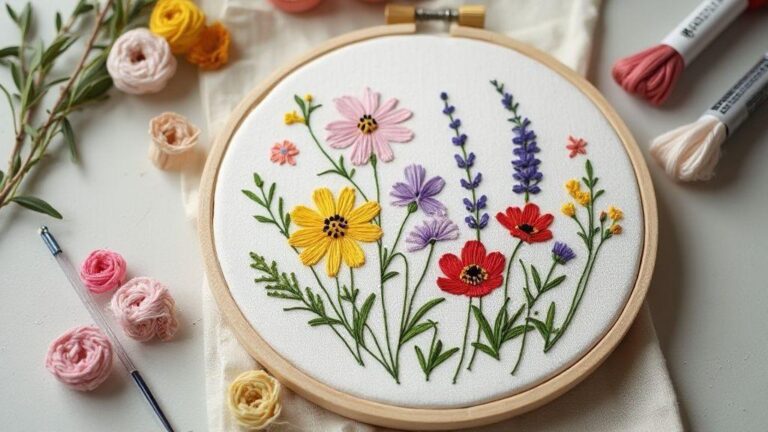
Seasonal floral embroidery transforms your creative practice into a dynamic, evolving collection that captures the essence of each season. When you design a year-round collection, you embrace the natural rhythm of nature, creating embroidered pieces that resonate with collectors and crafters throughout every month. The seasonal floral embroidery approach allows you to celebrate spring’s delicate renewal, summer’s vibrant abundance, autumn’s warm transformation, and winter’s elegant sophistication—all within a cohesive artistic vision. This comprehensive design strategy appeals to modern embroiderers who crave variety while maintaining visual consistency across their work. You’ll discover that designing seasonal embroidery collections generates sustained customer interest, encourages repeat purchases, and establishes you as an authority in floral needlework design.
Why Seasonal Collections Drive Customer Loyalty
You create emotional connections when you align your floral embroidery designs with the seasons your customers experience. The psychological appeal of seasonal themes taps into deep human connections to nature’s cycles—people naturally crave spring renewal, summer celebration, autumn gratitude, and winter reflection. Your seasonal embroidery collection becomes more than decorative; it becomes a ritual, a tradition, a way for customers to mark the passage of time through beautiful handmade art. This emotional resonance transforms casual buyers into devoted collectors who anticipate each seasonal release. You’ll notice that year-round embroidery collections generate predictable revenue streams because customers plan purchases around seasonal transitions, creating natural sales cycles that repeat annually.
The Business Opportunity in Seasonal Floral Design
You unlock significant commercial potential by developing a seasonal floral embroidery collection that serves multiple markets simultaneously. Crafters purchase patterns to stitch themselves, gift-givers seek seasonal embroidered items, home décor enthusiasts rotate pieces with the seasons, and collectors build comprehensive embroidery collections over time. This multi-market approach maximizes your revenue potential compared to standalone designs. The seasonal design strategy also allows you to leverage seasonal shopping behaviors—spring cleaning, summer entertaining, autumn harvest celebrations, and winter holidays all drive purchasing decisions. You position yourself strategically by offering exactly what customers want at precisely the moment they want it.
Building Visual Cohesion Across Seasonal Designs
You maintain brand recognition and collection integrity by establishing a consistent design system that unifies your seasonal floral embroidery pieces. This means developing repeating visual elements, a signature color approach, standardized sizing, and recognizable stitching techniques that make your work instantly identifiable. Your year-round collection should feel like a unified body of work, not random seasonal designs from different artists. This visual consistency builds trust and recognition, making customers eager to collect every piece you release. You’ll discover that cohesive seasonal embroidery collections command higher prices and generate stronger customer loyalty than disconnected individual designs.
Spring Floral Embroidery: Capturing Renewal and Fresh Beginnings
Selecting Spring Flowers That Symbolize New Growth
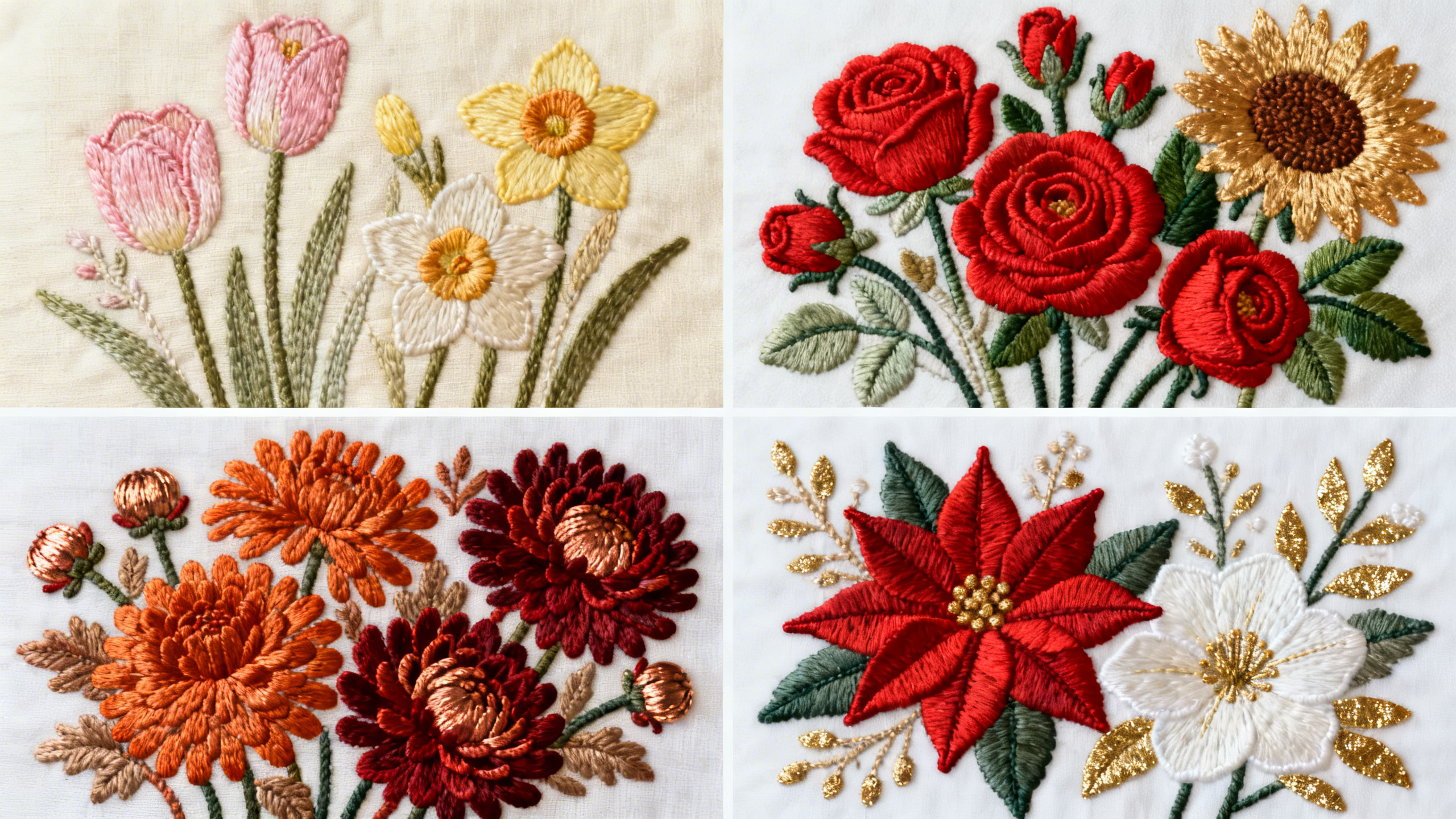
You choose spring flowers that embody renewal, hope, and awakening—the emotional core of the season. Tulips represent perfect love and elegance, offering clean lines and bold color that translate beautifully to floral embroidery designs. Daffodils symbolize new beginnings and rebirth, their trumpet-shaped centers providing interesting structural variety. Cherry blossoms evoke delicate beauty and transience, perfect for creating ethereal, romantic seasonal floral embroidery pieces. Hyacinths offer dense, textured flower heads that showcase your stitching skills, while primrose flowers provide charming, cottage-garden appeal. You incorporate these spring botanical elements into your seasonal embroidery collection to create immediate seasonal recognition. Each flower choice communicates spring’s essence while offering distinct design opportunities.
Developing Spring’s Signature Color Palette
You establish your spring collection’s visual identity through a carefully curated color palette that evokes the season’s gentle awakening. Soft pastels—blush pink, pale yellow, light lavender, and mint green—create the delicate, hopeful feeling spring demands. You incorporate creamy whites and soft grays as neutrals that allow your floral colors to shine without overwhelming the design. Pale green shades represent new growth and emerging foliage, grounding your floral embroidery designs in natural authenticity. This pastel approach distinguishes your spring collection from other seasons while remaining sophisticated and wearable. You’ll notice that this color strategy for seasonal floral embroidery creates immediate visual recognition—customers see these soft tones and instantly think “spring.”
Spring Design Themes and Project Applications
You develop spring-specific design themes that resonate emotionally with your audience. Garden renewal themes celebrate the return of life after winter, featuring flowers emerging from soil or intertwined with new growth. Easter and spring celebration designs incorporate traditional symbols like eggs, bunnies, and baskets alongside your floral embroidery elements. Botanical awakening themes showcase individual flowers in various stages of bloom, telling the story of spring’s progression. You apply these themes across diverse project types: spring wreaths for doors and walls, Easter-themed designs for holiday décor, garden-inspired pieces for nature lovers, and delicate framed botanicals for year-round display. This thematic variety within your seasonal embroidery collection ensures multiple project options for different customer preferences and skill levels.
Spring Stitching Techniques for Delicate Florals
You employ fine, delicate stitches that honor spring’s gentle aesthetic while showcasing technical skill. Long and short stitch creates subtle shading that brings depth to delicate petals without overwhelming them. Split stitch outlines define flower shapes with precision, perfect for the clean lines spring flowers demand. Seed stitch adds texture to flower centers and foliage, creating visual interest without bulk. You incorporate light color blending to create natural gradations—moving from pale pink to deeper rose within a single petal, suggesting dimension without heavy stitching. This refined stitch selection for your spring floral embroidery communicates sophistication and technical mastery. You’ll discover that delicate stitching techniques elevate your seasonal embroidery designs from craft to art.
Summer Floral Embroidery: Celebrating Vibrant Energy and Abundance
Summer Flowers That Demand Bold Expression
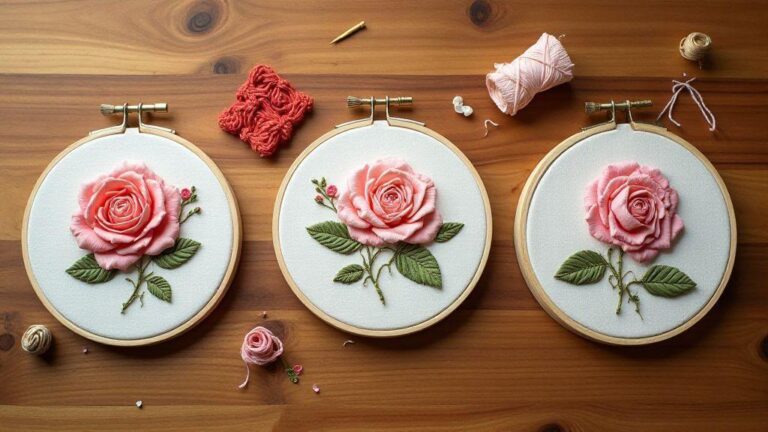
You select summer flowers that showcase vibrant color and generous form—flowers that celebrate abundance and vitality. Sunflowers represent joy and loyalty, their large, bold structure creating dramatic focal points in your floral embroidery designs. Roses in their full summer glory offer endless variety—from delicate garden roses to dramatic hybrid teas—each providing unique design opportunities. Lavender brings both color and texture, its spiky flower heads creating interesting visual contrast. Dahlias offer complex, layered petals that showcase your stitching prowess, while zinnias provide cheerful, accessible charm. Cosmos flowers add airy elegance, and ornamental grasses introduce movement and texture. You incorporate these bold botanical elements into your seasonal floral embroidery collection to celebrate summer’s exuberant energy. Each flower choice communicates abundance while offering distinct visual and technical challenges.
Summer’s Rich, Vibrant Color Strategy
You establish summer’s visual identity through bold, saturated colors that capture the season’s intensity and warmth. Deep reds and crimsons create dramatic impact, perfect for roses and dahlias. Vibrant yellows and golds celebrate sunlight and joy, essential for sunflowers and complementary accents. Rich purples and deep lavenders add sophistication and depth, particularly effective in lavender designs. Warm oranges and burnt sienna introduce warmth and energy, perfect for transitional pieces. You incorporate lush greens in multiple shades—from pale spring green to deep forest—creating natural foliage that grounds your floral embroidery designs. This saturated color approach for your seasonal embroidery collection creates immediate visual impact and distinguishes summer pieces from other seasons. You’ll notice that bold colors generate strong emotional responses, making summer pieces highly shareable on social media.
Summer Design Themes and Diverse Project Ideas
You develop summer-specific themes that celebrate abundance, celebration, and vitality. Garden abundance themes showcase multiple flowers in lush arrangements, celebrating nature’s generosity. Summer celebration designs incorporate picnic elements, garden parties, and outdoor joy alongside your floral embroidery. Botanical studies feature individual flowers in detailed, scientific-style presentations, appealing to nature enthusiasts. Wildflower meadows create movement and energy, perfect for dynamic compositions. You apply these themes across diverse projects: large framed botanical pieces for statement walls, wearable embroidery on clothing and accessories, garden-themed home décor including pillows and table runners, bold floral bouquets for gifting, and mixed-media pieces combining embroidery with other techniques. This project diversity within your seasonal embroidery collection ensures options for every customer preference and skill level.
Summer Stitching Techniques for Bold Impact
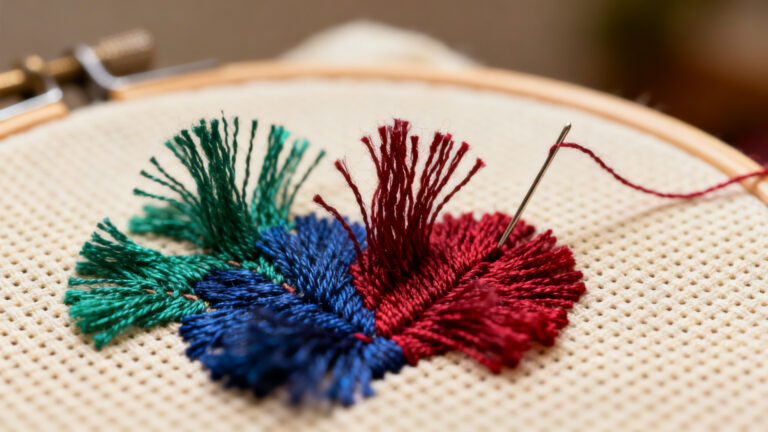
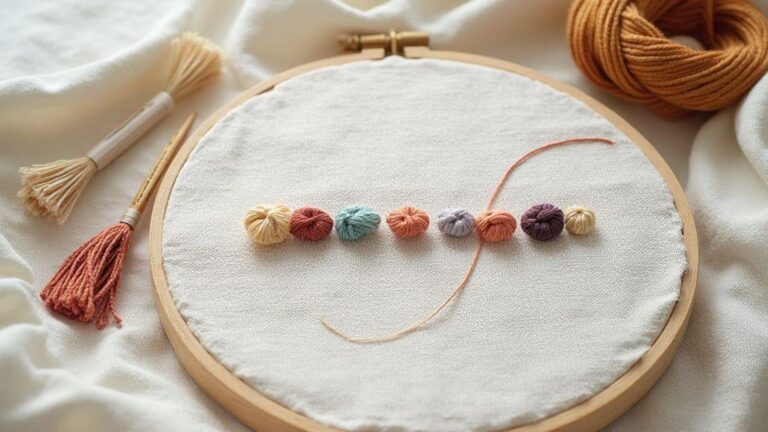
You employ dimensional, bold stitches that honor summer’s exuberant aesthetic. Layered long and short stitch creates rich color blending and depth, perfect for complex summer flowers. French knots add texture and dimension, particularly effective in flower centers and foliage. Bullion knots create raised, sculptural effects that make flowers appear three-dimensional. Turkey work stitch adds fluffy texture to flower centers and foliage, creating tactile interest. Backstitch defines shapes with precision, essential for complex flower structures. You incorporate bold color transitions and dramatic shading to create visual impact. This dimensional stitch selection for your summer floral embroidery creates pieces that demand attention and admiration. You’ll discover that bold stitching techniques elevate your seasonal embroidery designs into gallery-worthy artwork.
Autumn Floral Embroidery: Embracing Warmth and Transformation
Autumn Flowers That Celebrate Harvest and Change
You select autumn flowers that embody transformation, gratitude, and harvest abundance. Chrysanthemums represent joy and optimism, their dense, layered petals perfect for showcasing stitching skill. Dahlias in autumn tones create sophisticated, complex designs that celebrate the season’s richness. Asters offer delicate, star-like flowers that add airiness to autumn compositions. Marigolds bring warm, golden tones that define autumn’s aesthetic. Sunflowers transition from summer into autumn, their golden tones shifting toward deeper, warmer hues. Ornamental grasses introduce movement and texture, essential for capturing autumn’s dynamic energy. Berries and seed pods add natural elements that extend beyond traditional flowers, enriching your floral embroidery designs. You incorporate these warm botanical elements into your seasonal embroidery collection to celebrate autumn’s transformative beauty. Each flower choice communicates gratitude and abundance while offering distinct design opportunities.
Autumn’s Warm, Rich Color Palette
You establish autumn’s visual identity through warm, earthy colors that capture the season’s transformative beauty. Burnt orange and rust create the quintessential autumn feeling, perfect for chrysanthemums and marigolds. Deep reds and burgundy add sophistication and richness, essential for autumn’s emotional depth. Golden yellows and warm golds celebrate harvest abundance and sunlight. Rich browns and copper tones ground your designs in earth and nature. Deep greens and olive tones represent evergreen foliage persisting through seasonal change. You incorporate metallic accents—gold and copper threads—that add luxury and warmth to your autumn floral embroidery pieces. This warm color strategy for your seasonal embroidery collection creates immediate seasonal recognition and emotional resonance. You’ll notice that warm colors generate feelings of comfort and gratitude, making autumn pieces highly desirable for home décor.
Autumn Design Themes and Harvest-Inspired Projects
You develop autumn-specific themes that celebrate transformation, gratitude, and harvest. Harvest abundance themes showcase overflowing baskets, gathered flowers, and celebration of nature’s generosity. Thanksgiving gratitude designs incorporate traditional symbols alongside your floral embroidery, perfect for holiday décor. Autumn transformation themes depict seasonal change—flowers transitioning, leaves falling, nature preparing for winter. Woodland scenes incorporate forest elements, mushrooms, and natural textures alongside flowers. You apply these themes across diverse projects: autumn wreaths for doors and walls, harvest-themed wall hangings, Thanksgiving table runners and placemats, framed botanical studies celebrating autumn flowers, and wearable embroidery in autumn tones. This thematic variety within your seasonal embroidery collection ensures multiple project options for different customer preferences. You’ll discover that autumn pieces appeal strongly to home décor enthusiasts and gift-givers.
Autumn Stitching Techniques for Layered Complexity
You employ layered, textured stitches that honor autumn’s complex, transformative aesthetic. Layered long and short stitch creates rich color transitions and depth, perfect for complex autumn flowers. Turkey work stitch adds fluffy texture to flower centers and foliage, creating tactile interest that celebrates autumn’s abundance. Seed stitch creates texture in backgrounds and foliage, adding visual complexity. Backstitch defines shapes with precision, essential for detailed autumn compositions. French knots add dimension and texture, particularly effective in flower centers. You incorporate warm color blending and dramatic shading to create visual richness. This layered stitch selection for your autumn floral embroidery creates pieces that showcase technical mastery. You’ll notice that complex stitching techniques elevate your seasonal embroidery designs into sophisticated artwork worthy of display.
Winter Floral Embroidery: Expressing Elegance and Quiet Beauty
Winter Flowers and Botanical Elements
You select winter flowers and elements that embody elegance, peace, and celebration. Poinsettias represent festive joy and celebration, their bold red bracts and green foliage defining winter’s aesthetic. Amaryllis flowers offer dramatic, trumpet-shaped blooms perfect for creating focal points. Hellebores (Christmas roses) provide delicate, sophisticated beauty that appeals to refined tastes. Winter berries—holly, winterberry, and others—add color and texture to winter compositions. Evergreen foliage—pine, fir, and holly leaves—ground designs in winter’s persistent greenery. Ornamental branches and seed pods introduce structural interest and natural elegance. You incorporate these elegant botanical elements into your seasonal embroidery collection to celebrate winter’s sophisticated beauty. Each element choice communicates elegance and celebration while offering distinct design opportunities.
Winter’s Jewel-Tone and Metallic Color Strategy
You establish winter’s visual identity through rich jewel tones and metallic accents that capture the season’s luxury and celebration. Deep reds and crimsons create festive warmth and traditional holiday appeal. Rich forest greens represent evergreen persistence and natural beauty. Deep purples and burgundy add sophistication and elegance. Whites and silvers create contrast and suggest winter’s crystalline beauty. Gold and copper metallics add luxury and celebration, perfect for holiday designs. You incorporate jewel-tone combinations—emerald with ruby, sapphire with gold—creating sophisticated, gallery-worthy pieces. This jewel-tone strategy for your winter floral embroidery creates immediate visual impact and positions your work as premium, luxury design. You’ll notice that metallic accents elevate your seasonal embroidery collection into special-occasion territory.
Winter Design Themes and Festive Project Applications
You develop winter-specific themes that celebrate elegance, peace, and celebration. Holiday celebration themes incorporate traditional symbols—wreaths, bells, ribbons—alongside your floral embroidery. Winter botanicals showcase individual flowers in elegant, scientific-style presentations. Festive elegance themes combine flowers with decorative elements, creating sophisticated holiday designs. Winter reflection themes depict quiet beauty and peaceful contemplation. You apply these themes across diverse projects: holiday ornaments for collectible decoration, festive wall hangings for seasonal display, elegant framed pieces for year-round enjoyment, wearable embroidery in winter tones, and luxury gift items for special occasions. This thematic variety within your seasonal embroidery collection ensures options for holiday decorators, gift-givers, and collectors. You’ll discover that winter pieces command premium prices due to their association with celebration and luxury.
Winter Stitching Techniques for Elegant Sophistication
You employ precise, elegant stitches that honor winter’s refined aesthetic. Fine long and short stitch creates subtle shading and depth, perfect for delicate winter flowers. Metallic thread stitching adds luxury and celebration, particularly effective in accents and highlights. Backstitch defines shapes with precision, essential for elegant compositions. French knots add delicate dimension, particularly effective in flower centers. Seed stitch creates subtle texture without overwhelming the design. You incorporate sophisticated color blending and restrained use of metallics to create refined elegance. This refined stitch selection for your winter floral embroidery creates pieces that communicate sophistication and artistry. You’ll notice that elegant stitching techniques elevate your seasonal embroidery designs into luxury artwork worthy of premium pricing.
Designing a Cohesive Year-Round Collection
Establishing Visual Consistency Across Seasons
You create collection unity by developing a consistent design system that unifies your seasonal floral embroidery pieces despite their seasonal differences. This means establishing repeating visual elements—perhaps a signature border style, consistent sizing, or recognizable compositional approach—that makes your work instantly identifiable. You develop a signature color approach where each season has distinct colors but uses similar color relationships and saturation levels. You standardize your stitching techniques, ensuring that your seasonal embroidery collection demonstrates consistent technical skill and aesthetic vision. This visual consistency transforms your collection from random seasonal designs into a unified body of work that customers recognize and trust. You’ll discover that cohesive year-round embroidery collections command higher prices and generate stronger customer loyalty than disconnected individual designs.
Creating a Design System That Scales
You develop a repeating design framework that allows you to create multiple pieces efficiently while maintaining consistency. Perhaps you establish a standard composition structure—a central focal flower surrounded by complementary elements—that you adapt for each seasonal flower. You create modular design elements that you can combine in different ways, allowing flexibility while maintaining visual unity. You establish sizing standards for your projects, making them compatible with standard frames and display options. You develop naming conventions that make your collection easy to navigate and remember. This systematic approach to your seasonal floral embroidery collection allows you to scale production without sacrificing quality or consistency. You’ll notice that organized design systems accelerate your creative process while maintaining artistic integrity.
Balancing Variety and Cohesion
You maintain customer interest through strategic variety while preserving collection unity. You offer multiple project types within each season—framed pieces, wearable designs, home décor items—ensuring options for different preferences. You create design variations within seasonal themes, offering customers choices while maintaining visual consistency. You introduce new techniques and approaches with each season, demonstrating growth and evolution while staying true to your artistic vision. This balanced approach to your seasonal embroidery collection prevents monotony while building recognition. You’ll discover that strategic variety keeps customers engaged and excited about each seasonal release.
Packaging and Presenting Your Collection
You present your seasonal floral embroidery collection professionally through thoughtful packaging and presentation. You create cohesive packaging design that identifies your collection and communicates seasonal themes. You develop collection guides that help customers understand the full range of offerings and how pieces work together. You create mood boards for each season, showing how pieces coordinate and complement each other. You develop storytelling materials that explain the inspiration behind each season’s designs. This professional presentation elevates your year-round embroidery collection from craft to curated artistic experience. You’ll notice that thoughtful presentation justifies premium pricing and generates stronger customer loyalty.
Color Theory for Seasonal Floral Embroidery
Understanding Seasonal Color Psychology
You leverage color psychology to create emotional resonance with your seasonal floral embroidery designs. Spring colors—soft pastels—evoke hope, renewal, and gentle awakening, creating emotional connections to the season’s essence. Summer colors—bold, saturated tones—communicate energy, joy, and abundance, matching the season’s vitality. Autumn colors—warm, earthy tones—evoke gratitude, transformation, and comfort, resonating with harvest themes. Winter colors—jewel tones and metallics—communicate elegance, celebration, and reflection. You intentionally select colors that reinforce seasonal themes, creating designs that feel authentically seasonal. This psychological approach to your seasonal embroidery collection creates stronger emotional connections with customers. You’ll discover that color choices significantly impact how customers perceive and respond to your designs.
Creating Harmonious Color Schemes
You develop color harmony strategies that create visually pleasing, professional-looking floral embroidery designs. You use complementary color combinations—colors opposite on the color wheel—to create vibrant, energetic designs, particularly effective for summer pieces. You employ analogous color schemes—colors adjacent on the color wheel—to create harmonious, cohesive designs, perfect for spring and autumn collections. You incorporate triadic color combinations—three colors equally spaced on the color wheel—to create balanced, sophisticated designs. You develop monochromatic approaches using different values of a single color family, creating elegant, refined pieces. This systematic color approach to your seasonal embroidery collection ensures professional, visually appealing results. You’ll notice that intentional color harmony elevates your designs from amateur to professional quality.
Selecting and Testing Thread Colors
You invest in quality embroidery floss from reputable manufacturers that accurately represent seasonal colors. You create color swatches on sample fabric, testing how colors appear in actual stitching before committing to full designs. You develop color blending strategies, using multiple thread colors within single design areas to create depth and sophistication. You test color combinations on scrap fabric, ensuring that adjacent colors create the desired visual effect. This testing approach to your seasonal floral embroidery prevents costly mistakes and ensures customer satisfaction. You’ll discover that careful color selection and testing dramatically improves your design outcomes.
Botanical Accuracy vs. Artistic Interpretation
Researching Authentic Flower References
You develop accurate botanical knowledge by studying real flowers, botanical illustrations, and photographic references. You observe flowers in nature, noting their structure, petal arrangement, color variations, and growth patterns. You collect botanical reference materials—books, websites, seed catalogs—that provide detailed flower information. You photograph flowers in various stages of bloom, creating personal reference libraries. This research foundation ensures your floral embroidery designs authentically represent the flowers you depict. You’ll notice that accurate botanical knowledge creates designs that resonate with nature enthusiasts and collectors.
Stylizing Flowers for Embroidery
You adapt complex botanical details for embroidery, simplifying without losing recognition. You reduce petal count while maintaining flower identity—a rose with 20 petals becomes 8-10 stitched petals that suggest fullness. You simplify leaf structure, using basic shapes that communicate leaf type without excessive detail. You emphasize distinctive features—a sunflower’s dark center, a tulip’s cup shape, a dahlia’s layered petals—that make flowers instantly recognizable. This stylization approach to your seasonal floral embroidery creates designs that are both accurate and achievable. You’ll discover that thoughtful simplification makes your designs accessible to stitchers of various skill levels.
Developing Your Signature Artistic Style
You create a distinctive visual language that makes your seasonal embroidery collection uniquely yours. You develop signature compositional approaches—perhaps always centering focal flowers, or creating dynamic asymmetrical arrangements. You establish characteristic color palettes that reflect your artistic vision. You develop recognizable stitching techniques that become your artistic signature. You incorporate personal elements—perhaps botanical accuracy combined with whimsical details, or traditional techniques with contemporary aesthetics. This artistic development transforms you from a pattern creator into a recognized artist. You’ll notice that distinctive style commands higher prices and generates devoted followers.
Monetization Strategies for Your Year-Round Collection
Multiple Revenue Streams From One Collection
You maximize revenue by offering your seasonal floral embroidery collection through multiple channels. You sell finished embroidered pieces directly to customers who want ready-made items. You offer pattern downloads for stitchers who want to create pieces themselves. You create video tutorials teaching your techniques and designs. You develop e-books and design guides that deepen customer engagement. You license designs to manufacturers for commercial production. You teach workshops and classes sharing your expertise. This diversified approach to your seasonal embroidery collection creates multiple income streams from single designs. You’ll discover that diversification maximizes revenue while reaching different customer segments.
Building a Sustainable Business Model
You create sustainable pricing that reflects your artistic skill and material costs while remaining accessible to customers. You develop production systems that allow you to create efficiently without sacrificing quality. You establish seasonal release schedules that create anticipation and drive sales. You build customer relationships that encourage repeat purchases and loyalty. You develop marketing strategies that reach your target audience cost-effectively. This business approach to your seasonal embroidery collection creates sustainable, profitable growth. You’ll notice that intentional business planning transforms your creative passion into viable income.
Building Customer Loyalty Through Seasonal Collections
Creating Anticipation for Seasonal Releases
You build excitement by teasing upcoming seasonal collections through social media, email, and your website. You share design sketches and inspiration sources, inviting customers into your creative process. You create countdown campaigns that build anticipation as release dates approach. You offer early-bird discounts for loyal customers, rewarding their continued support. This anticipation strategy for your seasonal embroidery collection creates buzz and drives sales. You’ll discover that customer anticipation generates organic marketing through word-of-mouth and social sharing.
Offering Exclusive and Limited Editions
You create collector’s value by offering limited-edition designs available only during specific seasons. You develop exclusive variations for loyal customers or email subscribers. You create numbered editions that appeal to collectors. You offer special packaging for premium pieces. This exclusivity approach to your seasonal floral embroidery collection encourages immediate purchases and builds collector communities. You’ll notice that scarcity and exclusivity significantly increase perceived value and customer willingness to pay premium prices.
Encouraging Community and Shared Experience
You build community by inviting customers to share their seasonal embroidery projects on social media. You create hashtags that unite your customer community. You feature customer work on your platforms, celebrating their creativity. You host seasonal challenges that encourage participation and engagement. You create online communities where customers share progress, ask questions, and support each other. This community approach to your seasonal embroidery collection transforms customers into brand advocates. You’ll discover that strong communities generate sustained loyalty and organic growth.
Conclusion: Your Year-Round Seasonal Floral Embroidery Collection Awaits
Seasonal floral embroidery opens a door to creating a dynamic, evolving collection that captures the essence of each season while building a cohesive artistic vision. You’ve learned that designing a year-round embroidery collection requires understanding seasonal themes, developing distinct color palettes, selecting appropriate flowers, and maintaining visual consistency across diverse designs. Your journey from initial concept to established collection takes dedication, but the rewards—customer loyalty, sustained revenue, artistic growth—justify the investment. You now understand the fundamentals of seasonal design strategy, the importance of botanical accuracy balanced with artistic interpretation, and the business principles that transform creative passion into sustainable income.
Take action today: select your first seasonal theme, research authentic flowers, and begin sketching your initial designs. You’ll be amazed at how quickly your seasonal floral embroidery collection develops and how enthusiastically customers respond to thoughtfully designed, seasonally relevant work. The embroidery community welcomes you with open arms, ready to support your journey. Your first complete year-round collection awaits—and it’s closer than you think.

I’m Sophie Caldwell, the author behind granaboom.com, and I believe hand embroidery is one of the simplest, most relaxing ways to create something beautiful with your own hands. I started this blog to help beginners learn hand embroidery without feeling overwhelmed by complicated instructions or “perfect” results.
Here you’ll find beginner-friendly guides to decorative embroidery stitches, along with clear step-by-step practice ideas and patterns you can use to build confidence. My focus is on making the learning process easy: simple explanations, helpful stitch combinations, and small projects that look polished even when you’re just starting out.
Welcome to granaboom.com—grab your hoop, choose a few colors, and let’s stitch one line at a time.