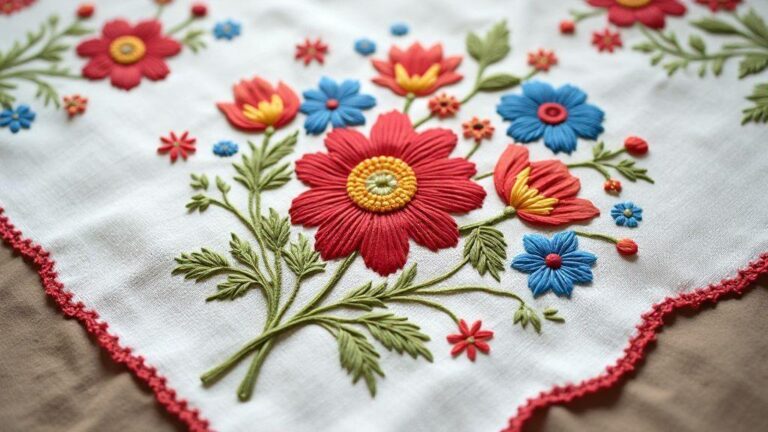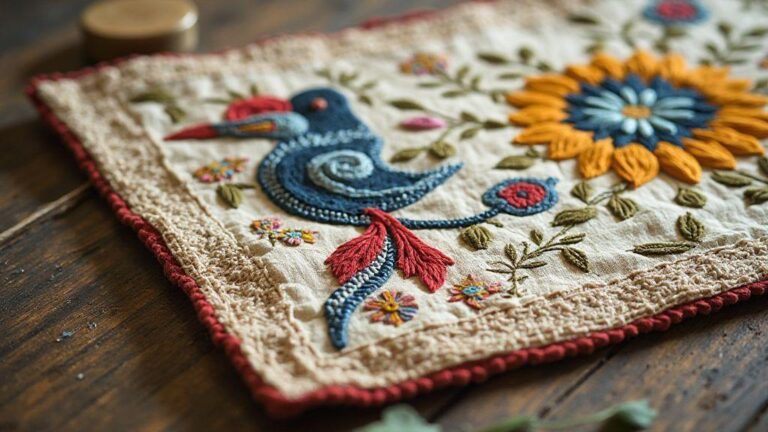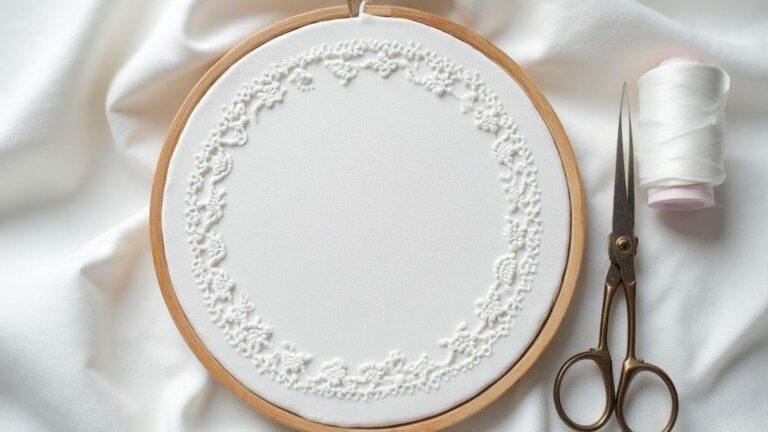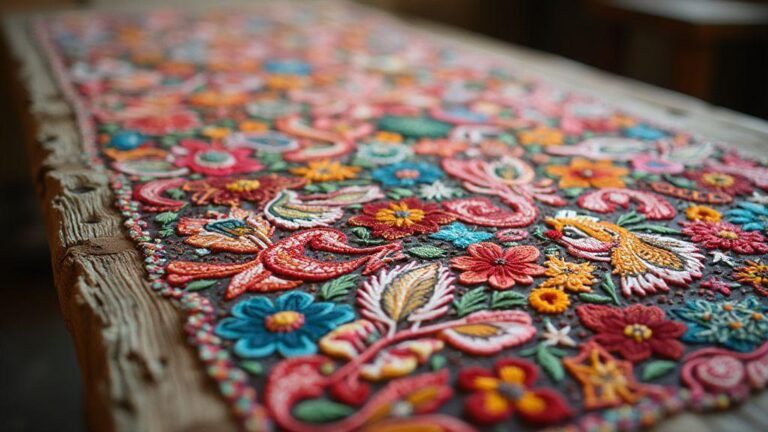
Romanian Point Lace: The Intricate Needle Lace Tradition of Eastern Europe
History and cultural roots of Romanian point lace
Romanian Point Lace has deep roots in village life, work, and celebrations. You’ll see it on tablecloths, shawls, and costumes handed down through generations. The lace isn’t just decoration; it tells stories of family, harvests, and the land. The technique blends simple stitches into delicate patterns, so your eye catches tiny flowers and geometric shapes that feel like a whisper from the past. Studying a piece, you trace the hands of grandmothers who learned from their mothers, and you feel the culture alive in every knot.
This lace grew from practical needs and local art. You’ll find sturdy cotton threads and fine linen, spun at home or nearby, shaping the look and feel of the lace you admire. Designs echo the countryside: crops, leaves, and vines that wrap around the edges with grace. Colors are usually restrained, but the texture—light, airy, and precise—speaks of patience and pride. Your curiosity about Romanian Point Lace opens a doorway to how people lived, worked, and celebrated together.
In your own collection or study, you’ll see how this lace connects to neighboring traditions. The technique shares ideas with other Eastern European laces, yet it keeps a distinct voice—so your eye can tell a Romanian piece apart from others. This is more than craft; it’s a diary of daily life, a map of shared skills, and a reminder that art grows where people sit, stitch, and chat.
Where Romanian lace began
Romanian lace likely started in rural homes where women stitched while chatting or tending children. The earliest patterns appear in practical pieces like tablecloths and napkins used every day. The beginnings are humble, but the results show a clear love for detail: tiny picots, neat spokes, and balanced motifs you’d be proud to display.
From village to village, techniques spread along roads, rivers, and markets. You’ll notice regional differences in the lace, with each area adding its own twists while keeping a shared language of threads and knots. These regional styles create a mosaic you can credit to local mentors, sisters, cousins, and neighbors who exchanged patterns and tips like a friendly barter. When you study a Romanian point lace piece, you’re watching centuries of neighbors teach one another face to face.
Over time, lace moved from homes into churches and schools, expanding its reach. You’ll see more organized patterns and perhaps instructional books or pamphlets that helped more crafters learn. The shift isn’t about becoming famous; it’s about keeping the craft alive so that future generations can pick up where today’s makers left off. You get a living tradition, not museum dust.
How it fits Eastern European lace tradition
Romanian Point Lace sits beside other Eastern European laces, but it keeps its own rhythm. Similar stitches—needles, bobbins, and fine threads—appear, but the motifs often reflect Romanian flora, folklore, and daily life. This gives you a recognizable flavor that still blends with neighboring lace styles, creating a rich regional tapestry to explore.
Eastern European lace shares a sense of community. You’ll hear stories of women gathering to teach and learn, turning a quiet kitchen into a lively school. In Romania, that social fabric shows in how patterns pass from aunt to niece, from neighbor to friend. Your appreciation grows as you recognize how each community added its touch while staying within a shared craft language.
Historically, politics and migrations shaped how lace traveled and changed. Influences from different regions arrived and became part of a distinctly Romanian voice. The result is lace that feels both individual and united with the broader Eastern European tradition. When you compare pieces, you hear the conversation between villages and borders, and you feel your own connection to that ongoing exchange.
Why you should care about Romanian lace history
Romanian Point Lace is a record of real people choosing beauty in their daily lives. It’s a reminder that craft carries memory, skill, and community in every stitch. Learning its history gives you a clearer lens for judging quality, authenticity, and the story behind a piece you admire.
This history helps you pick pieces with genuine roots. You’ll know which motifs are traditional versus modern reinterpretations, and you’ll spot the handwork that speaks to a maker’s patience. Your collection becomes a conversation starter, not just decoration.
Knowing the history strengthens your respect for regional lace traditions. Romanian Point Lace connects to the broader world of embroidery, yet remains proudly Romanian in character. This dual awareness makes you a smarter buyer, collector, and admirer, and invites you to share these stories with friends who love textiles as much as you do. Romanian Point Lace: The Intricate Needle Lace Tradition of Eastern Europe can guide your appreciation and care for these pieces.
Tools and materials for Romanian point lace
Romanian Point Lace demands a careful kit, but once you have the basics, it all fits together. Start with a simple setup so you can focus on delicate stitches and steady hands. The right tools make the difference between frustration and flow, especially when you’re learning a new technique. Think of your supplies as partners in the craft, each one doing a specific job to help your lace shine.
Begin with core items you’ll reach for again and again. A good magnifying glass helps you see tiny loops without straining your eyes. A soft, lighted stand can hold your work steady while you pin it into place. You’ll also want a small, sharp pair of scissors, a few sturdy needles, and a tidy pin cushion. Keep your workspace tidy and organized, so you don’t lose track of those little threads. With the basics set, your hands relax and your stitches become more even.
As you grow, you’ll add specialty items that suit your style. A bobbin case or a small loom is handy for more control over threads. A bubbly, bright thread conditioner helps keep threads smooth and less tangled. Don’t forget tracing paper or light fabric to test patterns before you stitch. These extras aren’t essential at first, but they’ll make long sessions easier and more enjoyable.
Threads, cordonnet, and needles
The heart of Romanian Point Lace lives in your threads, cordonnet, and needles. Your threads should feel smooth and have a gentle sheen. Cordonnet acts as the backbone, keeping your lace strong while you bend it into elegant shapes. Your needles should glide, not snag, so you don’t drag your project.
Choose threads that are cotton or linen, fine but sturdy. The right thickness helps stitches sit cleanly on the fabric, with clear, crisp lines. Cordonnet should be a touch thicker than your main thread, giving you a defined structure. For needles, a fine, sharp point is best for delicate work, while a slightly thicker needle can handle the cordonnet’s tension without snapping. Balance is key: smooth flow in stitching plus lasting durability in the finished piece.
As you practice, you’ll notice how tool feel changes your stitch. If your thread slips or frays, switch to a sharper needle or a stronger thread. If your cordonnet seems loose, you’re wasting time fighting the stitch. Your comfort matters—choose tools that let you breathe and focus.
Basic supplies you need to start
Starting Romanian Point Lace, you’ll want a simple, reliable set of basics. A clean, flat work surface is your first friend; it keeps your hands steady and tension even. A firm frame or hoop helps hold fabric taut. A chalk pencil or erasable marker lets you draw your pattern without leaving a permanent mark. A soft light helps you see every thread as you work.
Next, gather pins, waste canvas or stabilizer, a small scissors, plus a needle case to keep thread ends tidy. A thread conditioner or beeswax keeps threads from fraying too soon. For storage, a small box or zip bag keeps threads organized by color, weight, and purpose. As you begin, you’ll discover what you like most—perhaps a magnifier or thread pick later—these basics get you through the first projects with confidence.
Your first projects should focus on simple motifs and straight lines. With the basics, you’ll train your eye to see tension and your hands to keep it consistent. Each stitch becomes a lesson, and soon your patterns breathe with your own rhythm.
How to choose the right thread
Choosing the right thread shapes your whole piece. Start with a thread that feels smooth and looks even on the fabric. If your thread drags or breaks easily, your project will fight you. Pick a thread that says ease to your hand, so you can focus on shaping the design.
In Romanian Point Lace, you want a thread that holds its color well and doesn’t bleed into the next stitch. Look for threads labeled for linen or cotton lace; they hold up under fine tension. A slightly finer thread often gives crisper lines, but you still need strength, so test by pulling a few inches and watching for fraying.
Consider your pattern’s needs: lighter fabrics pair with finer threads, bolder patterns can handle a bit more weight. Your goal is harmony between thread, needle, and cordonnet, so your lace stays balanced and tidy. Romanian Point Lace: The Intricate Needle Lace Tradition of Eastern Europe reminds us that every choice supports a larger, enduring craft.
Romanian Point Lace: The Intricate Needle Lace Tradition of Eastern Europe techniques
You step into a world where tiny stitches tell big stories. Romanian Point Lace sits at the heart of Eastern European embroidery, and you’ll notice its patient, delicate feel as you work. The thread twirls into lace that looks almost like whispered patterns on fabric. You’ll feel the history in every knot, every loop, and every deliberate pass of your needle. This is the kind of craft you return to when you want calm, focus, and a piece that lasts. You’ll love how the lace grows from your hands into something you can wear or display, a tangible link to generations of makers before you.
When you learn this art, you gain a practical skill you can demonstrate at craft fairs or with friends and family. The technique rewards steady rhythm and eye for small details. You’ll notice patience paying off as your lace becomes more even and balanced. It’s a tradition you can share, passing on tiny tricks and stories that make your work feel personal, not just a pattern on a page. As you practice, you’ll see how each motif fits into a larger tapestry, much like a conversation with an old friend.
As you explore Romanian Point Lace, you’ll realize it blends utility and beauty. The lace isn’t just pretty; it’s strong enough to be used on garments, doilies, or heirloom linens that last. You’ll find satisfaction in turning a simple thread into art that carries memory. This is the kind of skill you can carry with you—a living tradition you participate in with every stitch.
Buttonhole stitch and cordonnet work
Your needle darts through the fabric, and the humble buttonhole stitch becomes a doorway into a bigger world. In Romanian Point Lace, this stitch anchors edges and creates clean, sturdy lines that frame the rest of your design. The stitch sits flat and neat, holding without pulling too tight. The cordonnet work adds a delicate thread collar around motifs, giving them a crisp boundary that makes the lace feel finished and professional. Pair these stitches with patient, even passes, letting each line breathe.
As you add the buttonhole stitches and cordonnet, you shape the rhythm of your piece. The edges stay straight, the corners stay sharp, and your motifs pop with definition. Keep your tension even and your motions smooth, so the fabric doesn’t pull or stretch. Recheck your work against a simple guideline to stay aligned. This combination is what gives Romanian Point Lace its signature look: controlled, precise, and quietly elegant.
You’ll also learn to adjust thread color and thickness to suit your project. Lighter threads show more delicate line work, while heavier threads give you bolder edges. A little practice with different needle sizes changes the feel of the lace dramatically. The goal is consistent edges and a flat lace, so your finished piece looks polished rather than jagged.
Joining motifs and filling stitches
When you join motifs, you connect small pieces into a larger picture. You’ll learn where to link motifs with tiny bridges that stay strong but nearly invisible from the front. Filling stitches add texture inside the motifs, giving your lace its characteristic depth. You’ll feel flow as you work from motif to motif, keeping your pattern cohesive rather than choppy. The results look like a well-composed sketch, but in thread and fabric.
The real trick is balancing openness with coverage. You want enough filling stitches to give depth without crowding the design. Practice shows you how to space those stitches so the lace keeps its breath and life. Joining stitches should stay discreet, letting the motifs shine while tying the whole piece together.
As you grow, you’ll plan your motif arrangement before you begin. A quick sketch or photo guide helps you place each piece so the final lace reads clearly. The more you work, the more you’ll appreciate how joining and filling stitches create unity, turning separate parts into one graceful tapestry.
Practice steps you can follow
1) Grab your fabric and a comfortable needle. Start with a simple motif, then practice the buttonhole stitch along its edge. Keep your thread tension even and your hand relaxed. Repeat until you can move smoothly without snagging or wiggling the fabric.
2) Add a cordonnet border around your motif. Watch how the line stays straight and the edge looks clean. If your edge bows, slow down and reset your grip. Practice makes that line sharp and neat.
3) Practice joining two tiny motifs with a short bridge. Keep the bridge small and sturdy, then fill the spaces inside each motif with light, even stitches. Step back and check how the pieces sit together.
4) Set aside a weekly session. Short, focused practice beats long, unfocused ones. You’ll retain more and steadily improve your control over tension, spacing, and alignment. Stick with it, and you’ll see a noticeable upgrade in your Romanian Point Lace.
5) End with a small project. Use your growing skill to finish a tiny doily or a decorative border. This gives you a concrete goal and a tangible piece to show for your effort.
Common motifs and patterns in traditional Romanian lace
Traditional Romanian lace charms with simple lines that grow into bold shapes. Floral and geometric designs feel both old and alive, like they were woven yesterday. Delicate edges frame each piece, giving it a finished look ready to wear or gift. When you study Romanian lace, you sense how every motif tells a story, from village life to years of hands-on practice. The patterns aren’t random; they follow paths you can trace with your fingers, like a map of tradition.
Floral, geometric, and edging motifs
Three big families appear in Romanian lace: floral, geometric, and edging motifs. Floral motifs resemble buds, leaves, and blossoms pinned onto lace. They drift along the fabric, giving a soft, living feel. Geometric motifs bring structure—diamonds, squares, and lattice work that keep your eyes moving along the pattern. Edging motifs wrap the edge with tight stitches, like a neat frame around a painting.
Floral designs are often placed to draw the eye toward a center or a border, depending on the piece. Geometric patterns convey order, comforting in a handmade item. Edging motifs finish the work, so the lace sits flat and usable. You’ll notice how these three types balance each other, with flowers softening lines and geometry keeping rhythm.
Recognizing these motifs helps you see how the style travels and evolves, not just one family’s idea. It’s a shared craft, passed down with tweaks from grandmother to granddaughter.
How patterns form doilies and trims
Doilies and trims grow from a few strong ideas and simple stitches. Start with a central motif and add repeat units around it, like petals around a sunflower. This gives a circular, star, or oval look that feels traditional and complete. Trims use lengthwise repeats, so the edge stays steady as it stretches along a cloth or sleeve.
The join between motifs is where the magic happens. Stitch a small connector that keeps spacing even and tension just right. That connector might be a chain of tiny loops or a tiny picot between larger stitches. When you finish, the doily or trim looks balanced, with a clear center and a confident outline.
If you’re pattern-following, begin in the center to control scale and keep motifs proportional as you grow. Edges should lie flat, not curl, so you’ll keep the piece usable for years.
Recognize Romanian point lace patterns
Romanian Point Lace: The Intricate Needle Lace Tradition of Eastern Europe stands out for its tiny stitches and open spaces. Minute details catch the light, like snowflakes on a window. This lace uses many small knots and carefully placed loops, creating a fabric that’s sturdy yet delicate.
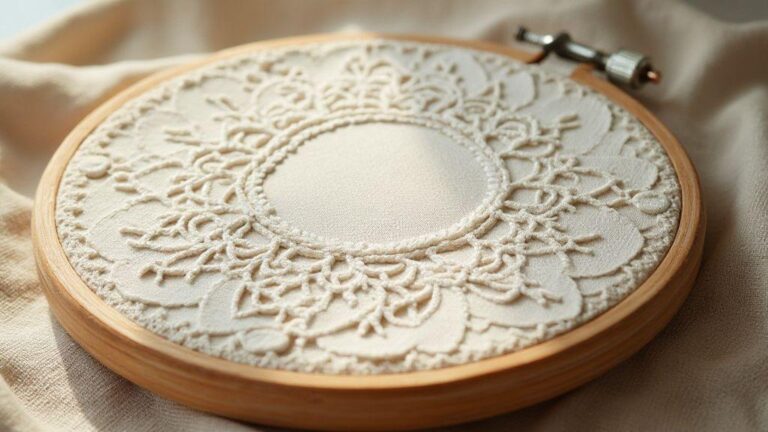
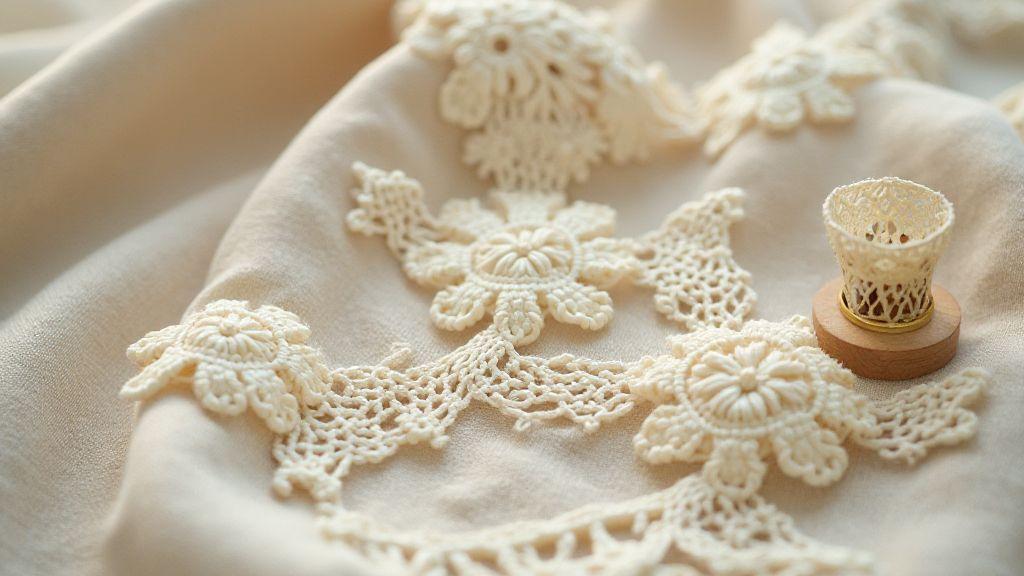
Look for a fine mesh background with embroidered motifs on top. Motifs often mirror nature—flowers, leaves, and vines—laid out symmetrically. The edging tends to be crisp, with tiny picots along the border. The overall effect is lace that feels airy yet strong, a hallmark of Romanian Point Lace.
If you’ve never compared laces side by side, start with a simple doily and a trim. You’ll see how holes in the mesh and the density of stitches create a light, folkloric feel. It’s easy to mistake other styles for Romanian Point Lace, but this one keeps a distinctive balance of openness and detail.
Learn Romanian point lace with tutorials and resources for you
Romanian Point Lace is a delicate art that asks for patience and steady hands. You’ll discover stitches, patterns, and tiny motifs that tell stories from villages across Romania. Your journey starts with simple motifs and grows toward more complex panels. You’ll feel pride as your work imitates old traditions while keeping your own flair. This lace, done with fine thread and careful cutting, becomes a quiet companion you can pick up any time.
As you explore, you’ll notice how threads whisper through cloth, like a conversation with a grandmother who saved every pattern in a faded notebook. Your eye learns to spot balance, rhythm, and even tiny flaws that tell you when to adjust tension. You’ll build a toolkit of techniques—from buttonhole stitches to picots—that you can reuse on other embroidery forms. The more you practice, the more you’ll appreciate the country’s embroidery heritage, and you’ll begin to see your own style emerge in the lace’s delicate points.
This craft fits many projects. A small doily, a table runner, or a lace edge on a blouse can become your personal keepsake. You’ll gain confidence as pieces become bolder—more texture, lighter threads. It’s a shared hobby with friends or a quiet solo project you finish on a rainy afternoon. Your efforts connect you to a long line of makers who value careful, mindful work.
Romanian point lace tutorial videos and classes
Tutorial videos walk you through from basic stitches to finishing touches. Start with a short series covering core stitches, then move to a project-based class to see how elements fit together. Look for clear close-ups of the thread, hand position, and how to handle tiny picots without tangling. Choose a few that match your tempo and reference them as you work.
Classes at craft schools or lace guilds can give live feedback, invaluable when learning a new technique. If possible, join a live session to ask questions and get tips on tension and edge finishing. You’ll hear advice on pattern reading, needle size, and what to do when a stitch slips. Keep a small notebook to jot down tricks you’ll reuse on your next project.
Books, patterns, and online guides for Romanian needle lace
Books provide a steady map of the tradition, with diagrams showing how each stitch should look. Look for clear photos or illustrations that label each step. Online guides can fill gaps with printable patterns and troubleshooting tips—handy when you want a quick refresher or a new motif.
Patterns that turn a plain edge into something bright can be especially satisfying. Start with simple edging and build to small doilies or decorative panels. Collect motifs you adore and piece them together like a tiny mosaic. The more you collect, the easier it becomes to mix and match for your own unique pieces.
Start your first Romanian lace project
Begin with a small, forgiving project—an edge on a linen napkin or a candle holder border. Gather light, smooth thread, a fine needle, and a steady light. Follow a step-by-step guide until you’re confident with the first stitches, then advance to the next motif. Keep your work in a hoop or frame to maintain tension, and don’t worry about tiny mistakes; they often add character. You’re joining a long, warm tradition, one stitch at a time.
Care, uses, and modern revival of Romanian needle lace
Romanian Point Lace is a treasure you can keep alive with simple steps. It ages gracefully when you treat it with care, because the tiny stitches hold lots of history in each thread. The lace still shines after years if you rinse away dust gently and store it away from direct sun. The modern revival is full of makers who show you how this craft fits into everyday life, from delicate trims on blouses to bold wall hangings that tell a story. Your own projects become links to the past when you treat the lace with the respect it deserves and give it space to breathe in your home.
Romanian lace is delicate, so handle it with clean hands and patience. When you wear or wash items, consider the weight of the fabric. A light touch and careful handling keeps the pattern sharp. For a modern look, mix a small piece of Point Lace with contemporary textiles—like a linen pillow edge or a simple cotton scarf—to show how the tradition fits today’s style.
The revival you’ll see in shops and online isn’t just old patterns; it’s new ideas that honor the craft. You can support makers who teach courses or sell kits, so you can try the stitches yourself. When you see Romanian Point Lace in contemporary designs, you’re witnessing a living tradition that evolves while staying true to its roots. You’ll feel proud to be part of that ongoing story.
How to clean and store handmade Romanian lace
Cleaning handmade Romanian lace requires light care. Use cool water and a mild soap, then rinse gently to avoid stretching the threads. Soak briefly, then lay the lace flat on a towel to dry—never wring or twist. If yellowing or grime remains, spot-clean with a soft brush but keep stitches intact. Store the lace in a breathable fabric bag, away from direct sun, moisture, and pests. Your goal is to keep colors true and the pattern crisp for years.
Storage matters. Avoid plastic; it traps moisture and invites mildew. Fold carefully and place in a wooden or acid-free tissue-lined box. If you have many pieces, separate them with tissue to prevent rubbing and snagging. Check on your lace seasonally and air it out to keep stitches vibrant and edges neat.
If you’re displaying a piece, choose a bright, dry room and rotate pieces so no single item basks in direct light. When traveling with lace, wrap it in soft fabric and place it in a padded case. Small care steps preserve the heritage in your hands.
Using Romanian lace in home decor and fashion
Weave Romanian lace into your home with thoughtful, simple choices. A lace trim on cushions, lampshades, or curtain edges adds a gentle nod to tradition. Layer a delicate lace collar over a plain blouse to add character without shouting. Pair bold colors with white lace for a fresh, modern feel that respects the old craft at the same time. You’re not just decorating; you’re telling a story of skill and patience.
In fashion, let a single lace piece be a statement. A scarf with a fine Romanian Point Lace elevates a basic outfit, or a lace insert on a cardigan creates quiet elegance. You can mount a small panel of lace in a frame for textile art that celebrates the craft. The key is balance: let the lace breathe and keep other fabrics simple.
As you move through rooms or outfits, you’ll notice how the lace adds texture and warmth. The charm comes from the contrast between delicate stitches and everyday objects. Your home and wardrobe become a canvas where this traditional skill shines once more.
Preserve and pass on traditional Romanian lace
Preserving Romanian lace starts with you sharing the skills. Invite a friend or family member to watch a stitch or two, then let them try the needle. Build a simple, shared ritual that keeps the techniques alive. Document patterns, names, and the stories behind each piece so the memory travels with the lace. When you teach someone, you honor the makers who came before you and give future generations a map to follow.
Keep a small notebook or digital file with care tips, mounting ideas, and cleaning notes. This keeps your knowledge organized and easy to pass on. You don’t need to be a master to start teaching; even beginners’ mistakes become teaching moments for others who want to learn Romanian Point Lace: The Intricate Needle Lace Tradition of Eastern Europe.

I’m Sophie Caldwell, the author behind granaboom.com, and I believe hand embroidery is one of the simplest, most relaxing ways to create something beautiful with your own hands. I started this blog to help beginners learn hand embroidery without feeling overwhelmed by complicated instructions or “perfect” results.
Here you’ll find beginner-friendly guides to decorative embroidery stitches, along with clear step-by-step practice ideas and patterns you can use to build confidence. My focus is on making the learning process easy: simple explanations, helpful stitch combinations, and small projects that look polished even when you’re just starting out.
Welcome to granaboom.com—grab your hoop, choose a few colors, and let’s stitch one line at a time.