Learning Folk Embroidery: The Best Books, Courses, and Online Resources
Introduction to Learning Folk Embroidery Through Curated Resources
Learning folk embroidery opens a gateway to centuries of cultural heritage, artistic expression, and meditative craftsmanship that connects you to global traditions. When you pursue folk embroidery education, you access knowledge passed down through generations, preserved in books, taught through courses, and shared across vibrant online communities. The challenge you face isn’t finding resources—it’s navigating the overwhelming abundance of options to identify which embroidery learning materials truly serve your goals and learning style. This comprehensive guide cuts through the noise, presenting you with vetted, high-quality folk embroidery instruction sources that accelerate your journey from curious beginner to confident practitioner. You’ll discover that strategic resource selection transforms your learning experience from frustrating and scattered into focused, progressive, and deeply rewarding.
Why Curated Resources Matter for Folk Embroidery Learning
You recognize that not all embroidery education resources deliver equal value—some lack cultural authenticity, others oversimplify complex techniques, and many fail to provide clear progression pathways. The best folk embroidery resources combine technical instruction with cultural context, respecting the traditions you’re learning while making them accessible to modern practitioners. This curated approach to learning folk embroidery saves you months of trial-and-error, prevents frustration from poor instruction, and ensures you develop skills grounded in authentic technique. You’ll notice that quality resources inspire deeper engagement, faster skill development, and genuine appreciation for the cultural significance of the work you’re creating.
The Global Renaissance of Folk Embroidery Learning
You’re part of a growing movement of crafters rediscovering traditional embroidery techniques and seeking authentic folk needlework instruction. This renaissance reflects broader cultural shifts toward mindfulness, sustainability, and connection to heritage. The explosion of online embroidery communities, digital learning platforms, and accessible educational content means you have unprecedented access to knowledge that was once guarded within families and cultural groups. This democratization of embroidery education allows you to learn Scandinavian techniques, Eastern European traditions, Mediterranean styles, and Asian methods—all from your home. You’ll discover that this global accessibility creates opportunities for cultural exchange, cross-tradition learning, and innovative fusion of techniques.
Building Your Personalized Learning Ecosystem
You create optimal learning outcomes by combining multiple resource types into a personalized ecosystem tailored to your learning style, goals, and schedule. Some learners thrive with structured embroidery courses, while others prefer the flexibility of self-paced YouTube tutorials supplemented by community support. The most successful practitioners combine foundational books, video instruction, hands-on mentorship, and community engagement into a comprehensive learning strategy. This multi-modal approach to learning folk embroidery accelerates progress while maintaining motivation and preventing burnout. You’ll notice that intentional resource selection creates a sustainable, enjoyable learning journey that deepens your connection to the craft.
The Best Folk Embroidery Books: Your Foundation for Authentic Learning
Foundational Books That Build Core Knowledge
You establish solid technical and cultural foundations by investing in comprehensive embroidery books that cover history, technique, and cultural context simultaneously. “The Art of Embroidery” by Dianne Durand provides accessible introduction to fundamental stitches while honoring traditional approaches, making it ideal for beginners seeking folk embroidery instruction grounded in authenticity. “Folk Embroidery: A History of Needlework” explores how different cultures developed distinct embroidery traditions, helping you understand the cultural significance of embroidery techniques you’re learning. “Traditional Embroidery Techniques: A Complete Guide” offers detailed stitch instructions with historical context, serving as both learning resource and reference manual. These foundational embroidery books provide the knowledge base that makes all subsequent learning—whether through courses, videos, or mentorship—more meaningful and contextualized.
Regional Tradition Books: Deep Dives Into Specific Cultures
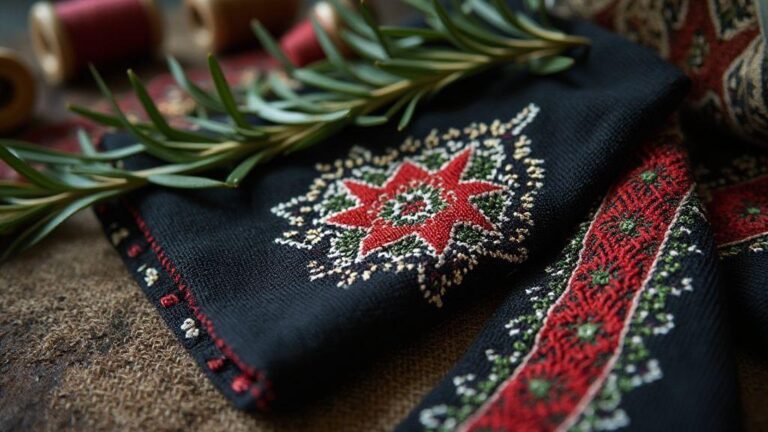
You develop specialized expertise by studying books focused on specific folk embroidery traditions and cultural regions. Eastern European embroidery books reveal the geometric patterns, color symbolism, and historical significance of traditions from Ukraine, Romania, Poland, and surrounding regions. Scandinavian folk embroidery guides teach the distinctive techniques, color palettes, and design principles of Nordic traditions, including Hardanger, Rosemaling, and traditional cross stitch patterns. Mediterranean embroidery resources explore Italian, Spanish, Greek, and Turkish traditions, each with unique characteristics and historical development. Asian embroidery instruction covers Chinese silk embroidery, Japanese techniques, Indian traditions, and Southeast Asian methods—each representing centuries of refined technique. Latin American folk embroidery books showcase the vibrant, colorful traditions of indigenous and mestizo communities. This regional specialization approach to learning folk embroidery allows you to develop deep expertise in traditions that resonate with your interests and heritage.
Technique-Specific Books: Mastering Particular Stitches
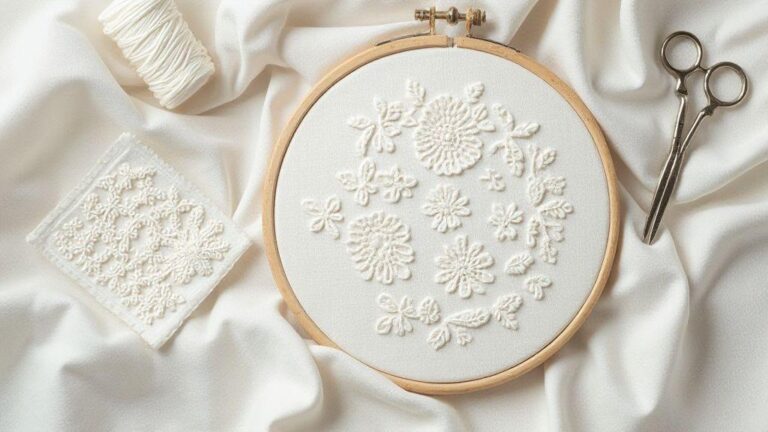
You develop advanced technical proficiency by studying books dedicated to specific embroidery techniques and stitch families. Cross stitch tradition books explore how different cultures adapted this fundamental stitch, creating distinctive regional variations and patterns. Crewel embroidery heritage guides teach the dimensional, wool-based techniques that define this tradition, with historical context explaining its development in different regions. Blackwork embroidery instruction reveals the geometric, high-contrast aesthetic of this technique and its cultural origins. Whitework embroidery books explore the delicate, monochromatic traditions including Mountmellick, Eyelet, and Ayrshire work. Goldwork and metallic embroidery resources teach the luxurious techniques using precious threads, historically reserved for royal and religious garments. This technique-focused approach to folk embroidery education allows you to achieve mastery in specific areas while understanding their cultural and historical significance.
Illustrated Guides and Pattern Collections: Visual Learning Resources
You accelerate learning through visually-rich embroidery books that prioritize clear illustrations, detailed diagrams, and inspiring finished examples. Stitch dictionaries provide comprehensive visual references showing how to execute every traditional stitch, with multiple variations and applications. Pattern collection books showcase authentic designs from different cultures, allowing you to study composition, color usage, and design principles. Color and design inspiration books help you understand how different traditions approach color selection, symbolism, and aesthetic principles. Step-by-step instruction books with detailed photography show hand positions, thread tension, and progression through complex stitches. These illustrated embroidery resources serve both as learning tools and ongoing reference materials, supporting your practice long after initial study.
How to Choose the Right Folk Embroidery Books
You select books strategically by evaluating several key criteria that determine whether a resource truly serves your learning goals. Author credentials matter significantly—seek books written by experienced practitioners, cultural experts, or historians with demonstrated expertise in their subject matter. Illustration quality directly impacts learning effectiveness; books with clear, detailed diagrams and photographs teach more effectively than those with vague or artistic renderings. Stitch instruction clarity determines whether you can actually execute techniques; look for books that explain not just what to do, but why and how to troubleshoot problems. Cultural authenticity and respect ensure you’re learning genuine traditions rather than commercialized approximations; seek books that honor cultural origins and acknowledge the communities that developed these techniques. Beginner vs. advanced content matters for your current level; starting with books designed for beginners prevents frustration, while advanced books provide growth opportunities once you’ve mastered fundamentals. This strategic selection process for folk embroidery books ensures your investment in physical resources yields maximum learning value.
Online Courses: Structured Learning Paths for Systematic Progress
Understanding Major Learning Platforms
You access structured folk embroidery instruction through established platforms that offer courses from expert instructors. Skillshare provides affordable, project-based courses with lifetime access, ideal for learners who prefer short, focused lessons and community feedback. Udemy offers comprehensive courses at various price points, with detailed video instruction and downloadable resources, perfect for self-paced learners seeking depth. Craftsy (now Bluprint) specializes in craft education with high-production-value videos and interactive community features. Domestika emphasizes creative projects with beautiful presentation, attracting visually-oriented learners. Patreon-based courses from independent instructors provide ongoing mentorship, exclusive content, and direct access to teachers. Independent instructor websites offer personalized courses, often with more flexibility and direct instructor interaction than platform-based options. This platform diversity for learning folk embroidery ensures you can find formats matching your learning preferences and budget.
Beginner Courses: Building Confidence and Foundation Skills
You establish solid fundamentals through introductory folk embroidery courses designed specifically for learners with no prior experience. Introduction to folk embroidery basics courses teach essential stitches, material selection, and fundamental techniques without overwhelming complexity. Cultural context and history courses provide the background knowledge that makes your learning meaningful, explaining why different traditions developed distinct approaches. Essential materials and tools courses ensure you invest in appropriate supplies and understand how to use them effectively. First projects and confidence building courses guide you through completing your initial pieces, building the confidence necessary for continued learning. These beginner-focused courses for folk embroidery education create positive initial experiences that motivate continued engagement with the craft.
Intermediate Courses: Developing Specialized Skills
You deepen expertise through intermediate folk embroidery courses that build on foundational knowledge while introducing specialized techniques. Regional embroidery tradition courses focus deeply on specific cultural traditions—Scandinavian, Eastern European, Mediterranean, Asian—teaching distinctive techniques and design principles. Advanced stitch technique courses teach complex stitches, layering methods, and dimensional effects that elevate your work from basic to sophisticated. Color theory and design courses help you understand how to select colors authentically, create harmonious combinations, and adapt traditional patterns to your vision. Pattern creation and adaptation courses teach you to design your own pieces, adapting traditional motifs and creating original work grounded in authentic technique. These intermediate courses for learning folk embroidery transform you from follower of instructions into creative practitioner capable of original work.
Advanced Courses: Mastering Complex Techniques and Specializations
You achieve mastery through advanced folk embroidery courses that challenge you with complex techniques and specialized knowledge. Specialized regional style courses dive deeply into specific traditions, teaching nuanced techniques and historical accuracy that distinguish expert work from amateur attempts. Historical accuracy and research courses teach you to study museum pieces, historical documents, and cultural archives, ensuring your work reflects authentic tradition. Teaching and sharing knowledge courses prepare you to instruct others, whether through workshops, online courses, or mentorship. Professional-level work courses address business aspects—pricing, marketing, building a customer base—if you intend to monetize your skills. These advanced courses for folk embroidery instruction position you as an expert capable of contributing meaningfully to the craft’s preservation and evolution.
Evaluating Course Quality: What Separates Excellent From Mediocre
You invest wisely by evaluating courses systematically before purchasing, using specific criteria that predict learning success. Instructor credentials and experience matter fundamentally—seek instructors with demonstrated expertise, cultural connection to traditions they teach, and proven teaching ability. Course structure and pacing determine whether you can actually complete the course; look for logical progression, manageable lesson lengths, and clear learning objectives. Student reviews and testimonials provide honest feedback about course effectiveness; read reviews carefully, noting both praise and criticism. Video quality and clarity directly impacts learning; poor audio, unclear demonstrations, or technical issues frustrate learning. Lifetime access and updates ensure your investment remains valuable; courses that update content and provide permanent access offer better long-term value. Community support and interaction enhances learning; courses with active forums, instructor feedback, or peer interaction create accountability and motivation. Price vs. value assessment requires honest evaluation; expensive courses must deliver proportionally greater value than affordable alternatives. This systematic evaluation process for folk embroidery courses prevents wasted money and ensures you select resources that truly serve your learning goals.
YouTube Channels: Free, Accessible Folk Embroidery Instruction
Comprehensive Channel Recommendations for Different Learning Needs
You access free, high-quality folk embroidery instruction through YouTube channels specializing in traditional techniques and cultural traditions. Comprehensive folk embroidery channels like “Embroidery with Trish” and “Needlenthread” provide extensive libraries of tutorials covering multiple traditions and techniques. Regional tradition specialists focus deeply on specific cultures—channels dedicated to Scandinavian, Eastern European, Mediterranean, or Asian embroidery—offering authentic instruction from practitioners with cultural connection. Technique-focused creators dedicate channels to specific stitches or methods, providing deep dives into single techniques with multiple variations and applications. Historical embroidery experts research and recreate historical pieces, teaching authentic techniques while explaining historical context. This channel diversity for learning folk embroidery ensures you can find instruction matching your specific interests and learning preferences.
Channel Types and Their Unique Educational Value
You leverage different YouTube channel types strategically, recognizing that each offers distinct advantages for folk embroidery education. Tutorial channels provide step-by-step instruction with clear demonstrations, ideal for learning specific stitches and techniques. Documentary-style channels explore cultural context, historical development, and the stories behind traditions, enriching your understanding beyond mere technique. Live stitching channels show real-time work, allowing you to observe natural pace, problem-solving, and the meditative rhythm of embroidery. Pattern and design channels focus on composition, color selection, and design principles, teaching you to create original work. Historical research channels investigate museum pieces, historical documents, and cultural archives, connecting you to authentic traditions. This multi-channel approach to learning folk embroidery creates comprehensive understanding that combines technique, culture, history, and design.
Using YouTube Effectively for Optimal Learning
You maximize YouTube’s educational value by approaching it strategically rather than passively consuming random videos. Finding quality content requires using specific search terms, reading comments for recommendations, and checking creator credentials before investing time. Building learning playlists organizes videos into logical sequences, creating structured learning paths from foundational to advanced content. Supplementing other resources means using YouTube to clarify concepts from books or courses, rather than relying on it as your sole learning source. Engaging with creator communities through comments, questions, and sharing your work creates accountability and connection. Supporting creators through subscriptions, likes, and donations ensures they continue producing quality content. This intentional YouTube strategy for folk embroidery learning transforms free content into powerful educational resource.
Online Communities: Connection, Support, and Shared Learning
Educational Blogs and Websites: In-Depth Written Resources
You deepen understanding through embroidery blogs and websites offering detailed written content, technique explanations, and cultural exploration. Embroidery technique blogs provide written instructions, often with photography or illustrations, explaining not just how to execute stitches but why different approaches work. Cultural history resources explore the origins, development, and significance of different folk embroidery traditions, helping you understand the context of your learning. Pattern and design inspiration websites showcase authentic designs from different cultures, teaching you composition, color usage, and aesthetic principles. Material and tool review websites help you make informed purchasing decisions, understanding which supplies truly matter and which are unnecessary. These written resources for learning folk embroidery complement video instruction, serving learners who prefer reading and providing reference materials you can revisit repeatedly.
Community Websites and Forums: Connecting With Fellow Learners
You build support networks through embroidery forums and discussion boards where practitioners share knowledge, troubleshoot problems, and celebrate progress. Embroidery-specific forums like “Needlework Talk” and regional tradition forums create spaces where you ask questions, receive feedback, and learn from experienced practitioners. Social media communities on Instagram, Facebook, and Reddit connect you with thousands of embroiderers sharing work, inspiration, and resources. Ravelry and similar platforms organize patterns, projects, and communities, allowing you to track your progress and connect with others working on similar projects. Local embroidery guilds and groups provide in-person connection, often offering workshops, pattern swaps, and mentorship opportunities. This community engagement for learning folk embroidery prevents isolation, provides accountability, and creates friendships with people who share your passion.
Resource Aggregators: Curated Collections and Databases
You access organized collections of folk embroidery resources through websites that curate and categorize information. Embroidery databases compile patterns, techniques, and cultural information in searchable formats. Pattern repositories organize thousands of designs by culture, technique, and difficulty level. Technique libraries provide visual references for stitches, variations, and applications. Historical archives preserve documentation of traditional techniques, historical pieces, and cultural practices. These aggregated resources for learning folk embroidery save time by organizing information that would otherwise require extensive searching.
Social Media Communities: Real-Time Learning and Daily Inspiration
Instagram: Visual Inspiration and Creative Community
You find daily inspiration and connect with folk embroidery practitioners through Instagram’s visual platform. Following folk embroidery creators exposes you to diverse styles, techniques, and cultural traditions, providing constant visual education. Hashtag research and discovery helps you find communities focused on specific traditions—#ScandinavianEmbroidery, #EasternEuropeanEmbroidery, #FolkEmbroideryArt—connecting you with like-minded learners. Sharing your progress and engaging with others’ work creates accountability, motivation, and community connection. Finding pattern recommendations through creator posts and community discussions helps you discover authentic designs and trusted resources. This Instagram engagement for learning folk embroidery provides daily inspiration and connection that sustains motivation.
Facebook Groups: Dedicated Communities and Focused Discussion
You join dedicated Facebook groups focused on folk embroidery, specific traditions, or skill levels, creating spaces for deeper discussion and support. Folk embroidery specific groups bring together practitioners from around the world, sharing techniques, patterns, and cultural knowledge. Regional tradition groups focus on Scandinavian, Eastern European, Mediterranean, or Asian embroidery, allowing deep exploration of specific traditions. Beginner-friendly communities create safe spaces for newcomers to ask questions without judgment. Advanced practitioner groups challenge experienced stitchers with complex projects and specialized techniques. These Facebook communities for learning folk embroidery provide ongoing support, accountability, and friendship.
Reddit Communities: Discussion, Advice, and Resource Sharing
You participate in Reddit embroidery communities where practitioners share knowledge, ask questions, and recommend resources. r/Embroidery serves as the main embroidery community, welcoming all skill levels and traditions. Tradition-specific subreddits focus on particular folk embroidery styles, allowing specialized discussion. Finding answers to specific questions through Reddit’s searchable archives often reveals solutions to problems you’re facing. Sharing work and receiving feedback from experienced practitioners provides valuable perspective on your progress. Discovering resources and recommendations through community discussions helps you find quality books, courses, and creators. This Reddit participation for learning folk embroidery connects you with knowledgeable, helpful community members.
TikTok and Short-Form Video: Quick Learning and Viral Inspiration
You discover folk embroidery content through TikTok’s short-form video format, finding quick tutorials, inspiration, and community trends. Short technique tutorials teach specific stitches or techniques in 15-60 seconds, perfect for quick learning or refreshers. Inspiration and motivation videos showcase beautiful finished work, inspiring your own projects. Community trends and challenges create shared experiences, with thousands of stitchers working on similar projects simultaneously. Discovering new creators through TikTok’s algorithm exposes you to practitioners you wouldn’t find through traditional search. This TikTok engagement for learning folk embroidery provides daily inspiration and connection to a global community.
Podcasts and Audio Resources: Learning While Living
Embroidery-Focused Podcasts: Expert Interviews and Deep Dives
You deepen understanding through embroidery podcasts that explore techniques, history, and culture in conversational formats. Interview-based shows feature conversations with embroidery experts, authors, instructors, and cultural practitioners, providing insights you won’t find in written resources. Technique discussion and deep dives explore specific stitches, traditions, or design approaches in detail, often with guest experts. Cultural history and storytelling episodes explore the origins, significance, and evolution of different folk embroidery traditions, connecting you emotionally to the work. Industry news and trends episodes keep you informed about new resources, emerging creators, and developments in the embroidery world. These embroidery podcasts for learning folk embroidery provide rich, engaging content you can consume while commuting, exercising, or doing other activities.
Using Podcasts Strategically for Comprehensive Learning
You maximize podcast value by integrating them strategically into your learning ecosystem. Supplementing visual learning with audio content reinforces understanding and accommodates different learning styles. Learning during commutes and exercise allows you to progress without dedicating additional time to formal study. Deepening cultural understanding through storytelling and interviews creates emotional connection to traditions you’re learning. Staying motivated and inspired through regular podcast listening maintains enthusiasm during challenging projects. This audio learning strategy for folk embroidery education creates sustainable, integrated learning that fits naturally into your life.
Finding Quality Podcasts: Evaluation and Discovery
You locate quality embroidery podcasts through systematic search and community recommendations. Podcast directories and reviews like Apple Podcasts and Spotify provide ratings and descriptions helping you identify quality shows. Recommendations from communities through forums, social media, and groups direct you to podcasts trusted by experienced practitioners. Evaluating host expertise ensures you’re learning from knowledgeable sources; seek hosts with demonstrated experience and cultural connection to traditions they discuss. This podcast discovery process for learning folk embroidery ensures you invest listening time in quality content.
Museums and Cultural Institutions: Studying Authentic Historical Pieces
Museum Collections: Direct Study of Historical Embroidery
You deepen understanding by studying authentic folk embroidery pieces in museum collections, observing techniques and details impossible to see in photographs. Examining authentic folk embroidery allows you to observe stitch execution, thread choices, color combinations, and design details with precision. Understanding cultural context through museum displays, labels, and documentation connects techniques to their historical and cultural significance. Observing stitch techniques in detail through close examination reveals subtleties of execution that photographs cannot capture. Photography and documentation of museum pieces creates personal reference libraries for future study and inspiration. This museum study approach to learning folk embroidery connects you directly to authentic traditions and historical practice.
Museum Workshops and Classes: Expert Instruction and Historical Materials
You access specialized folk embroidery instruction through workshops and classes offered by museums and cultural institutions. Taught by experts and historians, these classes provide knowledge grounded in deep research and authentic understanding. Access to historical materials allows you to work with authentic fabrics, threads, and tools similar to those used historically. Small group learning creates intimate educational experiences with personalized feedback. Certificates and credentials from respected institutions validate your expertise and knowledge. These museum-based courses for learning folk embroidery offer unique educational opportunities unavailable through online platforms.
Cultural Centers: Immersive Learning From Cultural Practitioners
You experience authentic folk embroidery traditions through classes taught by cultural practitioners at cultural centers and community organizations. Classes taught by cultural practitioners provide instruction grounded in lived experience and cultural knowledge, not academic study. Authentic technique instruction reflects how traditions are actually practiced within their cultural contexts. Cultural context and storytelling from practitioners connects you emotionally to traditions and helps you understand their significance. Community connection through cultural centers creates relationships with people from the traditions you’re learning. These cultural center experiences for learning folk embroidery provide irreplaceable, authentic learning opportunities.
Workshops and Retreats: Intensive, Immersive Learning Experiences
Local Workshops: Community-Based Intensive Learning
You accelerate learning through local embroidery workshops offering intensive instruction in your community. Finding workshops in your area through local art centers, craft stores, and community organizations provides accessible learning opportunities. One-day and weekend intensives allow you to focus deeply on specific techniques or traditions without extended time commitment. Building local community through workshops creates friendships with fellow learners and access to local expertise. Affordable learning options make intensive instruction accessible compared to expensive online courses or retreats. These local workshops for learning folk embroidery provide hands-on instruction and community connection.
Embroidery Retreats: Multi-Day Immersive Experiences
You deepen expertise through embroidery retreats offering multi-day intensive programs combining instruction, community, and creative immersion. Multi-day intensive programs allow you to focus entirely on embroidery, making rapid progress impossible in shorter timeframes. Expert instruction and mentorship from renowned teachers provides personalized guidance and feedback. Community building and friendships through shared meals, accommodations, and creative work creates lasting connections. Travel and cultural immersion when retreats occur in regions known for specific traditions connects you to the cultural context of your learning. These embroidery retreats for learning folk embroidery create transformative experiences that accelerate skill development and deepen passion.
International Workshops: Learning in Cultural Context
You experience authentic folk embroidery traditions through workshops in regions where traditions originated and continue to thrive. Traveling to embroidery regions allows you to study in the cultural context where traditions developed and are practiced. Learning from cultural practitioners provides instruction grounded in lived experience and cultural knowledge. Experiencing traditions firsthand through immersion in communities practicing these traditions creates understanding impossible to achieve remotely. Building global connections through international learning creates relationships with practitioners worldwide. These international workshops for learning folk embroidery provide irreplaceable, transformative learning experiences.
Mentorship and One-on-One Learning: Personalized Guidance
Finding a Mentor: Connecting With Experienced Practitioners
You accelerate learning dramatically through mentorship relationships with experienced embroiderers who provide personalized guidance. Local embroidery communities often include experienced practitioners willing to mentor newcomers; ask at local guilds, workshops, or community centers. Online mentorship programs connect you with experienced teachers for virtual instruction and feedback. Apprenticeship opportunities with established embroiderers provide intensive, ongoing learning. Building relationships with experts through community engagement, workshops, and social media can develop into mentorship relationships. This mentor-seeking approach for learning folk embroidery accelerates progress and provides personalized guidance impossible to achieve through self-study.
Benefits of Mentorship: Personalized, Accelerated Learning
You experience unique advantages through mentorship relationships that distinguish this learning approach from all others. Customized instruction tailored to your specific goals, learning style, and pace accelerates progress. Feedback and correction from experienced practitioners prevents you from developing bad habits and reinforces good technique. Accelerated learning through personalized guidance compresses years of self-directed learning into months. Cultural knowledge transfer from mentors with deep cultural connection ensures you learn authentic traditions with proper respect and understanding. These mentorship benefits for learning folk embroidery justify the effort required to establish these relationships.
Becoming a Mentor: Giving Back and Preserving Traditions
You contribute to the embroidery community by mentoring others once you’ve developed sufficient expertise. Sharing your knowledge with newcomers preserves traditions and helps others avoid mistakes you made. Building community through mentorship creates connections and strengthens the embroidery world. Preserving traditions by passing knowledge to the next generation ensures these cultural practices continue. This mentoring role for folk embroidery education allows you to give back while deepening your own understanding through teaching.
Evaluating and Comparing Resources: Making Wise Choices
Quality Indicators: What Separates Excellent Resources From Mediocre
You select resources strategically by identifying specific quality indicators that predict learning success. Author/instructor credentials matter fundamentally—seek people with demonstrated expertise, cultural connection to traditions they teach, and proven teaching ability. Cultural authenticity and respect ensure you’re learning genuine traditions rather than commercialized approximations; seek resources that honor cultural origins and acknowledge communities that developed these techniques. Clarity of instruction determines whether you can actually execute techniques; look for detailed explanations, clear demonstrations, and troubleshooting guidance. Comprehensiveness of content ensures resources cover what you need to learn; avoid resources that oversimplify or skip important foundational knowledge. Student reviews and testimonials provide honest feedback about resource effectiveness; read reviews carefully, noting both praise and criticism. Accessibility and inclusivity matter for your learning experience; seek resources that welcome learners of all backgrounds and abilities. This quality evaluation process for learning folk embroidery resources prevents wasted time and money on inferior materials.
Learning Style Considerations: Matching Resources to Your Needs
You optimize learning by selecting resources matching your individual learning style and preferences. Visual learners thrive with books, videos, and courses featuring clear illustrations and demonstrations. Hands-on learners benefit most from workshops, mentorship, and in-person instruction. Self-paced vs. structured learning preferences determine whether you succeed with independent study or need external accountability. Community vs. solitary learning preferences affect whether you thrive in group settings or prefer independent work. This learning style awareness for folk embroidery education ensures you select resources where you’ll actually succeed.
Budget Considerations: Maximizing Value Across Price Points
You build comprehensive learning ecosystems within your budget by strategically combining free and paid resources. Free options including YouTube, blogs, and communities provide substantial value without financial investment. Affordable options like Skillshare and Udemy offer quality instruction at reasonable prices. Premium options including specialized courses, retreats, and mentorship justify higher costs through specialized knowledge and personalized guidance. Investment in quality materials and tools matters more than expensive courses; prioritize good supplies over expensive instruction. This budget-conscious approach to learning folk embroidery ensures you build excellent learning ecosystems regardless of financial resources.
Creating Your Personalized Learning Path: Strategic Planning
Assessing Your Starting Point: Honest Self-Evaluation
You create effective learning plans by honestly assessing your current situation and goals. Current skill level determines where you start; beginners need foundational instruction while experienced stitchers seek specialization. Learning goals clarify what you want to achieve—mastering specific traditions, developing teaching ability, creating professional-quality work, or simply enjoying the craft. Time commitment available for learning affects which resources work for you; busy schedules require efficient, flexible options. Budget constraints determine which paid resources you can access; limited budgets require strategic selection of free and affordable options. This honest self-assessment for learning folk embroidery creates realistic, achievable learning plans.
Combining Multiple Resources: A Holistic Learning Approach
You accelerate progress by strategically combining different resource types into integrated learning ecosystems. Books for foundational knowledge provide comprehensive understanding of history, culture, and technique. Courses for structured learning create accountability and progression through carefully designed curricula. YouTube for supplemental instruction clarifies concepts from books or courses and provides additional perspectives. Communities for support and inspiration provide motivation, accountability, and friendship. Mentorship for personalized guidance accelerates progress and prevents bad habits. This multi-resource approach to learning folk embroidery creates comprehensive, sustainable learning that progresses steadily toward mastery.
Building a Learning Schedule: Consistency and Progressive Growth
You achieve mastery through consistent practice structured into sustainable routines. Daily practice routines of even 15-30 minutes create steady progress and develop muscle memory. Weekly learning goals provide structure and accountability, ensuring you progress through planned curriculum. Monthly challenges and projects create motivation and opportunities to apply learning. Seasonal focus areas allow you to explore different traditions or techniques throughout the year. This structured approach to learning folk embroidery transforms sporadic effort into consistent progress toward mastery.
Avoiding Common Learning Mistakes: Learn From Others’ Experiences
Resource Overload: Paralysis From Too Many Options
You prevent overwhelm by choosing a focused learning path rather than attempting to use every available resource simultaneously. Completing resources before moving on ensures you extract maximum value from each resource rather than jumping between incomplete courses. Quality over quantity means selecting fewer, excellent resources rather than many mediocre ones. This focused approach to learning folk embroidery prevents the paralysis that comes from overwhelming choice.
Skipping Fundamentals: The Cost of Rushing
You build lasting skills by mastering basic stitches before attempting advanced techniques. Understanding cultural context enriches your learning and ensures respectful engagement with traditions. Mastering basic stitches before complexity creates solid foundations that support advanced learning. This foundational approach to learning folk embroidery prevents frustration and ensures sustainable progress.
Ignoring Cultural Context: Learning Techniques Without Understanding
You honor traditions by respecting cultural origins and understanding the significance of what you’re learning. Understanding historical significance connects you emotionally to traditions and motivates continued learning. Avoiding cultural appropriation means learning with respect, acknowledging sources, and supporting cultural practitioners. Honoring the origins of techniques ensures you practice traditions authentically rather than as mere decoration. This culturally-conscious approach to learning folk embroidery ensures you engage respectfully with global traditions.
Isolation: The Importance of Community
You maintain motivation and accelerate learning by joining communities rather than learning alone. Sharing progress and receiving feedback provides accountability and perspective. Building friendships and connections creates support networks that sustain long-term engagement. Staying motivated through community prevents the isolation and discouragement that often derail solo learners. This community-centered approach to learning folk embroidery transforms the learning journey from solitary struggle into shared adventure.
Monetizing Your Folk Embroidery Learning: From Passion to Income
Selling Finished Pieces: Creating Income From Your Work
You generate income by selling embroidered pieces once you’ve developed sufficient skill. Etsy and online marketplaces provide platforms for reaching customers worldwide. Local craft fairs and markets allow direct sales and community connection. Custom commissions from customers seeking personalized pieces command premium prices. Building a customer base through consistent quality and excellent service creates sustainable income. This sales approach to folk embroidery transforms your learning investment into financial return.
Teaching Others: Sharing Knowledge and Building Authority
You create income and contribute to the community by teaching folk embroidery to others. Offering local workshops through community centers, art studios, or independently provides direct income. Creating online courses allows you to reach global audiences and generate passive income. Writing patterns and guides shares your knowledge while creating saleable products. Building authority and reputation through teaching establishes you as an expert in your field. This teaching approach to learning folk embroidery allows you to monetize expertise while preserving traditions.
Creating Digital Products: Leveraging Your Expertise
You generate scalable income through digital products requiring minimal ongoing effort. Pattern collections sold as downloadable PDFs reach customers worldwide. E-books and guides sharing your knowledge create passive income. Video tutorials teaching specific techniques or traditions generate revenue through platforms or direct sales. Design templates allowing customers to create personalized pieces provide value while generating income. This digital product approach to folk embroidery creates sustainable, scalable income.
Building a Brand: Establishing Recognition and Authority
You create long-term business success by building a recognizable brand around your embroidery work and expertise. Social media presence showcasing your work builds audience and credibility. Blog and website establish you as an authority and improve search visibility. Email community allows direct communication with interested customers and followers. Collaborations and partnerships with complementary creators expand reach and create new opportunities. This brand-building approach to learning folk embroidery transforms hobby into sustainable business.
Conclusion: Your Folk Embroidery Learning Journey Begins Now
Learning folk embroidery through strategically selected resources accelerates your journey from curious beginner to confident practitioner grounded in authentic tradition. You’ve discovered that the overwhelming abundance of available resources becomes manageable when you understand how to evaluate quality, match resources to your learning style, and combine multiple approaches into integrated ecosystems. Your path from initial curiosity to mastery takes dedication, but the rewards—technical skill, cultural connection, creative expression, community, and potential income—justify the investment. You now understand the landscape of folk embroidery education, from foundational books through advanced mentorship, from free YouTube content through premium retreats. Most importantly, you recognize that every expert practitioner started exactly where you are now—with curiosity and a willingness to learn.
Take action today: select your first resource, commit to consistent practice, and join a community of fellow learners. You’ll be amazed at how quickly your skills develop and how deeply this ancient craft enriches your life. The global embroidery community welcomes you with open arms, ready to support your journey. Your first completed folk embroidery piece created through intentional learning awaits—and it’s closer than you think.
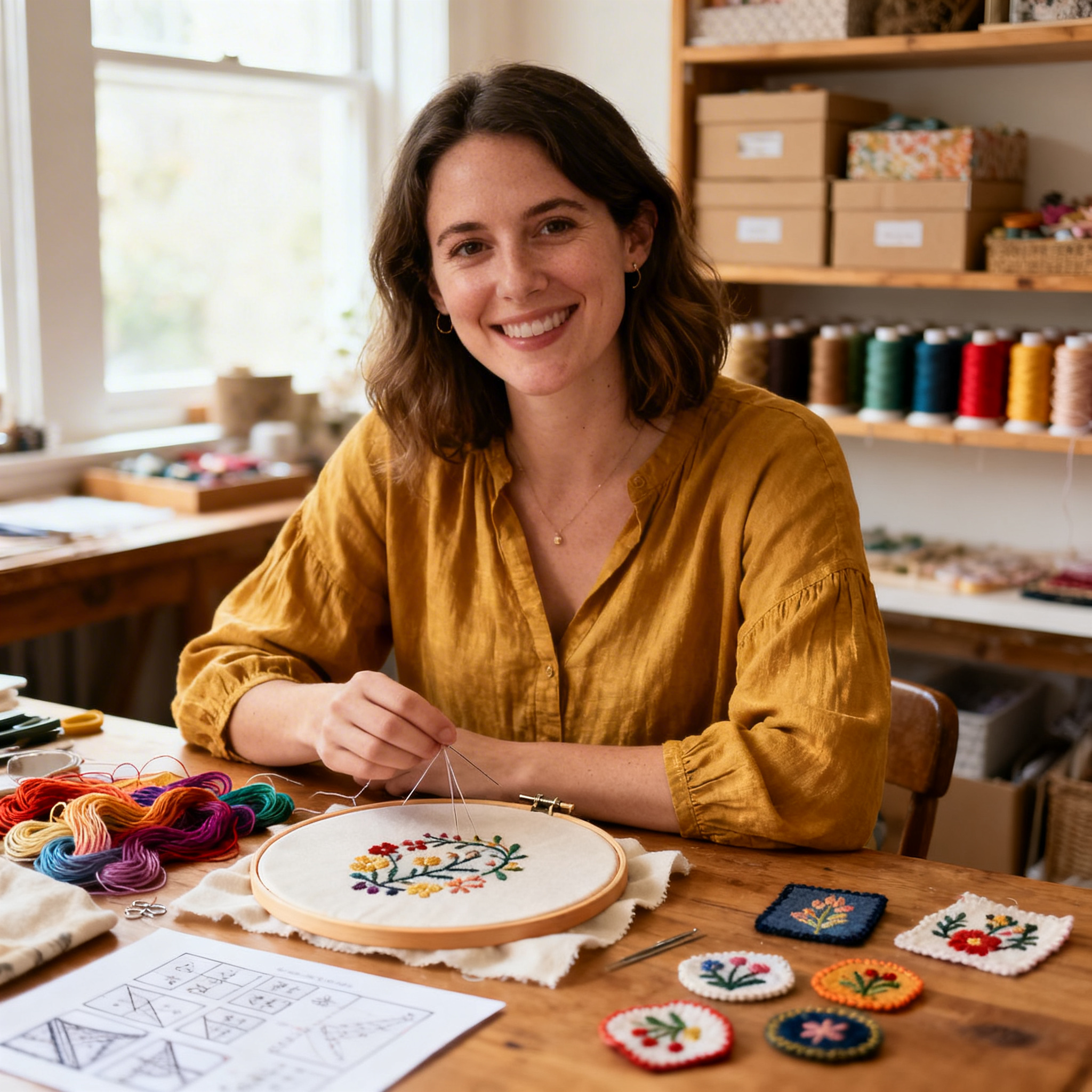
I’m Sophie Caldwell, the author behind granaboom.com, and I believe hand embroidery is one of the simplest, most relaxing ways to create something beautiful with your own hands. I started this blog to help beginners learn hand embroidery without feeling overwhelmed by complicated instructions or “perfect” results.
Here you’ll find beginner-friendly guides to decorative embroidery stitches, along with clear step-by-step practice ideas and patterns you can use to build confidence. My focus is on making the learning process easy: simple explanations, helpful stitch combinations, and small projects that look polished even when you’re just starting out.
Welcome to granaboom.com—grab your hoop, choose a few colors, and let’s stitch one line at a time.