Indian Kantha Stitch: The Running Stitch Tradition of Bengal
Bengal roots and history
You feel the pull of Bengal’s fabric and history when you trace its stitches back to humble beginnings. The Indian Kantha Stitch: The Running Stitch Tradition of Bengal isn’t just a method; it’s a way to connect with everyday life, with stories sewn into cloth. A simple running stitch becomes a quiet conversation between hands, history, and memory. In Bengal, every thread carries a memory, inviting you to step into that threadwork as you learn.
Origins in rural Bengal
In rural Bengal, you start with what you have: old saris and scraps saved for years. Picture women under a thatched roof, stitching to mend, layer by layer, until a new piece of cloth is born. The running stitch is fast, simple, and sturdy for everyday needs, evolving from repairs into decorative patterns that turn practical rags into keepsakes. Kantha becomes a diary of life—births, rains, harvests—each line telling a small, honest tale.
Spread across Bengal
As families traded and moved, the craft traveled with them. Towns adopted their own flavors while keeping the same heartbeat: the running stitch bound by care. Markets and fairs showcase bright borders, geometric motifs, and playful animals, but the core remains resilience and memory woven in. A Kantha piece can be read as a map of routes across Bengal, from village lanes to riverbanks, stitched with patient rhythm.
Key historical facts
Sewing began out of necessity and grew into tradition. Kantha stitching popularized during times of scarcity, when scraps provided warmth and comfort. The technique traveled with families along rivers and railways, adopting local motifs along the way. Kantha isn’t a single rigid style; it’s a family of techniques with the running stitch at its core. The phrase Indian Kantha Stitch: The Running Stitch Tradition of Bengal captures that blend of practicality and art—a steady thread through centuries of change. It’s as much about community as it is about cloth.
How the running stitch works
The running stitch is simple: you move the needle in and out, leaving a dashed line of tiny stitches. It becomes second nature, like tapping along to a favorite rhythm. When you pull the thread snug, the line stays neat; pull too hard, and it puckers, so you learn to keep steady. Use it for quick seams, decorative lines, or sturdy edges. It’s the backbone of many embroidery traditions—easy for beginners, flexible for seasoned stitchers.
The rhythm of the running stitch is its beauty. You don’t need fancy tools—just fabric, thread, and a needle. Vary stitch length for texture: long lines for bold borders, short lines for subtle shading. Small gaps become part of the design, a heartbeat in cloth. This stitch invites you to play with spacing and tension, turning a simple line into character on fabric.
For beginners, think of the running stitch as counting steps. Each forward move is a step; each back move is a breath. You’ll get smoother with practice, and stitches will lie evenly along the fabric. If you make a tiny mistake, it’s easy to fix—pull the thread, reseat, and continue. The running stitch opens the door to folk and traditional embroidery you’ll explore next.
Running stitch tradition basics
You start with clean, even fabric and a manageable length of thread. Tie a small knot at the end, push the needle up from the back and down toward the front in a straight line. Aim for a comfortable stitch length so your row is uniform. Keep the fabric taut but not stretched to avoid wobble. This simple line forms a reliable, flexible base for bigger designs.
This tradition isn’t just about a line; it’s about rhythm. Running stitches outline, shade, or fill wide spaces with even texture. Practice by making a narrow path along a sample edge, then widen it to see how the line changes. The technique travels well across cultures, adapting to your style as you gain confidence.
As you practice, you’ll understand why this stitch is beloved: it’s forgiving, lays down a steady framework for patterns, and is accessible yet expressive.
Kantha stitch basics
Kantha stitch begins with layering fabrics. Stack old saris or scraps and stitch through the layers with small, neat stitches. The running stitch is primary, though backstitch or running stitches form decorative lines that hold layers together. The goal is a full, quilt-like piece with texture, depth, and a handmade feel—memory and stories as much as thread.
Notice stitch size matters: typically short, even stitches catch the top and bottom layers evenly for a sturdy quilt. Color choices matter too; bright contrasts or multi-colored rows sing together. The overall effect is cozy and lively, a nod to village life where scraps become art and every line has meaning.
In Kantha, the running stitch isn’t just technique; it’s a tradition of resourcefulness. Work with what you have—fabric scraps—and transform them into something usable and beautiful. Your stitches become a diary of fabrics, colors, and moments, connecting generations of Bengal stitchers and beyond.
Step order and stitch rows
- Start with the fabric right side up and secure with a light knot.
- Bring the needle up near the edge and begin the first row with even, short stitches.
- Move steadily along the line, keeping tension consistent so the row sits flat.
- At the end, turn and start the next row, staggering stitches for even coverage.
A key tip is to plan rows to avoid bunching. Staggering start points helps reduce gaps and yields a smooth, continuous look. If filling space, keep rows parallel and evenly spaced for a tidy, traditional appearance. Knot off securely when you finish and trim excess threads.
Materials and recycled saree practice
You’ll start with the right mindset and scraps. Reusing sarees isn’t only eco-friendly; it gives your embroidery history you can feel in every stitch. Gather old sarees with soft cottons and light silks. Choose pieces with worn edges or faded colors; quirks become character. Decide what you want to celebrate: vibrant borders for kalamkari-inspired work or muted tones for Bengal-inspired pieces. Keep a basket of basics: a sharp needle, strong thread, and reliable scissors. The fabric’s memory guides your hands.
Recycled saree practice means planning your pattern around the fabric’s grain and texture. Start simple, test stitches on a corner, and let the running thread help you see where the cloth wants to sit. For a kantha look, layer multiple pieces; align seams to become part of the design. Old sari colors can create depth, like a painting that shifts as you move. Your goal is to honor the textile’s life while creating something you’ll treasure.
As you grow, build a small kit: needles for different fabrics, a thimble, and good lighting. Keep the workspace tidy; patience beats speed in folk styles. A recycled saree becomes a personal archive you add to with every project. When you finish, you’ll feel pride in giving new life to someone else’s memories.
Recycled saree Kantha techniques
Pair simple running stitches with small, even knots to achieve Kantha textures. Start with a light basting stitch to secure layers, then use the classic running stitch for a soft, quilted look. Use short stitches, about fingertip-length, to let the fabric breathe and the texture sit evenly. Keep thread tension steady; too-tight seams pull, too-loose seams sag. Stitch a line, then fill or echo with a second pass for a gentle rhythm.
For a dynamic effect, layer contrasting threads and let light catch raised stitches. Mix simple running stitches with small chain stitches at corners or borders to echo traditional motifs without overcomplicating the piece. Don’t force a plan—let the fabric’s history hint at the pattern. The recycled saree becomes a storyteller, each stitch tying the old and new together, yielding a soft, lush surface.
Common fabrics and threads
- Cotton sarees are forgiving for beginners—soft yet sturdy, keeping stitches neat.
- Silk or silk-blend requires gentleness; its sheen can make stitches pop.
- Cotton is a natural match for Kantha, though cotton-silk blends add a touch of luster.
- Dark blues, rich reds, and creamy whites pair well with most Kantha motifs and highlight running stitches.
Choose thread colors that echo the saree’s base. Bold contrasting threads highlight texture; tone-on-tone blends create a soft quilted surface. Let the fabric guide you; a seam gap can cue a looping stitch or a knot to secure layers. Aim for harmony between fabric and thread so every stitch feels intentional.
Care and washing tips
Treat Kantha with care. Hand wash in cool water with mild detergent, lay flat to dry, and avoid wringing. If machine washing is needed, use a delicate cycle and a mesh bag. Iron on a low setting with a pressing cloth to prevent shine on delicate areas. With patient care, your piece ages gracefully.
Motifs, patterns and symbolism
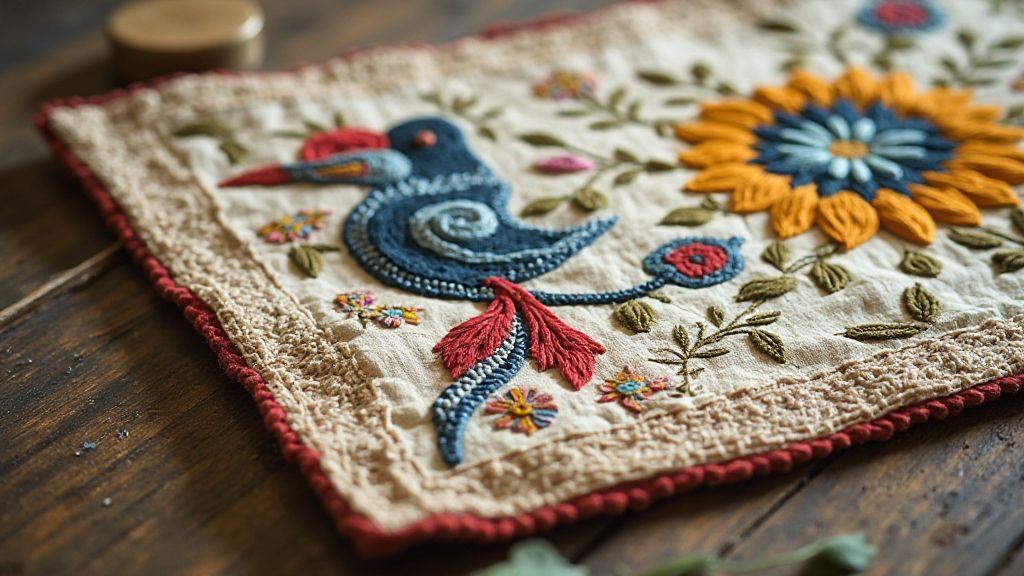
You’re stepping into a world where every stitch carries meaning. Traditional folk embroidery features motifs that repeat across regions, each shape telling a tiny story. Floral swirls, geometric diamonds, and bird silhouettes are more than decoration—they’re talismans, hopes, and memories woven into cloth. Pattern repetition builds rhythm like a song, inviting you to trace edges and imagine the hands that stitched them. Color choices—bright reds for celebration, earthy browns for endurance, cobalt blues for the sky—map culture and daily life. Understanding symbolism turns admiration into conversation with the maker.
When decorating a home or creating a heirloom, use motifs thoughtfully. Pick a central emblem and echo it in borders or repeats to maintain balance. The aim is to honor, not copy. Your textile becomes a bridge between worlds—a shared story you wear.
Traditional kantha quilt patterns
Kantha quilts reveal a patient heartbeat in every stitch. Simple running stitches form tiny motifs—fish, trees, flowers—stitched in rows into a new creature. The texture grows with you, layer by layer, carrying history of left-over sari pieces used to create warmth and memory. Patterns vary by village and family, but share a common language: borders frame central motifs or fields of repeated shapes imply abundance. Start with a basic running stitch and small units; broader designs emerge from the same careful rhythm. Kantha is about layering memory—old fabrics, new hands, your future touch.
For modern homes, Kantha translates to throw pillows, bed runners, or wall hangings. You don’t need perfect seams; you need honest stitching and intention. A Kantha piece invites a story; your space becomes warmer, more lived-in, and more you.
Bengali folk embroidery motifs
In Bengali embroidery, motifs feel playful yet rooted. Peacocks, lotuses, and dancing figures convey movement and celebration. Everyday symbols—pots, birds, mango leaves—are drawn in bold outlines and bright dyes. These designs aren’t decorations; they’re cultural shorthand passed down with a wink. Sewing these motifs connects you to generations of makers keeping traditional storytelling alive through fabric.
Color in Bengali embroidery is a language of its own. Vibrant combinations—hot pinks with greens, yellows with blues—feel like a festival on fabric. Styles range from delicate to bold, depending on region and purpose. If you borrow a Bengali motif for your project, keep scale respectful and composition balanced so the embroidery reads clearly and honors its origins.
Mixing styles is possible: Bengali motifs pair well with simple Kantha textures, creating a striking focal point in modern pieces with traditional soul.
Meaning behind common designs
Common designs carry more than looks. A lotus often signifies spiritual awakening and purity; a flame represents warmth and life; a peacock stands for beauty and grace. Many motifs signify protection or good fortune, used as talismans on quilts or garments. When you choose designs, you’re selecting messages to carry forward.
Understanding meanings helps you stitch with purpose. For a hopeful piece, select motifs tied to renewal; for protection, choose patterns used by travelers or farmers. Let the motif guide your color and fabric choices so your textile remains beautiful and meaningful.
Tell a story with your fabrics: start with a motif you love, explain it in a label or note, and let your piece become a conversation starter. Thoughtful details make embroidery personal and enduring.
Contemporary uses and market
You’re looking at a living craft traveling from village sewing baskets to boutique studios and online shops. Contemporary Kantha uses pair traditional stitches with modern silhouettes and colors. You’ll find Kantha-inspired jackets, shawls, and lightweight quilts that feel both nostalgic and fresh. Markets reward stories; limited runs and collaborations create desire while preserving craft integrity. Brands emphasize handmade authenticity with durable, easy-care products suited to busy lifestyles. The market favors pieces with soul, durability, and a clear maker connection.
If you want a true conversation starter, seek items that pair Kantha with everyday wear. A Kantha scarf over a tee or a quilted throw on the couch can spark curiosity about culture and craft. Buying directly from artisans supports a living tradition, benefiting communities and your style. Look for limited editions, collaborations, and community-backed projects that keep the craft alive.
Contemporary Kantha designs in fashion
Contemporary Kantha designs appear on runways and in streetwear, creating magical contrasts. Designers blend running-stitch motifs with bold color blocks or minimalist palettes for pieces that work from office to evening. The same stitch can look rustic in one garment and chic in another, depending on fabric, scale, and color. Repeating motifs may be lighter or denser, reading as artful embroidery rather than patchwork. Edges finished with care and quilting that holds up with wear are telltales of quality. A Kantha piece can be your wardrobe signature—distinctively handcrafted.
When shopping, seek pieces that balance fabric, thread, and color so the embroidery supports the garment. Look for durable finishing, and consider limited-run jackets, skirts, or scarves that feel personal and collectible.
Kantha quilt and home décor
Kantha quilts and decor bring warmth and character to a room. A Kantha quilt on the bed acts as a textured centerpiece—cozy on cool nights. Cushions and throws mix old-world charm with modern color palettes, featuring gentle ridges and a soft surface you’ll want to touch. Lightweight Kantha blankets suit picnics, while heavier quilts make a statement on a sofa. Color choices matter: muted earth tones bring calm; bright contrasts add energy.
Authenticity matters in décor as in wearables. Look for consistent running stitches across large sections and intentional color pockets. Backing fabric and quilting density reveal care and quality. A well-made Kantha décor item should lie flat with evenly stitched lines and no loose threads. Bring Bengal’s handwork into daily life.
How to spot authentic hand-stitched Kantha
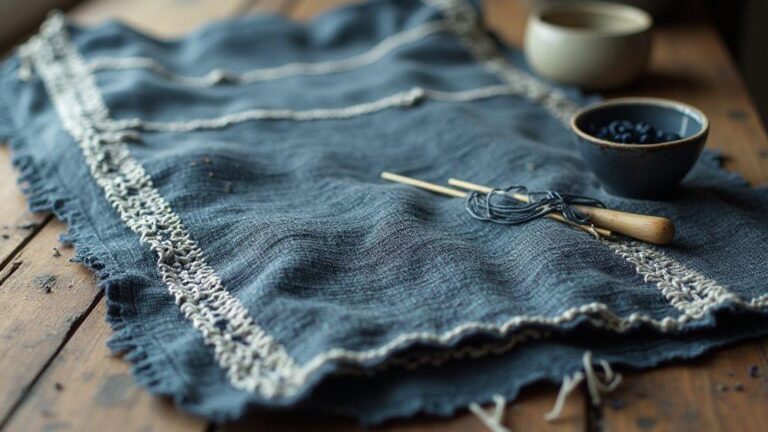
To spot authentic hand-stitched Kantha, look for irregularities that signal human hands, not a machine. Slight variances in stitch length and spacing add texture. The color palette often blends printed cotton with patched fabrics in a spontaneous way. Backings may be misaligned—small imperfections that indicate village-made pieces. A rhythmically light running stitch hints at real Kantha.
Check stitch density and thread consistency. Hand-stitched Kantha uses a running stitch that isn’t perfectly uniform, showing slight tension differences. Inspect the reverse side: threads tie off neatly but aren’t machine-pressed. Authentic Kantha often uses reclaimed fabrics, so patches or frayed edges add to the story. Ask about the maker or studio; transparent supply chains usually accompany true handwork.
Texture and weight matter too. A genuine Kantha piece feels lightweight yet dense with raised stitches. The fabric mix should be soft and worn, not stiff. If you see perfectly uniform stitches and flawless edges, it may be machine embroidery or mass-produced. Trust your touch and eye: authentic hand-stitched Kantha carries a warmth digital perfection can’t replicate.
Learning, craft care and preservation
Embark on a journey with your hands and heart. Learning is slow and joyful, and every stitch teaches patience, rhythm, and color. Your first Kantha won’t be perfect, but it will be yours—born from curiosity and practice. Studying old patterns and their stories builds a memory bank of techniques you can draw on for bolder experiments. Keeping hands steady and mind curious keeps the tradition alive at home and for future makers.
Preserving Kantha means treating fabric, thread, and needle with respect. Wash thoughtfully with a gentle soap and cool water, then lay flat to dry to prevent color bleed. Press lightly on the reverse side to avoid shine. Store fabrics in a cool, dry place away from direct sun to prevent fading. The goal is to keep the charm of running stitches, tiny knots, and soft texture intact so Kantha can be worn, shown, or passed down.
Regular practice is your best teacher. Set aside time to stitch weekly, even 15 minutes. You’ll see tension stabilize, color choices improve, and your hands gain confidence. Treat each project as a dialogue with the past: borrow from what came before, add your own notes. When you finish, photograph your work and note what you’d do differently next time. Small, consistent steps keep you moving toward mastery without burning out.
Where you can learn Kantha
Local workshops at community centers, weaving collectives, and embroidery studios offer patient guidance on fabric scraps, thread, and the running stitch. If you’re new, start with a simple patchwork panel or a small heirloom cloth to build rhythm. Online courses with close-up videos and practice sheets can help too. Look for classes on basic stitches, fabric layering, and color balance to build a solid foundation.
When you learn Kantha, focus on materials first. Seek sturdy cottons, old bed sheets, or sari scraps. Ask instructors about stitch tempo and how to flip your piece to keep knots neat on both sides. Some teachers emphasize freehand stitching, others planning a pattern. Take what works for you and leave what doesn’t. Your learning curve will bend, not break, as you find your pace and preferred color combinations or motifs.
Support artisans and fair trade
Choose shops and studios that clearly support the makers who cut, stitch, and dye the fabrics you love. Fair-trade sourcing ensures workers earn fair wages in safe conditions. Buying Kantha pieces from such sources supports dignity, quality, and the continuation of traditional skills. Look for labels about transparent pricing, community benefits, and sustainable practices. Your purchase becomes a vote for people and craft.
Support also comes in non-monetary ways: share the stories behind your Kantha, tag artisans or studios, or participate in collaborations that spotlight local techniques. You’ll be part of a network that sustains craft communities and keeps the Indian Kantha Stitch: The Running Stitch Tradition of Bengal alive in modern homes. When you buy, ask about sourcing, weaving methods, and makers’ lives. Your curiosity drives better practices and stronger connections.
Steps to start your first Kantha project
Pick a small fabric piece about a square foot and lay a contrasting top layer over it. Thread a thick, soft needle with a single color for the run stitches. Start with a simple running stitch along the edge and gradually fill in with short, even stitches. Don’t overthink it—the charm lies in tiny, imperfect lines that build texture. If you want a pattern, sketch a freehand motif and echo it with your stitches, keeping spacing steady for an even surface. Finish with a neat back, trim threads, and wash gently to set the stitches. Your first Kantha will show you where you want more color, density, or air between stitches.
As you gain confidence, layer different fabrics and experiment with stitch density. Try decorative patterns like small leaves or diamonds, but keep the core technique simple to preserve the textile’s soft, quilted feel. Handle pieces with care during washing and drying, and always press lightly on the reverse to protect the stitches. Your first project isn’t about perfection; it’s about learning the rhythm and discovering your voice within the tradition.
This edited version preserves the original style while reducing repetition, improves flow for readability, and reinforces SEO with repeated, natural mentions of the keyword Indian Kantha Stitch: The Running Stitch Tradition of Bengal.

I’m Sophie Caldwell, the author behind granaboom.com, and I believe hand embroidery is one of the simplest, most relaxing ways to create something beautiful with your own hands. I started this blog to help beginners learn hand embroidery without feeling overwhelmed by complicated instructions or “perfect” results.
Here you’ll find beginner-friendly guides to decorative embroidery stitches, along with clear step-by-step practice ideas and patterns you can use to build confidence. My focus is on making the learning process easy: simple explanations, helpful stitch combinations, and small projects that look polished even when you’re just starting out.
Welcome to granaboom.com—grab your hoop, choose a few colors, and let’s stitch one line at a time.