DMC vs Anchor vs Madeira: Which Embroidery Floss Is Best?
DMC vs Anchor vs Madeira: Which Embroidery Floss Is Best?
Choosing the right embroidery floss can shape your project from start to finish. DMC stranded cotton is the go-to for many beginners — steady, easy to find, and available in a rainbow of colors. Anchor cotton feels softer and can be kinder to delicate stitches, especially on linen. Madeira rayon provides a shiny, silky finish that really makes colors pop for decorative work. Each fiber has a personality, and your project will guide your choice as much as your mood.
For a neat, even look with reliable color, you’ll likely reach for DMC. If softness is your goal, Anchor is a strong friend. If you want lustrous shine and bold highlights, Madeira rayon shines. Your fabric choice and needle size matter too; the floss should glide smoothly, not fight you. The right pair makes your stitches look confident from the first line to the last knot. When choosing fibers, weigh cost and availability: DMC is easiest to stock, Anchor is common in craft shops, and Madeira rayon tends to be pricier but offers a premium finish.
Fiber differences: DMC stranded cotton, Anchor cotton, Madeira rayon
DMC stranded cotton is the standard for many beginners because it’s dependable, easy to stock, and comes in a broad color range. Anchor cotton feels softer in the hand and can be gentler on delicate stitches, particularly on linen. Madeira rayon delivers a shiny, silky finish that makes colors pop in decorative work. Each fiber has a distinct personality, so let your project guide your choice.
Your look matters: for neat, even stitches with consistent color, choose DMC. For softness and a mellow hand, opt for Anchor. For lustrous shine and bold highlights, Madeira rayon takes the stage. Your fabric and needle size matter too; the floss should glide smoothly.
Cost and availability also weigh in. DMC is the easiest to stock and replace. Anchor is widely available in craft shops and often priced similarly. Madeira tends to be pricier and used for special effects, but its glow is hard to match. Project size, budget, and goals shape which fiber you reach for most.
What cotton vs rayon means for your stitches
Cotton floss yields tidy, steady lines; strands hold their shape, helping beginners keep even density and smooth curves. It’s responsive to tension—pull too tight and you can warp the fabric. Rayon adds a touch of drama, gliding through fabric with a soft shimmer and making colors pop. It can fray a bit more at the ends and may require a steadier hand for tidy tails. If you’re aiming for decorative accents, rayon can make stitches feel special right away.
Think of cotton as training wheels and rayon as the extra sparkle. Use cotton for letters, outlines, and steady fills; bring in rayon for highlights or a fancy border. Match the fiber’s feel to your design goals and comfort level with hand tension.
How DMC stranded cotton quality and performance compares
DMC stranded cotton is reliable: broad color range, stable dye, and a floss that lays down smoothly in even threads. It splits neatly into six strands, letting you choose just the right thickness for your stitch. The fibers are less prone to shedding, so projects stay tidy longer. You’ll see consistent dye lots across skeins, which helps avoid color shifts in a single project. The twist and ply balance give good strength without stiffness.
Note: DMC can feel a touch stiffer on very delicate fabrics. If you’re working with fine linen, test a short sample first. For added sheen, mix in a strand of rayon for a highlighted edge. But for most beginners, DMC offers a solid balance of control and color.
Color range and sheen across DMC, Anchor, Madeira
Color range and sheen differ between brands, affecting how your work reads. DMC provides a wide rainbow, Anchor offers rich, traditional tones, and Madeira delivers bold, saturated colors. Your color names may vary across brands, so keep a color chart handy to compare before threading.
How many shades you’ll find:
- DMC often offers hundreds of hues.
- Anchor presents a broad, reliable palette.
- Madeira delivers bold, saturated options for vibrant designs.
For beginners, a core set of 20–40 colors from one brand is usually enough to start. If you’re aiming for photo-like shading, expand gradually with related shades.
Sheen and finish:
- Matte cotton reads softly and suits natural fabrics.
- Shiny rayon adds luster, making bold designs stand out on smooth surfaces.
- Finishes vary by brand; test strands on scrap fabric to see how they sit in light.
Fact: Madeira color range is deep and saturated, with a polished sheen that supports bright, modern designs. It’s often a good fit for dense fabrics and decorative work.
Colorfastness and durability compared
Colorfastness measures how well a thread keeps its color after washing and sun exposure. Durability gauges how the thread holds up under rubbing and stitching over time. Plan for color that stays vibrant through typical wear and washing, and test a small sample before committing to a larger project.
Which brands resist fading when you wash or leave in sunlight:
- Some brands perform better in certain colors and fabrics; fade resistance varies by dye lot and usage.
- Conduct quick side-by-side tests on your fabric to see how each brand ages in your environment.
How twist, ply, and wash tests show durability:
- Twist tests show how many times a thread can be pulled before fraying.
- Ply tests reveal resilience to re-twisting without fuzz.
- Wash tests reveal colorfastness after laundering.
Evidence: DMC vs Anchor colorfastness durability
In side-by-side checks, DMC often holds colors well after washes; Anchor can be strong too, but performance varies by dye lot. Both offer solid colorfastness, but no brand is perfect for every color or fabric. Your own testing with your fabric confirms which holds up better for your project.
DMC vs Anchor vs Madeira: Which Embroidery Floss Is Best for hand and cross stitch
You’re starting with hand embroidery, and choosing the right floss matters. The three big names—DMC, Anchor, and Madeira—each bring something different. DMC floss is the most familiar to beginners, with a vast color range and easy-to-find spools. Anchor offers strong colorfast threads that sit nicely on fabric, while Madeira gives premium luster and a silky feel, great for decorative work. Your choice comes down to the finish you want and how available and affordable you need it to be.
Why you’ll choose DMC for detailed cross stitch
DMC threads thread easily through small holes, with a huge color range and consistent thickness across skeins. The codes are straightforward, and patterns and tutorials abound. For bold, crisp stitches, DMC keeps designs flat and readable. It’s a solid default for beginners who want reliable performance and broad compatibility.
When Anchor or Madeira can boost your hand embroidery look
Anchor adds body to stitches, helping letters or motifs pop on many fabrics. Madeira’s shine elevates decorative stitches on towels, curtains, or wall art. Use them on specific areas to balance cost and look, especially on dark fabrics or when you want visibility from a distance.
Tip: best embroidery thread for cross stitch and hand embroidery
Start with DMC for most cross stitches to build confidence. Keep Anchor handy for bulk stitches that need extra body, and pull out Madeira when you want a premium finish on key decorative areas. Always test a small sample first.
Using these threads in machine embroidery and detailed work
Machine embroidery benefits from threads that stay smooth under a needle, resist fraying, and don’t shed fibers. Satin stitches love a tight twist; detailed work needs a thread that holds a fine line without skipping. When switching to machine work, test a small design first to see how the thread behaves on your fabric, stabilizer, and machine speed. If shredding occurs, try loosening needle tension or switching to a finer floss option. Pair your thread with a compatible stabilizer—tear-away for dense fills and cut-away for appliqué edges. Keep a steady hand, but let the machine do the bulk for precision.
Which brands work best in home embroidery machines
Some brands perform consistently in home machines due to lower lint and steadier twist. For beginners, choosing widely supported brands reduces surprises and helps thread matching with your machine’s needle and stabilizer. Availability matters for long projects, so pick brands with easy restocking and a broad shade range.
How to pick floss when you need fine detail or texture
For fine detail, pick a thread that flows through the needle and lies flat in tight stitches. For texture, look for a bit more plumpness and a gentle sheen. Test a tiny sample on your fabric with the same stabilizer and needle you’ll use in the final piece. Cotton floss offers a classic matte finish; mercerized cotton adds shine and colorfastness; blends with polyester provide extra durability. Consider the fabric’s weave and the stitch type, since the same floss can look very different on linen versus broadcloth.
Guide: comparing embroidery floss brands for machine embroidery
Compare consistency, colorfastness, and finish. Test with a small design on your fabric, needle, and stabilizer to evaluate these factors. Build a tiny swatch set to compare brands on the same stitch pattern and fabric. Some brands yield brighter dye lots, others a vintage look. Variegated colors can add shading with less stitching. Use the same brand for similar colors to maintain cohesion unless you’re intentionally mixing textures or finishes.
Cost, availability, and pros and cons for you
Price, availability, and what you gain with each option matter. Some brands are cheaper per skein but fade faster; others cost more but stitch more smoothly and hold color better. Balance cost, ease of restocking, and how the floss behaves in your hands. Keep a small stash of each brand to switch if needed.
Where to buy DMC, Anchor, Madeira and typical price points
All three are sold at craft stores, online marketplaces, and specialty embroidery suppliers. Big chains stock DMC most; Anchor and Madeira often appear in stitch-focused shops. Online, you’ll find all three from major retailers and smaller boutiques. Check stock locally to avoid extra trips.
Typical price points: DMC and Anchor skeins are generally affordable for beginners; Madeira is pricier due to its luxury finish. Bulk purchases can reduce per-skein price. Color-matching is easier when you have reliable sources with broad palettes.
Anchor stranded cotton review and pros cons for beginners
Anchor is beginner-friendly with predictable strands and a wide color range. Pros: good colorfastness, decent sheen, reasonable price. Cons: can feel slightly stiffer on certain fabrics, and dye-lot consistency can vary between lots.
Summary: which embroidery floss is best DMC Anchor or Madeira
DMC is versatile and widely available; Anchor is friendly for learners; Madeira offers a premium finish for more advanced projects. For beginners, Anchor or DMC is the practical starter choice, with Madeira suitable for special projects or when you want that extra glow. Try one skein from each brand to feel how they behave on your fabric, then pick a consistent favorite for future projects.
Conclusion: DMC vs Anchor vs Madeira: Which Embroidery Floss Is Best?
For most beginners, Anchor or DMC is the practical starter choice, with Madeira reserved for special projects or when you want that extra glow. Your best move is to try a skein from each brand to see how they feel on your fabric, then commit to a consistent favorite for future projects.
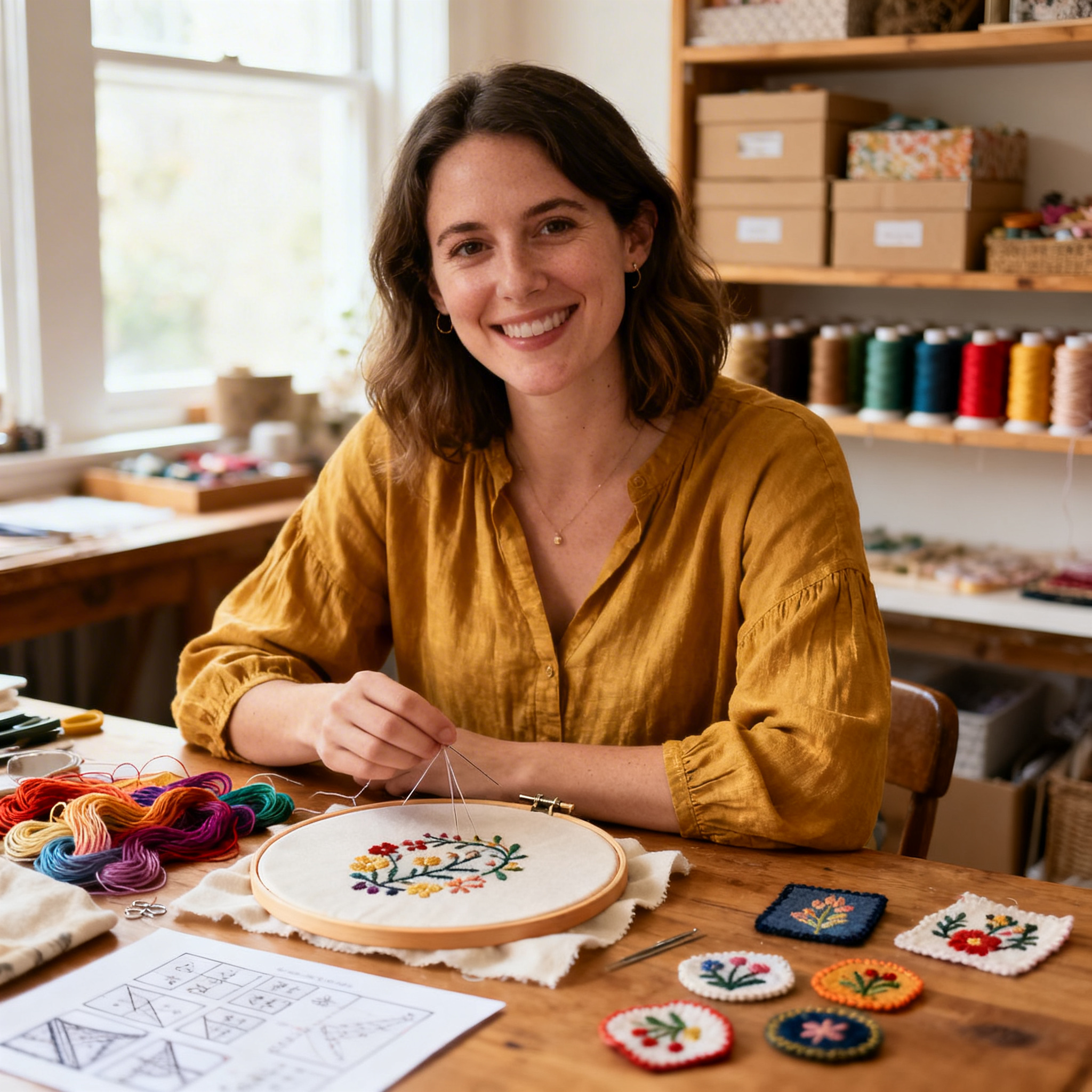
I’m Sophie Caldwell, the author behind granaboom.com, and I believe hand embroidery is one of the simplest, most relaxing ways to create something beautiful with your own hands. I started this blog to help beginners learn hand embroidery without feeling overwhelmed by complicated instructions or “perfect” results.
Here you’ll find beginner-friendly guides to decorative embroidery stitches, along with clear step-by-step practice ideas and patterns you can use to build confidence. My focus is on making the learning process easy: simple explanations, helpful stitch combinations, and small projects that look polished even when you’re just starting out.
Welcome to granaboom.com—grab your hoop, choose a few colors, and let’s stitch one line at a time.