Palestinian Tatreez: Cross Stitch as a Language of Resistance and Identity
Origins of Palestinian Tatreez
Palestinian Tatreez has been passed down through generations, stitching stories into every pattern. It’s memory, courage, and shared history you wear. This craft isn’t just embroidery—it’s a living tradition that stays vibrant with bold colors, tighter stitches, and a calm rhythm that mirrors village life. When you sew, you join hands with ancestors who used thread to mark celebrations, work, and quiet moments alike.
Tatreez began as a practical skill and grew into a language of its own. The needle becomes a voice, telling tales of land, family, and seasons. The act of stitching invites you to slow down, reflect on where your dress, scarf, or wall hanging comes from, and honor ancestors or tell your own story. Fabric becomes memory you can touch.
Today you’ll still find Tatreez in markets and homes, waiting for hands to pick up the thread again. Start with a small motif, then learn larger patterns that mark weddings, harvests, or migrations. Learning and sharing keep this living tradition alive for children and friends, turning everyday pieces into a bridge to a vibrant, personal heritage.
Regional roots and timeline
Palestinian Tatreez features regional styles, each with its own color families and stitches. Village differences map out a timeline of movement, trade, and craft. Early patterns used simple geometric shapes, evolving with new influences as communities formed. You can trace roots by the stitches you choose, the hoop size, or needle tension—reading a map stitched into fabric.
Over the centuries, motifs traveled with travelers, merchants, and migrating families. The timeline is a patchwork of crossings, marriages, and shared spaces. A motif may travel across regions, shifting color or scale to suit local tastes. This adaptability keeps Palestinian Tatreez alive while preserving its core language.
When exploring a piece you own or admire, look for regional indicators: a border stitch might point to a town, while color combinations hint at a family tradition. These clues deepen your connection to the craft and the story behind every thread.
Palestinian embroidery in daily life
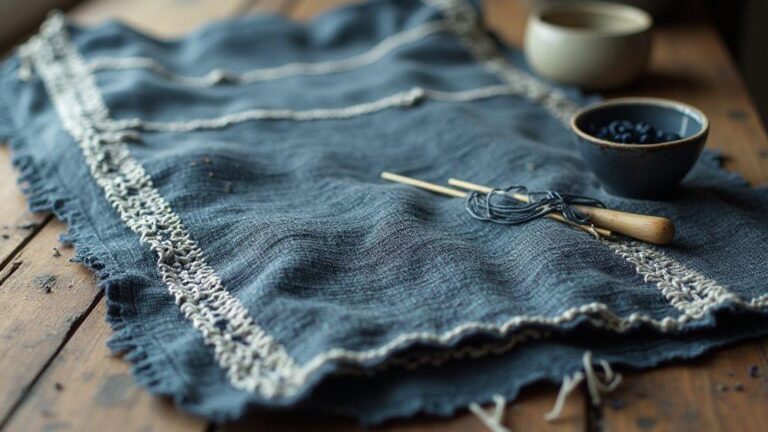
Tatreez is woven into daily life, not just displayed on walls. It appears on table runners, bags, and clothing worn with pride. Stitch by stitch, you carry home, memory, and resilience. Embroidery in daily life becomes a small ceremony—patterns for weddings, births, or holidays transform ordinary moments into meaningful ones. Sitting with a needle becomes a quiet ritual shared with family or friends, teaching patience, color, and the stories behind each design. Everyday items become cultural carriers and connections.
If you’re new to Tatreez, start with a simple motif on comfortable fabric. You’ll progress quickly, and neighbors may admire your work at village gatherings or markets, where conversations bloom around color and memory. A small project can spark big conversations about heritage and identity.
Historical archives
Historical archives for Palestinian embroidery capture patterns, tools, and how people lived. You’ll find sketches, notes, and photos in libraries, museums, and family albums that reveal what mattered in different eras. They help explain why a motif exists, what it signified, and how it changed over time.
Looking at archives shows how embroidery mirrored life—seasons, crops, and celebrations inspiring new stitches. Color choices shifted with trade and availability, and political events pushed people to preserve their craft even more. Archives remind you that your stitching is part of a larger conversation spanning generations and borders.
If you’re researching your piece, use archives to identify origins and meanings. This context helps you design respectfully and authentically.
Tatreez symbolism and motifs
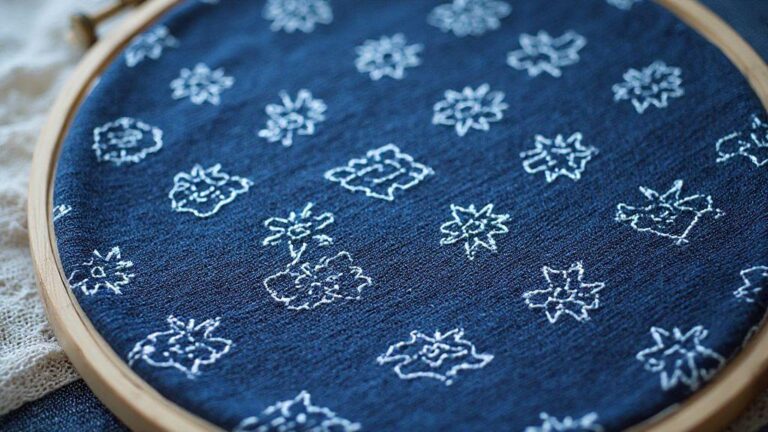
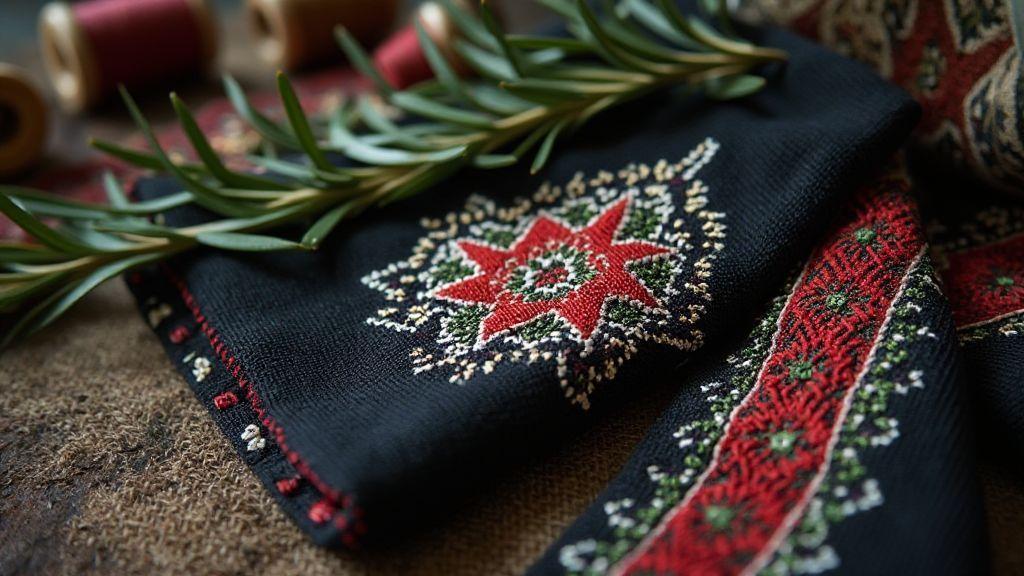
Tatreez carries stories you can read with your eyes. Every stitch is a memory, and every motif holds meaning you can feel beneath your fingertips. Patterns are not just shapes; they’re maps of culture, family, and place. Contrasts—bright threads against dark ground—draw attention to the center and invite you to listen to history tucked into every line.
Tatreez speaks through you; motifs reflect daily life, nature, and hope. You’ll spot geometric shapes echoing ancient towns or floral hints recalling elder-tended gardens. Threads are statements—bold reds for resilience, cool blues for the sea, golden yellows for harvests. Stitches with intention join a long chorus of makers who shaped these patterns.
Understanding symbolism helps you read a piece quickly. A repeated diamond can signal protection; a meandering line might show a journey; a flower could bless a home. The craft lives in your hands, linking you to others who practice the same art. Read messages through careful stitches, mindful color, and respect for the stories in every motif. This is how culture moves forward.
Traditional Palestinian motifs
Traditions pass from grandmother to grandchild in motifs like diamonds, crosses, and leaves that weave a shared truth: community matters. Sewing these motifs links you to a long line of makers who kept rituals alive through thread and cloth. The shapes feel familiar, anchoring you even when you’re far from home.
Each motif welcomes personal touch—start with a classic grid of diamonds, then add your own twist, such as a favorite color or a local line. It’s about honoring origins while making the design your own. Traditional motifs balance symmetry with small irregularities, giving your piece a warm, handmade feel that mass production can’t match.
Palestinian Tatreez often uses symbols for home, protection, and family: branches for growth, pomegranates for abundance, hands or knots for solidarity. Stitching these motifs keeps a dialogue with past generations, allowing your piece to speak softly to others who recognize the same symbols, even across continents. It’s a quiet, powerful way to connect through fabric.
Cultural identity Tatreez and color
Color choices tell a story of belonging. You’re not just picking contrast; you’re signaling culture, history, and place. Bold reds signal courage; deep blues recall sea and sky; earthy greens nod to fields. Each shade becomes a passport inviting questions about origins and personal connection to the craft.
Color in Tatreez follows regional traditions and personal meaning. Ceremonial pieces may use brighter palettes, daily wear softer tones. Stitching with color weaves identity into fabric. A small change—like swapping purple for pink—can shift mood from solemn to festive. You can respect old rules or bend them to reflect who you are today.
Color also helps tell your story. If you grew up near the coast, turquoise and sea greens might dominate; inland, warm browns and golds may feel natural. Let your choices honor tradition while making the piece truly yours. Your work becomes a bright thread tying you to a larger tapestry.
Motif maps
Think of motif maps as guides to the language of Tatreez. They chart where motifs come from and what they can mean on fabric. Maps show clusters signaling family ties or region-specific stories. Use the map like a compass to keep your piece rooted in Palestinian tradition while letting your voice shine through.
A motif map helps you plan your project: a central motif representing home, surrounded by protection or growth, with a border of repeating patterns that echo village life. The map acts as a checklist, ensuring your piece remains cohesive and meaningful from start to finish.
Remember the keyword as you work: Palestinian Tatreez: Cross Stitch as a Language of Resistance and Identity. This phrase captures why you stitch: it’s not just decoration—it’s a statement of who you are and where you come from. Using motif maps helps keep your work faithful to tradition while your own story shines through every stitch.
Tatreez cross-stitch techniques
Tatreez cross-stitch is about rhythm and meaning. You start with simple shapes, layer in texture and color, and tell a story you can carry with you. It’s not just about pretty patterns; it’s about connection, memory, and growth. A small color swap or stitch tweak can shift the mood, like a melody changing with a new note. Keep stitches even and patience steady, and your work will begin to speak a language your hands recognize.
Balance matters. Too many bright colors can shout; too few can feel flat. Mix bold accents with soft neutrals so the design breathes. Work from a clear pattern, but allow room for personal touch—perhaps a favorite fabric weave or finish. With practice, your fingers move with confidence, and you’ll notice small details you once missed.
Treat each piece as a conversation with the past. Tatreez carries stories from grandmothers and aunts who stitched to mark celebrations, grief, and daily life. When you finish, you’re not just folding fabric—you’re preserving a thread of history you can share. You’ll feel that pride in every finished edge and snug knot.
Stitches, fabric, and patterns
Stitches are the language you use to read a design. Use basic cross-stitches to build the main image and add texture in small increments. Choose sturdy, even-weave fabric so each square speaks clearly. Patterns often come as repeating motifs—geometric shapes, flowers, or symbols—that march across the cloth with a steady heartbeat. Start simple, then repeat to gain speed without sacrificing accuracy.
Fabric choice matters: a crisp fabric makes stitches pop; a softer weave yields a gentler look. Decide whether you want bold, graphic finish or delicate, airy feel. Patterns guide you, but you can improvise—change colors, rotate motifs, or mirror designs to make the piece personal. Skill grows each time you translate a pattern into stitches, turning an idea into a keepsake.
Study the pattern by marking the center, counting carefully, and working in small sections. Consistency beats speed. Spacing matters as much as color: aligned stitches keep designs crisp. If you err, treat it as part of the story—unpick, adjust tension, and proceed with renewed focus.
Threads, dyes, and tools
Threads bring warmth, depth, and personality to Tatreez. Start with a few core colors, then add shades for subtle shading and contrast. The right thread strength makes your work sturdy; choose ones that glide smoothly through the fabric. Dyes shift the mood of a piece; experiment with warm and cool tones to match your theme. Natural dyes often carry a soft, earthy glow authentic to traditional embroidery.
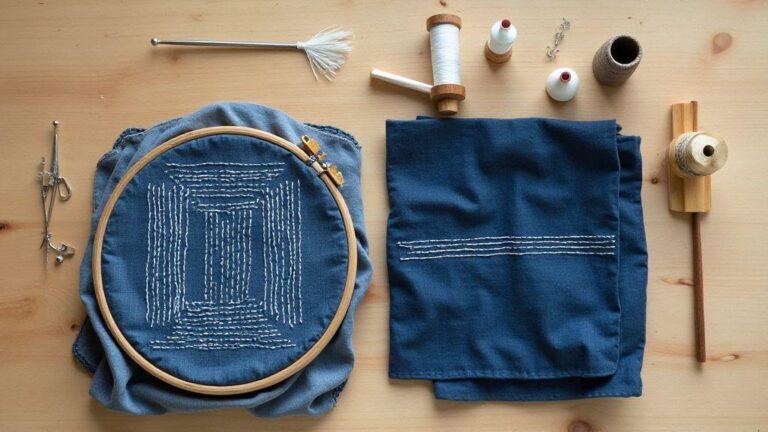
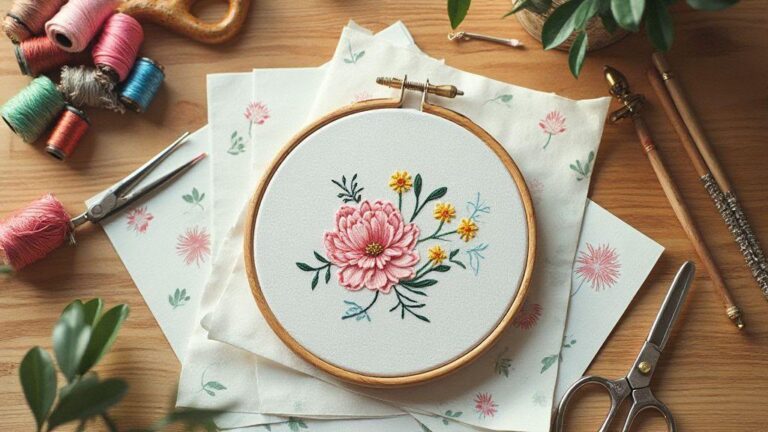
Tools should fit your hands and pace. A sharp needle helps you glide through fabric; a thimble protects your finger on long sessions. A fabric hoop keeps your work flat and steady, especially for intricate patterns. A good pair of scissors that cut cleanly and don’t fray threads is essential. As you grow, customize your toolkit with a magnifier, color chart, or leather needle case to make long sessions easier.
Choosing colors and textiles builds a bridge between your home and a broader tradition. Threads carry memory and voice, turning your hands into a conduit for Palestinian Tatreez: Cross Stitch as a Language of Resistance and Identity. Let your palette reflect feelings—bright for celebration, muted for reflection—so your piece speaks clearly.
Stitch guides
Stitch guides map out every move before you thread the needle. They offer step-by-step instructions for each cross-stitch variation and tips to keep stitches even and neat. Use guides to plan borders, fills, and shading. Small changes in stitch length or tension can alter the final image, giving you control over the design.
A good guide also helps you read your work from a distance and from the side. Step back to spot misalignments, count squares, and keep edges crisp. With a steady routine, stitch by stitch, you’ll grow into a crafts-person who carries forward the tradition with confidence.
Embroidery as resistance and identity
Embroidery is more than pretty stitching—it’s a bold statement you wear or carry. When you sew, you choose which stories to tell and who hears them. Embroidery becomes a shield and a voice. You feel the pull of thread and the needle’s rhythm as stitches map memory, heritage, and daily acts of resisting forgetting. Across communities worldwide, this work maintains the link between past and present, turning quiet craft into shared strength.
Colors and patterns carry meanings that outsiders might miss. Color choices, motifs, and even the fabric signal belonging, courage, or sorrow. You don’t need loud words when your embroidery speaks in symbols and textures. Your hands become a bridge from elders who taught you to younger makers who will learn from your pieces tomorrow. This is how you claim space—one deliberate stitch at a time.
As you practice, you’ll see how embroidery frames daily life as art with purpose. It keeps memory clear and identity visible. You stand with others who stitch for rights, culture, and community, linking your threads to a larger story and giving your craft real power.
Palestinian Tatreez: Cross Stitch as a Language of Resistance and Identity
Tatreez is more than a decorative technique. It is a way you speak without words, using stitches to carry history and hope. When you learn traditional cross-stitch patterns, you’re reading a map of your people’s memories. Each square and line encodes stories of migration, loss, and endurance. Your needle becomes a translator, turning pain into patterns others can recognize and honor.
Feel the weight and warmth of this practice when you stitch family patterns handed down to you. Cross-stitch patterns—with bold geometry and symbolic motifs—say, We are here, we persist. Your hands honor those who came before and invite future makers to keep telling the story. Palestinian Tatreez connects you to a lineage that survives through fabric and thread, even when other life feels fragile.
As you work, you’ll discover Tatreez as a living conversation. You stitch to protest, to celebrate, to record, and to teach. Your pieces become records of who you are and where you come from. The practice invites you to reflect on your culture and invites others to listen and learn.
Tatreez storytelling in protests
Joining a protest with a Tatreez piece makes embroidery a flag of identity. Stitching before or during a march shows quiet resolve in a personal way. Tatreez storytelling turns fabric into testimony—each motif a line of voice in a larger chorus. Embroidered panels travel through social media, galleries, and street corners, inviting onlookers to pause, read, and ask questions. You don’t just wear a symbol; you live it through steady stitches and careful handling of delicate threads. In protests, your work becomes a quiet classroom for anyone nearby, a chance to learn what resistance can look like when craft and courage meet.
The power is in organization and memory. Collections of pieces weave threads from many hands, creating a tapestry of shared journeys. Your Tatreez becomes part of a larger archive of resistance, written with every stitch.
Heritage preservation Tatreez and revival
Tatreez is more than stitches—it’s your story sewn into fabric. Preserving this art protects memories, languages, and communities. Revival starts by recognizing what makes Palestinian Tatreez special: family-passed cross-stitch patterns, bold color use, and motifs that speak of origin. Small steps—saving old patterns, recording tips, and teaching others—keep the craft alive for future generations. Preservation is practical: it keeps culture usable, wearable, and relevant.
Revival also means adapting Tatreez for today. Blend old and new: use modern fabrics or ready-made garments to host workshops, then show how traditional motifs brighten a tote or scarf. Your passion becomes energy for others—neighbors, cousins, students—who see heritage as something they can stitch into daily life. Document the journey with notes, photos, and short videos to pass on the story behind each pattern. Your effort becomes a bridge between past and future.
When you commit to heritage preservation, you’re not alone. Connect with groups that keep old patterns alive while inviting new voices. Elders mentor younger makers, and every stitch feels trusted and valued. The goal is to turn memory into craft you can wear, gift, and display proudly. Together, you turn a handcraft into a living, breathing tradition.
Museums, NGOs, and documentation
Museums, NGOs, and documentation are powerful partners for your Tatreez journey. Museums give your work public voice—curators annotate motifs, explain symbols, and place pieces in a broader story. This visibility helps people learn why Tatreez matters beyond a private hobby. Advocate for labels that honor dialects, family names, and regional techniques. Documentation turns private memory into a public record that teaches others.
NGOs support your projects with training, grants, and translation for elders who speak different languages. They can help map a plan: gather patterns, photograph garments, and build digital archives accessible to your community. Partnerships can fund exhibitions or workshops. Your role is to keep your voice loud in these collaborations, ensuring documentation reflects your experiences and priorities. Your stories become data that improve preservation work.
Engaging with museums and NGOs makes you part of a larger network. Propose traveling exhibitions or community loans that showcase local Tatreez variants. Request clear captions, demonstrations, and hands-on stations so visitors feel your craft. Your contributions help researchers and students understand Tatreez—from village to city, from grandmother to granddaughter. This is how your heirloom becomes shared heritage.
Workshops that train your community
Community training opens doors to spreading skill and pride. Organize friendly, hands-on sessions that teach basic stitches, color choices, and how to read traditional patterns. Keep sessions approachable—short, fun, and inclusive—to invite beginners. Create a safe space to ask questions, share mistakes, and celebrate small wins. Your workshop is where curiosity meets craft.
Tailor workshops to local needs: revive family motifs or create durable pieces for daily wear. Provide clear goals, step-by-step guides, and printable pattern cards. Invite elder makers to demonstrate, then let younger participants try their hands. This back-and-forth keeps the technique alive and evolving. Your workshop becomes a school of pride and skill.
- You’ll create ongoing programs that train new makers and mentor them to lead
- You’ll build a library of stitch patterns, color palettes, and garment templates
- You’ll set checkpoints to measure progress, like finished pieces or mini exhibitions
- You’ll invite local schools, markets, and cultural centers to join
- You’ll record outcomes so future programs learn what works best
Your programs aren’t just classes; they’re launching pads for lasting craft traditions. Tailor them to your community’s calendar and spaces to make joining easy. Your persistence turns a simple class into a movement.
Global markets, craft activism, and impact
Global markets show how folk and traditional embroidery travel from village looms to city boutiques and online shops. This reach sustains skills, tells stories, and connects you to every thread of culture. By buying pieces rooted in community effort, you support makers who keep old patterns alive while adding fresh ideas for today’s wardrobes. Direct sales, shared design spaces, and fair pricing help cooperatives grow. The impact: more hands at the loom, better tools, and a living tradition that stays vibrant through the seasons.
As markets expand, craft activism grows too. You’re part of a movement that treats embroidery as more than decoration—it’s a voice for history, identity, and mutual aid. Workshops train young artisans, promote gender equity, and protect ancestral techniques from cheap mass production. Your purchases push brands to invest in communities, share knowledge, and celebrate stories woven into every stitch.
The full circle comes when collaborations pair old patterns with modern design. You become a curator of culture, choosing pieces that honor origins while staying wearable today. Shopping with intention influences supply chains to be more humane, local, and expressive. The result is a thriving global market where traditional embroidery remains a living craft in daily life.
Women’s craft activism Palestine
You can feel the heartbeat of Palestinian craft activism in every stitch, especially in bold, intricate Tatreez. When women lead these projects, embroidery becomes resilience and community support. Cooperatives teach new stitches, share patterns, and fund local programs—keeping families connected and economies stronger. This activism is practical, preserving culture while creating fair opportunities for women to earn a living.
The stories behind the threads matter. Each motif carries memory—homes, mountains, daily life—that reminds you why this work matters beyond beauty. Mentors guide younger generations, teaching design and fair pricing. Purchases sustain these networks, letting women set hours, decide who learns what, and push toward leadership roles. It’s not just embroidery; it’s a plan for dignity and continuity of culture.
Fair trade, design, and income
Fair trade in embroidery shows how design and income meet. Expect transparent pricing, paid apprenticeships, and fair contracts that protect makers and buyers. This approach supports skilled hands, not just a brand name. Designers partner with artisans to adapt patterns for contemporary wear while preserving the craft’s soul. Buying fair trade pieces helps artisans improve tools, raise living standards, and keep families fed.
Fair trade fosters long-term relationships rather than one-off gigs. You get quality, unique items that last, and communities grow their craft into steady income. It’s a win for you and for the makers who deserve fair wages, safe workspaces, and recognition of their expertise. Your purchases become a vote for a more equitable fashion world, stitch by stitch.
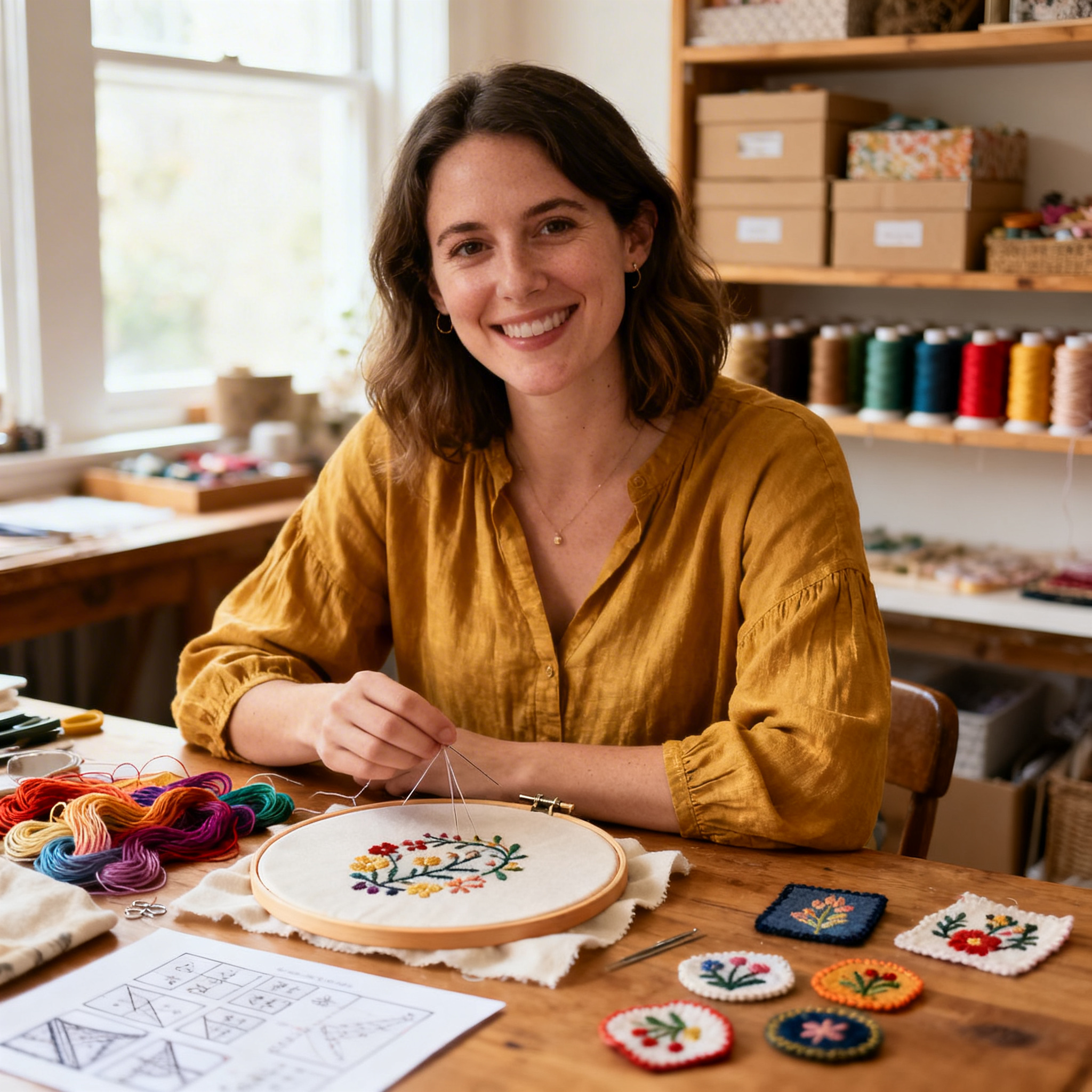
I’m Sophie Caldwell, the author behind granaboom.com, and I believe hand embroidery is one of the simplest, most relaxing ways to create something beautiful with your own hands. I started this blog to help beginners learn hand embroidery without feeling overwhelmed by complicated instructions or “perfect” results.
Here you’ll find beginner-friendly guides to decorative embroidery stitches, along with clear step-by-step practice ideas and patterns you can use to build confidence. My focus is on making the learning process easy: simple explanations, helpful stitch combinations, and small projects that look polished even when you’re just starting out.
Welcome to granaboom.com—grab your hoop, choose a few colors, and let’s stitch one line at a time.